Roy Lopez and the Tragic Tale of a Family Torn Apart
By DeShawn Price, PowerVault Staff In the dim light of early dawn, a somber procession unfolded in the parking lot of San Jose's Good Samaritan Hospital. A man exited his car, approached the hospital staff with a chil...
By DeShawn Price, PowerVault Staff
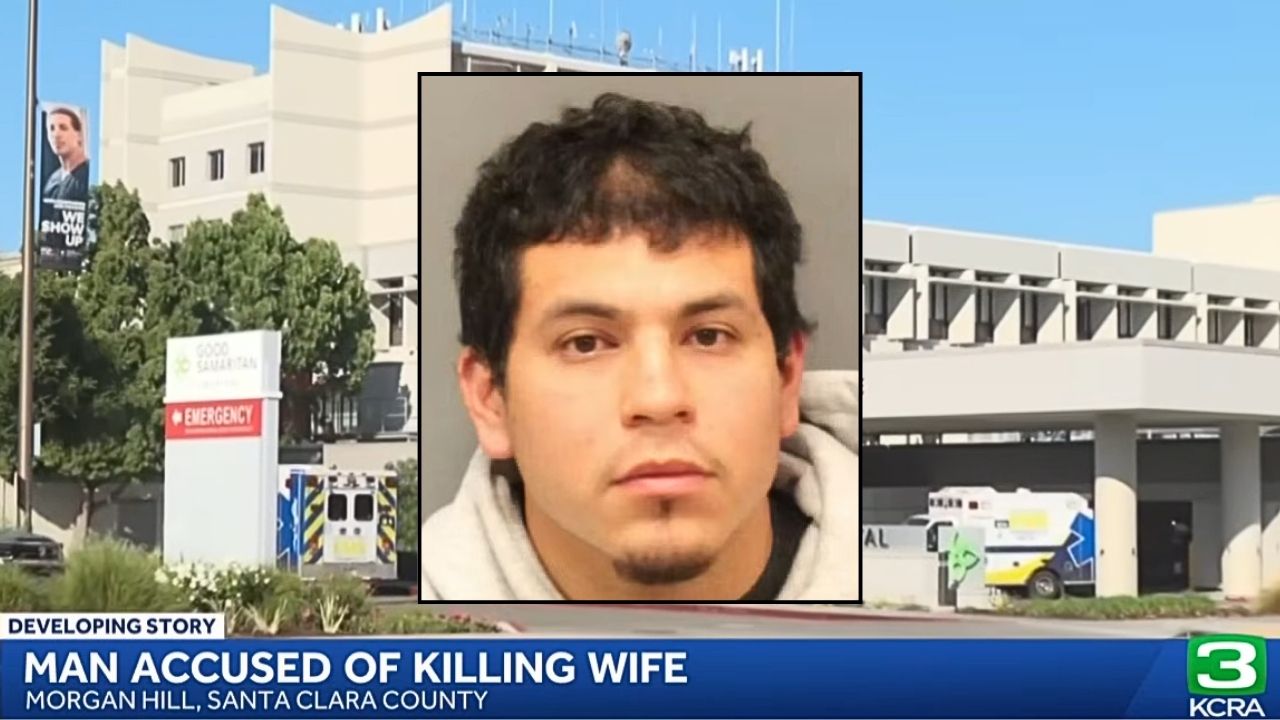
In the dim light of early dawn, a somber procession unfolded in the parking lot of San Jose's Good Samaritan Hospital. A man exited his car, approached the hospital staff with a chilling confession: 'She's dead in the car. I killed her.' The confession belonged to Roy Lopez, a 37-year-old man from Morgan Hill, California. Lopez had driven his deceased wife to this hospital parking lot, a place meant for healing, not for the grim reality he had brought. Behind him, he left a home and three children under a cloud of tragedy, an lasting mark of the violence that had erupted within the walls of what should have been a safe haven. His actions that morning would set in motion a series of events that would leave a permanent scar on the community.
The narrative that unfolded was as disturbing as it was tragic. According to local NBC affiliate KNTV, Lopez informed the hospital staff that he had killed his wife at their home in Morgan Hill. The moment he made this admission, an immediate response was triggered, compelling Morgan Hill Police to act swiftly. They arrived at the family residence, securing the couple's children who were reportedly present during the incident. These innocent bystanders of violence were found unharmed, a small mercy amidst the chaos. The children were swiftly placed into the safe custody of Santa Clara County's Department of Family and Children's Services, offering a temporary reprieve from the looming shadow of their mother's death. This intervention was a necessary step to protect them from further trauma, yet it could not erase the profound impact of the morning's events.
In the aftermath of Lopez's chilling declaration, police and medical staff attempted lifesaving measures on his wife, albeit in vain. She was pronounced dead at the scene, marking the end of a life subjected to violence behind closed doors. Roy Lopez was subsequently taken into custody without resistance, a subdued figure in stark contrast to the brutal act he confessed to. As investigators began piecing together the events of that fateful morning, they faced an array of unanswered questions. The police ruled out the use of a firearm, suggesting a more personal method of killing, yet they remain tight-lipped about the precise details. The motive behind the murder remains undisclosed, shrouding the case in mystery and leaving the public to wonder what drove Lopez to such a desperate act.
As authorities work to unravel the truth behind this incident, the focus shifts to the children left behind. The Morgan Hill Police Department confirmed that the children were safely escorted from their home following a protective sweep, ensuring their immediate safety. This tragic situation shows the critical need for immediate intervention in domestic situations, an issue often discussed but inadequately addressed in our communities. The prompt action taken by law enforcement highlights the importance of having protocols in place to protect vulnerable family members when domestic violence erupts. Yet, this case also serves as a stark reminder of the gaps that exist in identifying and preventing such violence before it occurs. The children, now in the custody of social services, face an uncertain future as they start the long journey of healing from the trauma inflicted by their father’s actions.
The backdrop of this family tragedy is a broader societal issue. Domestic violence affects millions, often in homes that outwardly appear stable and loving. This case is reminiscent of other high-profile incidents where domestic tension erupts into violence, often with tragic consequences. While the details of Lopez's motive remain under wraps, the case eerily echoes the statistics and stories of countless others, illustrating a repeating pattern that society has yet to effectively counteract. The prevalence of domestic violence indicates systemic failures in prevention and intervention, as victims frequently suffer in silence due to fear, shame, or lack of resources. This case serves as a poignant example of how domestic violence can escalate to the point of no return, emphasizing the urgent need for comprehensive solutions that address root causes and offer meaningful support to those at risk.
Historically, domestic violence has deep roots, woven into the very fabric of our societal structure. The O.J. Simpson trial in the '90s is a stark reminder of how domestic issues can escalate into national news, shifting public perception and dialogue. This high-profile case brought domestic violence into the public eye, sparking debates that continue to this day. Even today, organizations strive to support victims and prevent such tragedies, yet these efforts often fall short in preventing the initial flashpoint of violence. The Lopez case is another unfortunate reminder of this systemic issue, highlighting the need for a societal shift in how we address domestic violence. Despite decades of advocacy and policy changes, the persistence of domestic violence calls for renewed commitment to understanding its complexities and implementing effective prevention strategies that go beyond reactionary measures.
Yet, this is more than about one man or one family. It's about a system that fails to protect its most vulnerable until it's too late.
This case starkly highlights the intersection of domestic violence and mental health crises that too often go unnoticed until it's too late.
There's a troubling intersection at play here, one that involves domestic violence and mental health. Why did no one see the signs? Could intervention have changed this outcome? The answers to these questions may remain elusive, but the case shows the need for a more robust system that identifies and supports at-risk families before violence occurs. Mental health issues often exacerbate domestic situations, yet stigma and a lack of resources prevent many from seeking help. This case highlights the importance of having accessible mental health services and community support systems to identify warning signs and provide assistance before situations escalate. A comprehensive approach that integrates mental health care with domestic violence prevention could create pathways for intervention, offering support to those struggling and potentially averting tragedies like the one involving the Lopez family.
Society's apathy towards domestic violence cases is alarming. Each ignored incident whispers the possibility of escalation. It's not just about punishing the perpetrator after the fact, but about creating a support system that disrupts the cycle of violence from its inception. The justice system, although reactive, must also become proactive. The lack of preemptive measures leaves families vulnerable, as seen in this tragic case. There is a need for systemic change that prioritizes early intervention and prevention, addressing the root causes of domestic violence and providing support to those at risk. By fostering a culture of awareness and empathy, communities can play a critical role in identifying and responding to signs of domestic strain, offering a lifeline to those in need and preventing violence from spiraling out of control.
For the broader community, this is a wake-up call. We must examine how we perceive and respond to signs of domestic strain. Are we turning a blind eye due to discomfort or disbelief? Understanding and addressing these issues at the community level can prevent future tragedies and provide much-needed support to those silently suffering. Community engagement and education are key components in shifting the narrative around domestic violence, empowering individuals to speak up and seek help. By fostering an environment where victims feel supported and understood, we can break the silence that often surrounds domestic abuse. It's imperative that we challenge societal norms that perpetuate violence and work towards creating a culture of respect and safety, ensuring that families can thrive without fear of violence or retribution.
The racial and economic undertones of this case cannot be ignored. Minorities often face additional hurdles within the justice system, from lack of resources to inadequate representation. This systemic inequity has far-reaching effects, often exacerbating the situations of those already marginalized. In domestic violence cases, these disparities can limit access to crucial support services, leaving victims isolated and vulnerable. The intersectionality of race, class, and domestic violence highlights the need for a justice system that is equitable and inclusive, addressing the unique challenges faced by marginalized communities. By acknowledging and addressing these disparities, we can work towards a more just and supportive environment for all individuals, ensuring that everyone has access to the resources and protection they need to escape violence and rebuild their lives.
Looking forward, the justice system must reckon with its shortcomings in handling domestic violence cases. As the case against Roy Lopez proceeds, it will be a litmus test for how the system deals with such personal, yet pervasive issues. Will it lead to meaningful change, or be another chapter in the long history of unaddressed domestic violence? Nobody knows yet, but the need for action is undeniable. This case presents an opportunity for the judicial system to demonstrate its commitment to protecting victims and holding perpetrators accountable. By implementing comprehensive policies and practices that prioritize victim safety and offender accountability, the justice system can serve as a catalyst for change, addressing the root causes of domestic violence and fostering a society where individuals are free from fear and harm.