Samia Yusuf Omar's Olympic Dream Ends in Tragedy: The Untold Journey
By Malik Carter, PowerVault Staff The Mediterranean Sea, vast and unforgiving, claimed another dreamer on its waters. This time, it was the spirit of Samia Yusuf Omar, a young Somali runner whose fleeting Olympic drea...
By Malik Carter, PowerVault Staff
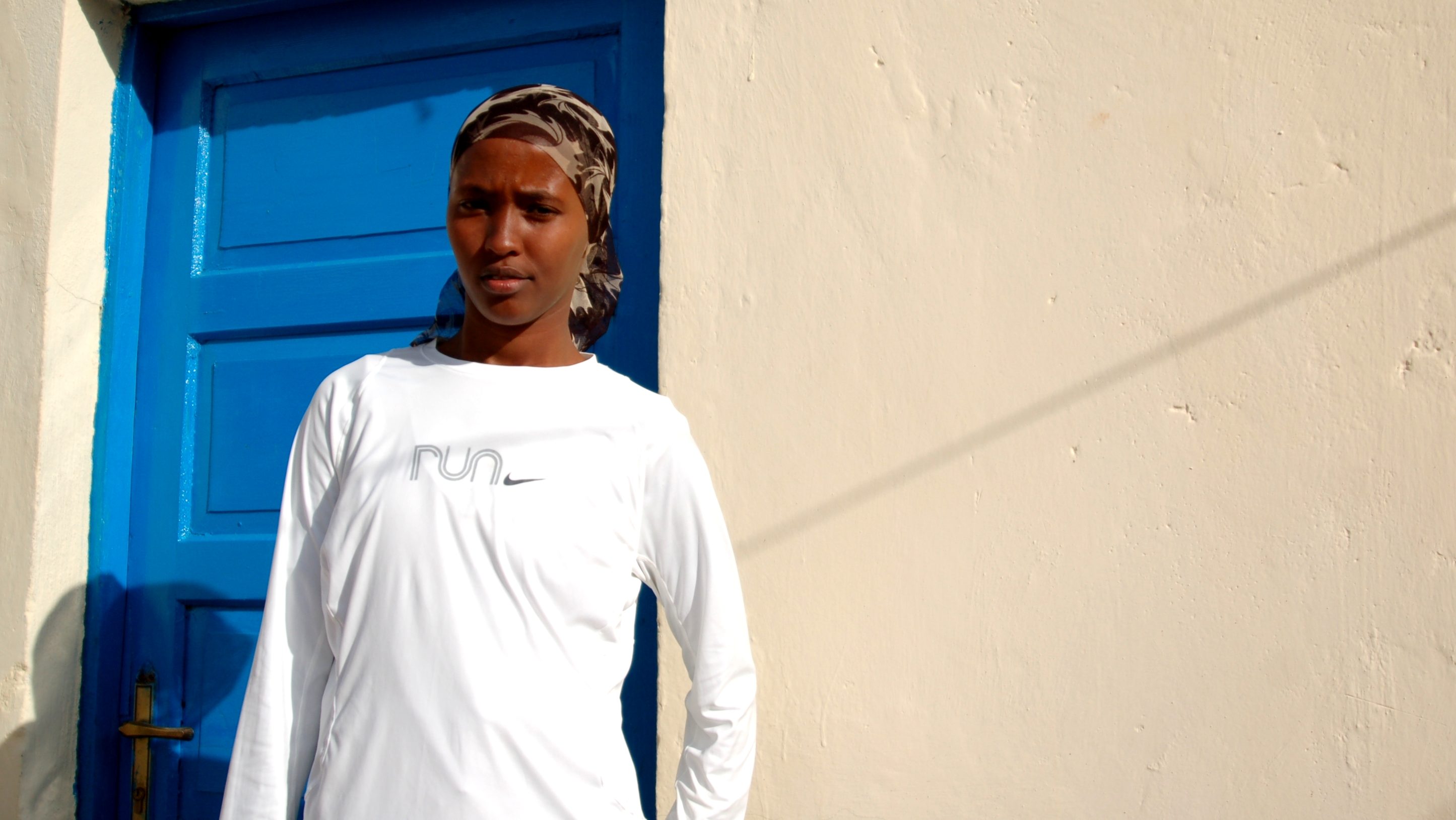
The Mediterranean Sea, vast and unforgiving, claimed another dreamer on its waters. This time, it was the spirit of Samia Yusuf Omar, a young Somali runner whose fleeting Olympic dreams ended in tragedy. The world remembers her as the last-place finisher in the 200-meter heat at the 2008 Beijing Olympics, but her story is far more than that solitary race. Samia's journey, detailed in ESPN's new 30 for 30 podcast, The Fastest Girl in Somalia, exposes a path marked by resilience and peril, highlighting the extraordinary lengths she went to in pursuit of athletic excellence.
At just 17, Samia was thrust onto a global stage, representing a nation marred by conflict and devastation. Her Olympic moment, modest as it was, stood as a beacon of hope against a backdrop of chaos. Yet, what followed this moment was a journey fraught with danger, determination, and ultimately, despair. She was driven by the singular vision of improving her performance for the 2012 London Olympics, a pursuit that took her far beyond the borders of her war-torn country.
Samia's story is not just about athletic ambition. It’s about the intersection of dreams and harsh realities that many African athletes face. With limited resources and support systems, pursuing a career in sports often means risking everything. For Samia, the quest for better training facilities and coaching led her across the perilous routes of northeast Africa. It's a narrative that resonates deeply within the broader context of global migration and the desperate measures taken by those seeking better opportunities.
But what drove Samia to leave everything behind and embark on this dangerous journey? The answer lies in the systemic issues at play, both in her native Somalia and in the global sports arena. Somalia, plagued by civil unrest, offers scant infrastructure for athletes. For Samia, leaving was not just a choice but a necessity. Her story mirrors that of countless others whose talent is overshadowed by the socio-political landscapes they inhabit.
The clip detailing Samia's race and her iconic moment at the Beijing Olympics can be found below, capturing the intersection of hope and hardship.
Samia’s journey is a reflection of the broader struggles faced by athletes from marginalized communities. The sports industry, particularly in the Global North, often fails to acknowledge or support the unique challenges faced by athletes of color from impoverished backgrounds. While endorsements and sponsorships flow abundantly in affluent countries, athletes like Samia are left to handle a perilous scene, often without the safety nets that their counterparts enjoy.
This systemic disparity begs the question: How many potential stars are lost to circumstances beyond their control? The answer shows the urgent need for an overhaul in how talents from less privileged regions are nurtured and supported. The sports world must reckon with its role in the perpetuation of these inequities and the loss of promising athletes like Samia should serve as a wake-up call.
Yet, Samia's story is one of inspiration, even in its tragedy. It highlights an indomitable spirit, a young woman refusing to be confined by the circumstances of her birth or the limitations imposed by her environment. Her narrative is a powerful reminder of the resilience of the human spirit, particularly within the African diaspora, where stories of perseverance in the face of adversity are all too familiar.
Samia's legacy challenges us to reimagine what support for young athletes should look like on a global scale.
As the podcast unfolds, it also raises critical questions about the responsibilities of global sports organizations in supporting athletes from disadvantaged backgrounds. Are the IOC and other international bodies doing enough? The answer, if Samia's story is any indication, is a resounding no. The need for programs that not only identify but nurture talent in underdeveloped regions is more pressing than ever.
Moreover, Samia's journey speaks to the broader issue of migration, a topic that continues to dominate headlines worldwide. Her decision to board a boat bound for Europe, a decision that cost her life, is one faced by thousands of others seeking better futures. This parallel between athletic ambition and migration highlights the interconnectedness of these global challenges.
She addressed her determination to reach the top of her sport in a poignant video discussing her aspirations and struggles. This video provides a haunting glimpse into her relentless pursuit of excellence.
The legacy of Samia Yusuf Omar is thus twofold: a stark reminder of the systemic barriers faced by athletes from marginalized communities and a shining example of resilience. For the sports industry, her story is a call to action, a demand for inclusivity and support for all aspirants, irrespective of their origins.
As we reflect on Samia's life and the tragic end of her journey, it becomes imperative for us to advocate for change. The industry must pivot towards creating pathways for athletes from all walks of life, ensuring that their talents and dreams are not curtailed by circumstance. Samia's story, though marked by loss, inspires a commitment to equity and opportunity, urging us to imagine a future where no athlete is left behind.