Skylar Diggins Returns: Why College Coaches Hold Power
By Marcus Ellison, PowerVault Staff Skylar Diggins has returned to Notre Dame as a special advisor, highlighting why college basketball remains a destination for Black women leaders. The seven-time WNBA All-Star will...
Advertisement

By Marcus Ellison, PowerVault Staff
Skylar Diggins has returned to Notre Dame as a special advisor, highlighting why college basketball remains a destination for Black women leaders. The seven-time WNBA All-Star will work alongside head coach Niele Ivey at the school where her basketball name became national currency. Calling it a homecoming captures the affection but misses the business. Notre Dame gains access to a veteran who understands elite players, professional expectations and the distance between campus promises and actual support. For recruits weighing their futures, that perspective can carry more weight than another polished campus tour. Diggins brings knowledge that athletic departments cannot manufacture with a recruiting slogan. The question is how much authority comes with the welcome.
Notre Dame announced Diggins’ role in an October 26 announcement. She belongs to a wider group of accomplished Black women taking their experience back to college programs. The Sporting Tribune reported that UCLA hired Noelle Quinn as an assistant after her tenure leading the Seattle Storm. Quinn won WNBA championships as a player and an assistant coach before becoming Seattle’s head coach. Those credentials matter beyond the introductory press conference. UCLA is adding someone who has managed professionals, studied opponents and handled decisions that recruiting rankings cannot prepare a coach to make. Returning to her alma mater also gives Quinn an institutional history she can draw on when explaining the program to families. That experience deserves more than applause.
Nykesha Sales adds another version of the same story at UConn, where the eight-time WNBA All-Star has joined Geno Auriemma’s staff. Her return gives the Huskies a direct connection between their history and the professional game recruits hope to enter. Still, these appointments should not be flattened into one category. Sales and Quinn hold assistant coaching positions. Diggins holds an advisory role. Different titles can mean different recruiting duties, daily responsibilities and decision rights. A famous name might open a recruit’s door without giving its owner the final say inside the program. None automatically guarantees a path to the head chair. Fans should read the job description as closely as the résumé. Keep that distinction in mind while watching the accompanying video.
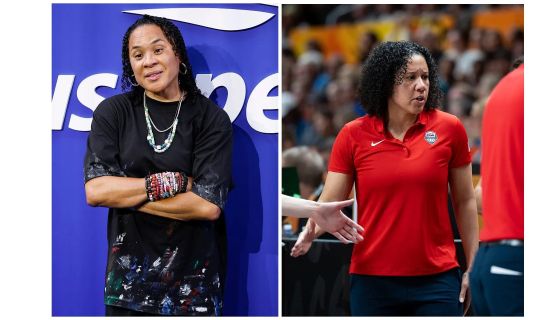
Dawn Staley offers the clearest example of what happens when basketball expertise becomes lasting institutional power. She took over South Carolina in 2008 and built a program that won national championships in 2017, 2022 and 2024. NewsOne’s reporting places her annual compensation at $4.25 million, a figure that explains why the college bench cannot be treated as a professional consolation prize. That reporting puts the highest WNBA coaching salaries around $1 million to $1.2 million annually, a substantial financial separation. Her position reflects years of winning and building an identity recruits recognize. The salary is one measure. The ability to demand resources, shape expectations and remain central to the university’s ambitions is another. A check matters more when authority travels with it.
Kara Lawson’s leadership at Duke supplies another example of a former WNBA player running a major college program. A WNBA champion and former All-Star, Lawson brought professional credentials after a collegiate career at Tennessee. But comparing her position with an assistant’s job requires care. College basketball contains enormous differences in budgets, contract protection and influence. The supplied reporting does not establish the compensation or contract guarantees attached to these new appointments. Staley’s salary cannot stand in for everybody else’s paycheck, either. An honest comparison would examine base pay, incentives, staffing budgets, termination terms and who controls hiring. Without those details, a homecoming tells readers where a coach went, not everything she gained. Those are the stakes to carry into the next video.
History makes this movement more complicated than a simple verdict against the WNBA. Cynthia Cooper led Houston to four consecutive championships from 1997 through 2000, helping establish the league’s credibility. Black women supplied foundational excellence long before today’s college hiring announcements. Their transition into leadership has never followed automatically from their playing stature. Carolyn Peck coached Purdue to the 1999 NCAA championship before leading the WNBA’s Orlando Miracle. Staley coached Temple before taking over South Carolina. These careers crossed the supposed border between college and professional authority. There was never one proper destination for a brilliant basketball mind. NewsOne’s reporting identifies a troubling pattern: with rare exceptions, Black women’s WNBA coaching tenures have not extended beyond three to five seasons. The enduring issue is whether institutions give Black women enough time and backing to turn an appointment into an actual lasting foundation.
The real promotion is not a new title, but the power to make decisions that last.
A university should not get a discount on Black expertise because the work feels like coming home.
For Diggins, Quinn and Sales, returning to familiar campuses can be a smart exercise of choice. Alumni relationships offer trust that an unfamiliar organization may take years to build. A college role can also create room to teach, develop a coaching identity or influence players before they reach the professional draft. For a former player, choosing that environment can reflect ambition on her own terms rather than somebody else’s preferred career ladder. None of those choices needs to be defended as settling. Black women do not owe the WNBA exclusive access to their intelligence. They also should not have to accept less because a school knows their heart is attached to the place. A university should not get a discount on Black expertise because the work feels like coming home.
For the industry, the uncomfortable question concerns how organizations price knowledge they have long expected Black women to provide. A celebrated former player can attract recruits, reassure parents and give a program instant credibility. That is measurable business value, even when schools package it as family. Universities understand that access to elite talent helps sustain a program; the women creating that access should share in its rewards. PVN’s examination of what Gui Santos’ contract rewards points toward a useful habit: ask which contributions an organization pays to keep. Apply that same scrutiny here. Does a coach receive a stronger contract after recruiting a successful class? Can she hire trusted staff? Is the institution investing in her judgment, or merely borrowing her reputation? The welcome photograph cannot answer those questions.
For Black families watching these programs recruit their daughters, representation should be the beginning of the evaluation. A familiar face can make a campus feel safer, but families deserve evidence behind that feeling. Who responds when a player reports mistreatment? What happens when injury interrupts her usefulness to the team? Does academic support survive a losing season? Staley’s emphasis on supporting players as Black women establishes an expectation that reaches beyond developing their value on the court. Black women coaches can understand pressures that others overlook without possessing the budget or authority to fix every problem. Expecting them to serve as coach, counselor and institutional shield creates another unpaid assignment. Support should mean asking universities to fund the care they advertise, not assuming one trusted Black woman can supply it all.
Race also shapes which kinds of leadership audiences learn to recognize. Black women who demand resources can face scrutiny over their manner before anyone addresses their request. That makes institutional backing essential when the pleasant introduction gives way to a disagreement about money or discipline. PVN’s discussion of Jimmy Butler and coaching authority offers a useful contrast in how playing stature enters conversations about leadership. Recognition, however, must become responsibility and protection. An athletic director cannot celebrate a woman's competitive fire during recruiting, then treat that same conviction as insubordination behind closed doors. Former stars should not need to remain endlessly agreeable to prove they belong on a bench. A school demonstrates respect when it supports a coach’s difficult decision, not simply when her presence helps sell the program.
Advertisement
The next test comes after the announcements stop circulating. Watch whether Diggins’ advisory position develops meaningful influence, whether Quinn and Sales receive room to grow, and whether other programs build credible routes into leadership. Watch the WNBA, too, without pretending college basketball has solved inequity. Neither side deserves credit merely for hiring a recognizable Black woman. Contract terms, staff investment and patience during difficult seasons will reveal more than reunion language. These women have already established that they understand basketball. The institutions employing them still have something to prove: whether they want Black women’s expertise enough to share the power.
More from PowerVault Network: