
Snoop Dogg Biopic Cast: Who Gets His Story Right?
By Marcus Ellison, PowerVault Staff Snoop Dogg’s biopic Snoop hits theaters Aug. 6, 2027, with Jonathan Daviss leading a cast that includes Lauren London and Cynthia Erivo. The R rated Universal Pictures release has a...
Advertisement

By Marcus Ellison, PowerVault Staff
Snoop Dogg’s biopic Snoop hits theaters Aug. 6, 2027, with Jonathan Daviss leading a cast that includes Lauren London and Cynthia Erivo. The R rated Universal Pictures release has actors assigned to Dr. Dre, Tupac Shakur, The Notorious B.I.G. And Master P. That roster reaches across friendships, family ties and business relationships that helped shape Snoop’s career. It pairs newer screen talent with established performers, making chemistry as important as any individual resemblance. The casting announcement gives fans names to debate before a trailer arrives. It also sets a serious test for the filmmakers: can they explain how the Long Beach rapper became an institution without turning everyone around him into background decoration?
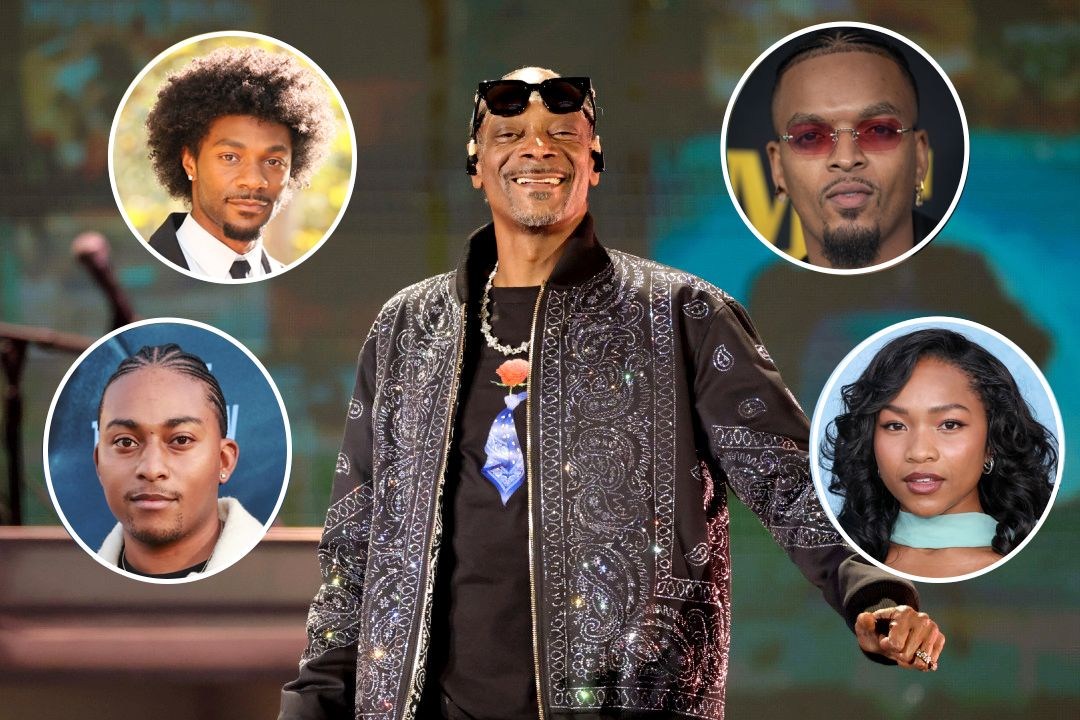
According to XXL’s cast report, Outer Banks actor Daviss will play Snoop, Camron Jones of Panic will portray Tupac, and BMF actor Myles Bullock will play Dre. Zachariah Rogers, whose credits include P Valley, takes on The D.O.C. Rapper SwayvoTwain, the son of D’Angelo and Angie Stone, will portray Biggie. Those roles carry different responsibilities, not interchangeable levels of rap celebrity. Dre’s production partnership with Snoop needs a different treatment from Tupac’s place in Death Row history. The D.O.C.’s writing contributions deserve attention beyond a recognizable name. A studio scene should reveal who shaped the music, not just who happened to be present. Casting these figures suggests ambition, though it does not establish how much screen time each receives.
Snoop has already explained why Daviss got the lead. During a June 2025 interview with Entertainment Tonight, he said, "Jonathan is the whole thing." His fuller assessment focused on more than appearance: "He's a dynamic actor. He's a great spirit and he's a learner. He's able to take things and make it better." That emphasis makes sense for a role built around an instantly recognizable voice and physical presence. An impression might win a reaction online. Carrying a feature requires showing the person making decisions underneath those familiar mannerisms. The younger Snoop cannot simply arrive with the ease and confidence of the celebrity audiences know today. For now, Snoop’s endorsement is an endorsement, not a performance review. The accompanying video appears below.
Lauren London will play Snoop’s late mother, Beverly Tate, while The Equalizer actress Laya DeLeon Hayes portrays his wife, Shante Broadus. Cynthia Erivo is cast as Tupac’s late mother, Afeni Shakur. These parts could give the film its emotional weight, provided the screenplay gives the women lives beyond reacting to famous men. Motherhood, marriage and family obligations shaped the world around the records. They should not become quick stops between studio scenes. Hayes also has to make a lasting partnership feel lived in, rather than reduced to milestones and arguments. Erivo’s presence also brings an expectation of substance to Afeni’s portrayal. Nothing in the casting report establishes how extensively the film will explore her activism or her relationship with her son.
Hercy Miller will portray his father, Master P, putting an actual family connection inside this version of Snoop’s career. PVN’s coverage of Hercy Miller’s casting as Master P offers a closer look at that choice. Behind the camera, Craig Brewer, who directed Hustle & Flow, will direct Snoop. Brian Grazer, whose producing credits include 8 Mile, is producing for Universal. Both bring experience with films where rap ambition has to translate into characters audiences can follow. The project is also the first film under Death Row Pictures’ overall deal with NBCUniversal Entertainment. That gives the announcement a business angle beyond who wears which chain. A rap brand is entering studio filmmaking through an ongoing corporate relationship. Another accompanying video follows below.
The history explains why these casting choices matter. Snoop reached a national audience through Dre’s The Chronic in 1992, then released Doggystyle through Death Row in 1993. By 1998, he was releasing Da Game Is to Be Sold, Not to Be Told through Master P’s No Limit. Those were different business environments, not simply different logos on album packaging. Changing labels can mean handling new release schedules, collaborators and expectations while convincing listeners the music still belongs to you. Snoop acquired the Death Row brand in 2022, creating a striking return to the company associated with his breakthrough. That purchase should not be casually translated into ownership of every recording ever released by the label. Brand ownership, master rights and publishing rights are separate matters. A film spanning these chapters needs to make those distinctions understandable without stopping for a lecture.
The biggest test is whether Snoop’s own production banner leaves room for uncomfortable truths.
Owning the production banner does not automatically mean owning every piece of the story.
For Snoop, the opportunity is to recover the human scale of a career now recognized across generations. His public image has become so familiar that younger viewers may know the personality before they know the albums. Daviss needs material that makes choices feel uncertain when they happen, even though audiences know Snoop survives and succeeds. A polished sequence of famous encounters would waste that opportunity. Even a quiet conversation about the next record could reveal more about his priorities than another recreation of a public appearance. The harder version would show what loyalty costs when a friendship and a business relationship stop pointing in the same direction. That does not require manufacturing conflict or assuming private events. It requires resisting the urge to make the lead character correct in every room he enters.
For the business, the Death Row Pictures deal invites scrutiny of what creative ownership actually means. Owning the production banner does not automatically mean owning every piece of the story. An overall deal establishes a business relationship; the announcement alone does not reveal final cut, profit participation or approval rights. Those details determine whether having a seat at the table includes the power to reject somebody else’s notes. Music clearance adds another layer. A film generally needs permission covering both a recording and its underlying composition when it uses an existing track. Those rights can involve different owners. Fans should not mistake access to famous songs for proof of artistic freedom. Universal’s involvement brings studio resources. Whether the finished movie uses those resources to confront difficult history remains an open question.
For the audience, recognition cannot be the whole meal. A convincing Tupac look or a familiar Dre posture might carry a short clip, but viewers deserve to understand what each person contributed. That includes writers, producers and regional networks that celebrity biographies often squeeze out. PVN’s examination of who gets credit for Bay Area hip hop’s influence connects to the same problem: history gets smaller when only its most marketable faces remain visible. Long Beach deserves more than establishing shots and a location caption. The film should make a place and its relationships legible. That means showing how local recognition works before national fame arrives, when a neighborhood response can matter more than a label meeting. Younger fans should leave knowing more than which actor played which legend.
Hollywood’s treatment of Black music also deserves attention here. The industry can sell Black rebellion as entertainment while giving less attention to the contracts and institutions surrounding it. An R rating does not, by itself, promise an honest account of power. A film can contain harsh language and still avoid every difficult business question. Showing an artist getting paid means little if the story never asks what obligations came attached to that money. Snoop’s involvement creates an opportunity for a Black artist to help shape his own screen history. It does not settle who holds decision making authority throughout production and distribution. The useful questions are concrete: whose work receives credit, whose perspective gets space, and who benefits financially? Neither the cast announcement nor the studio partnership answers all of them.
Advertisement
The next useful evidence will come from footage, a clearer account of the film’s scope and eventually the performances themselves. Fans should watch whether the marketing sells only impersonations or introduces relationships with actual tension and depth. Daviss has Snoop’s public support, and the supporting cast gives the project plenty to work with before its scheduled Aug. 6, 2027 release. None of that guarantees a strong movie. The standard should be higher than getting the voice, clothes and album covers right. Snoop helped make rap history. His movie needs to trust audiences enough to show how that history was made.
More from PowerVault Network:
