SZA and Madonna Named in Coachella 2027 Lineup Reveal
By Renee Fontaine, PowerVault Staff SZA and Madonna appear in a Coachella 2027 lineup report, but the supplied announcement leaves major booking details unverified. That distinction matters before anybody starts prici...
Advertisement

By Renee Fontaine, PowerVault Staff
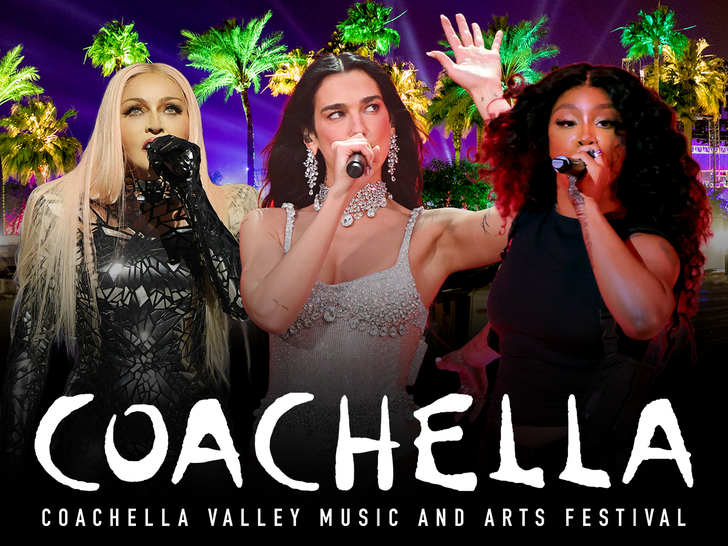
SZA and Madonna appear in a Coachella 2027 lineup report, but the supplied announcement leaves major booking details unverified. That distinction matters before anybody starts pricing flights to California. The pairing would bring together two artists whose audiences cross generations, genres, and very different ideas about pop stardom. It also offers an easy publicity hook: a reigning force in contemporary R&B beside an artist who helped define the modern pop spectacle. A headline that strong can travel much faster than the information fans need to decide whether to spend money. The names deserve attention. The missing details deserve scrutiny, especially when fans could turn a headline into an expensive travel decision.
PowerVault Network’s initial SZA and Madonna lineup item identifies both performers in its headline and summary. The material supplied for this article does not include an official poster, artist statements, performance dates, billing positions, or an organizer quotation. It also does not identify an outside reporting outlet. Those limits prevent a responsible leap from names in a report to confirmed headliners. Repeating the same headline across accounts would not fill those gaps, no matter how many reposts it collects. Readers should check Coachella’s official website and the artists’ official channels before making purchases. That is not raining on anybody’s festival outfit. That is keeping the group chat from becoming an unpaid sales team for information it cannot yet verify.
SZA’s commercial case does not need a festival poster to make it convincing. Released in December 2022, SOS reached No. 1 on the Billboard 200 and spent 10 nonconsecutive weeks there. Readers can trace that run through Billboard’s SZA chart history. “Kill Bill” later became her first Billboard Hot 100 No. 1 in 2023. Those achievements matter because festival prestige often gets treated like permission for an artist to be considered major. SZA arrived at that status through records people lived with, streamed repeatedly, and carried into their own relationships. Those listeners are part of her drawing power, not background characters waiting for a festival to validate their taste. A prominent Coachella booking would recognize an existing audience, not create one.
Madonna also has actual Coachella history, not merely a recognizable name that looks expensive on a poster. She performed in the Sahara tent in 2006 during her Confessions on a Dance Floor era. That appearance provides useful context for any proposed return: the festival has already placed her pop catalog inside its dance music setting. Still, a previous performance cannot establish a future booking. Nor does the supplied report establish that she and SZA would share a stage, perform together, or receive equal billing. A lineup can place two names near each other without creating a collaboration. Fans deserve that distinction before somebody starts promising the duet of the decade.
Billing deserves its own attention because “included” and “headlining” are not interchangeable terms. Festival posters communicate status through placement and type size, but those choices do not disclose a performer’s contract. The material here gives no basis for describing either woman’s fee, set length, production budget, or exclusivity terms. There is also no support for connecting this report to an album rollout, a sponsorship agreement, or a surprise guest plan. Publicists benefit when audiences supply those exciting details themselves. Good entertainment coverage resists that invitation. An intriguing theory is still a theory, even when it sounds like excellent marketing. The useful question is what has actually been announced, followed by what remains unknown, rather than which imaginary backstage arrangement sounds most believable.
Beyoncé’s 2018 Coachella performances show how much can sit beneath a festival booking. As the event’s first Black woman headliner, she centered Black college traditions, marching band arrangements, stepping, and a reunion with Destiny’s Child. Her 2019 film Homecoming extended that work beyond the ticketed crowd. The lesson was not simply that a Black superstar could command a huge stage. Black creative traditions could provide the entire framework without being translated into something supposedly more universal. That is not a demand for SZA to recreate Beyoncé’s blueprint. It is a reminder that artistic control can matter as much as prominent placement. PVN’s discussion of who gets to tell OutKast’s story touches a related issue: recognition matters, but authorship matters too. Any discussion of SZA’s potential place at Coachella should remember that distinction rather than treating attendance as the achievement.
The real test is whether the platform serves the artist, not the other way around.
Black fans should not have to buy proximity to wealth to celebrate music they helped make powerful.
For SZA, the strongest possible festival statement would protect what makes her work connect in the first place. Her songs can be funny, insecure, possessive, tender, and contradictory within the same verse. That emotional range does not need to become cleaner or more respectable to belong before a huge audience. Black women artists too often face a false choice between intimacy and scale, as though bigger stages require less complicated personalities. A successful booking would give her the production support to expand those songs without sanding down their edges. Room for a quiet vocal moment could matter just as much as whatever looks spectacular through somebody’s phone camera. The goal should be a performance built around her artistic language, not a generic victory lap designed mainly for sponsor footage.
For the industry, the interesting possibility is how two women from different career generations might be presented without turning them into competitors. Pop marketing loves a succession contest. Somebody must inherit a throne, surrender one, or defend it against a younger woman with better streaming numbers. That framing is tired, and it makes audiences do promotional labor for a conflict nobody has established. It also flattens different musical histories into a scoreboard that tells us very little about what either artist might actually perform. Madonna’s history and SZA’s current reach can hold value at the same time. If both bookings are confirmed, coverage should examine their individual creative choices rather than manufacture a rivalry. Two women appearing on one festival bill do not owe anybody a contest for cultural permission.
For fans, a festival appearance should remain an option, not a loyalty exam. Nobody becomes less devoted to SZA because a desert weekend costs more than their budget allows. Travel, lodging, food, local transportation, and time away from work can matter as much as admission. Social media often hides that math behind matching outfits and carefully framed wristband photos. A gorgeous recap does not tell you whether somebody saved for months or put the whole trip on credit. PVN’s look at Common’s orchestra performance in Miami offers another way to think about live music: the format should deepen the encounter with the artist. Bigger is not automatically more meaningful. Fans deserve room to choose the concert experience that fits their lives without being treated like they missed a citizenship requirement.
Black fans should not have to buy proximity to wealth to celebrate music they helped make powerful. That is the class tension sitting beneath glossy festival coverage. Black musical forms help generate the excitement, but admission and travel costs can narrow who gets to experience the resulting spectacle. A festival cannot solve that entire imbalance through one booking. Still, organizers can be judged on practical choices: clear pricing, usable accessibility information, reliable transportation details, and honest communication about what a ticket includes. Those details belong where prospective buyers can find them before checkout, not buried beneath the fantasy being advertised. Media companies have responsibilities here too. Publishing luxury access as the default version of fandom turns celebration into pressure, especially for younger readers already balancing rent, school, and unpredictable work schedules.
Advertisement
Next comes the evidence: an organizer announcement, confirmation from the artists, and clear information about dates, billing, and ticket terms. Until those pieces are available, the responsible description is a reported pairing with major details still unverified in the supplied material. If confirmed, watch how each woman’s performance is framed and whether fans receive useful information alongside the promotional excitement. There is plenty to celebrate in the possibility of SZA commanding another major stage. There is no need to manufacture certainty to give her flowers. The best seat in this conversation belongs to the fan who knows exactly what is being sold.
More from PowerVault Network: