What Happened at the Frisco Track Meet? Inside the Karmelo Anthony Murder Trial
By Tanya Brooks, PowerVault Staff On a warm afternoon in May 2025, what should have been a routine track meet in Frisco, Texas, spiraled into chaos. Spectators gathered to cheer on student athletes, but instead, they...
Advertisement

By Tanya Brooks, PowerVault Staff
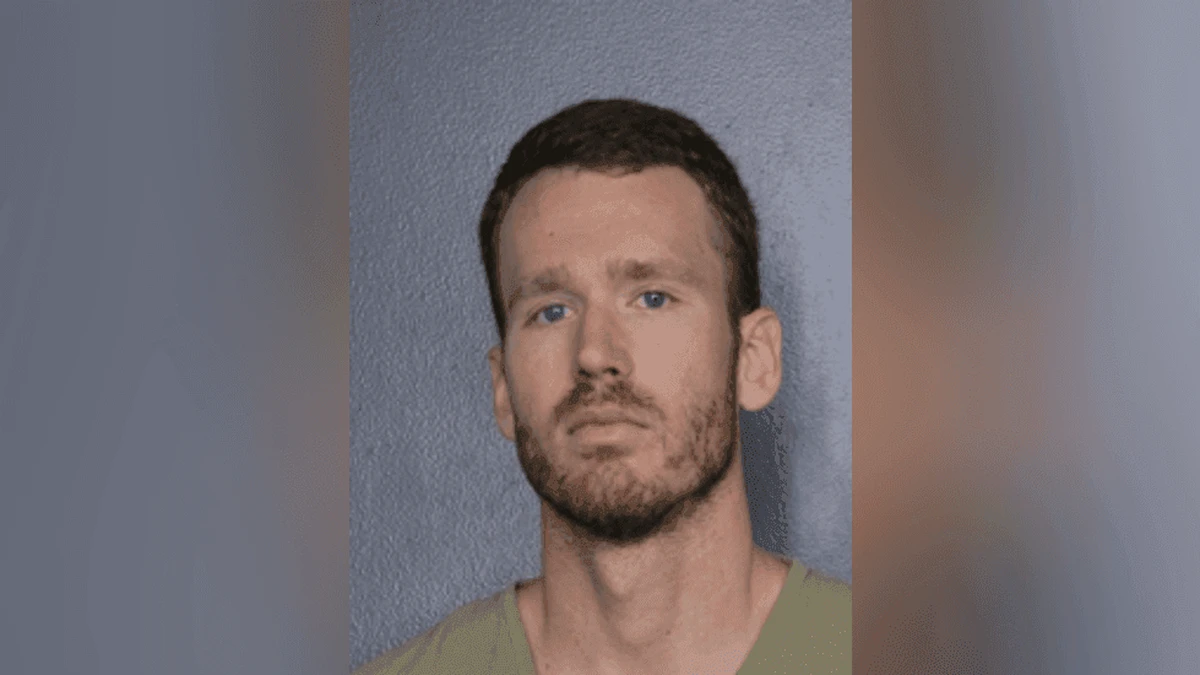
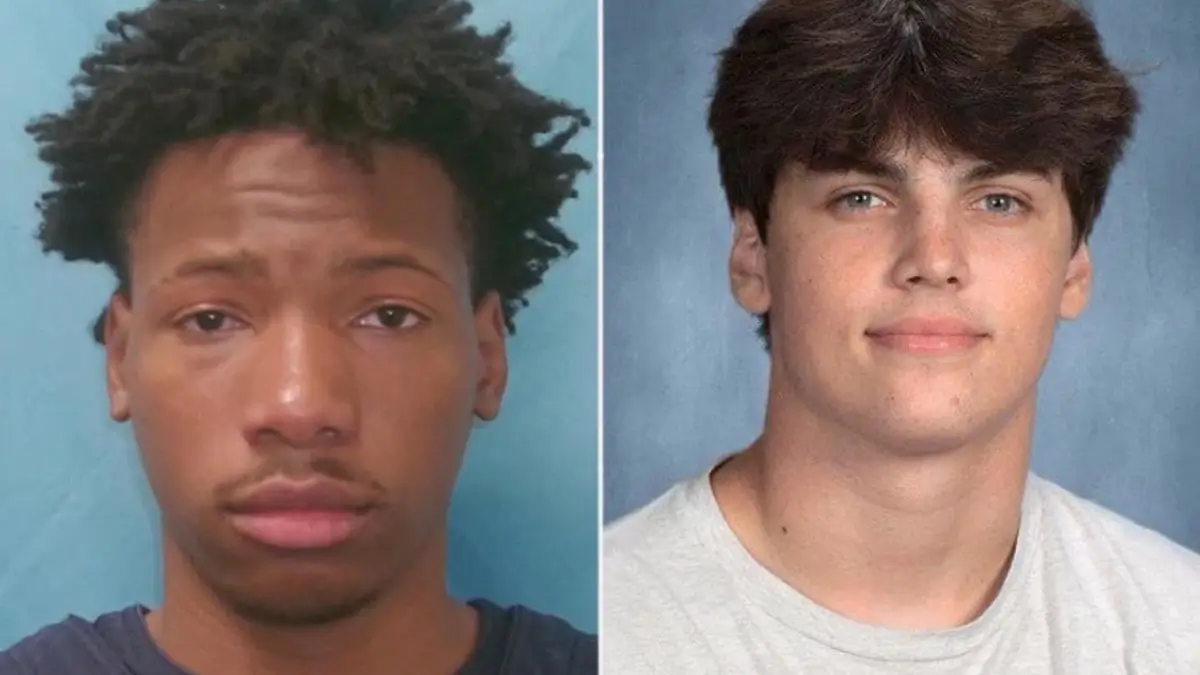
On a warm afternoon in May 2025, what should have been a routine track meet in Frisco, Texas, spiraled into chaos. Spectators gathered to cheer on student athletes, but instead, they bore witness to a tragic event that would alter lives irrevocably. Seventeen-year-olds Karmelo Anthony and Austin Metcalf found themselves at the center of a deadly altercation that resulted in Metcalf's stabbing death. In the days that followed, the community grappled with the unthinkable loss while the justice system braced for a case that would reveal deeper issues lurking beneath the surface.
This week, during the ongoing murder trial of Karmelo Anthony, a fellow student athlete testified that he saw the moments leading up to the fatal stabbing. According to this witness, Metcalf initiated the confrontation by pushing Anthony before he was attacked. This new perspective raises critical questions about the nature of the incident and the motivations driving the escalating confrontation. Were the events a spontaneous escalation of youthful bravado, or did they stem from deeper social dynamics that typically go unexamined?
In stark contrast to the traditional narratives we often see in violent incidents among young people, this case illustrates how the pressures of teenage life can culminate in a tragic end. The backdrop of this altercation is not merely individual choice but a reflection of the environments in which these youths live and grow. The torn fabrics of community, race, and class complicate the straightforward notion of guilt or innocence.
Witnesses claim that the rivalry between members of different high schools had been brewing for some time. Such tensions are not uncommon among teenage athletes; however, they can sometimes lead to violent outcomes. The testimony of the other student athlete, who claims that Metcalf shoved Anthony, adds a layer of complexity to the legal arguments that will unfold in court. Was this confrontation a fight fueled by competitiveness, or was it symptomatic of deeper societal issues, such as the inadequacies of conflict resolution in schools?
The Frisco Independent School District has not only faced scrutiny for its handling of this incident but also for its response to the underlying conditions that create environments ripe for violence among its students. This case serves as a potent reminder of how systemic failures in youth education, mental health resources, and community support structures can lead to catastrophic consequences. Had there been more emphasis placed on conflict resolution and emotional intelligence within school curriculums, could the tragic outcome have been avoided?
As the trial unfolds, the courtroom becomes a stage for broader societal discussions about accountability and justice. Both Anthony and Metcalf were not just students; they were also part of the larger system of public education that is supposed to nurture and protect young people. The core question looms large: who benefits from this tragedy? Is it the school district, which can deflect responsibility onto the students? Is it the justice system, seeking to maintain order in the face of chaos? Or is it the community, which suffers the loss of youth and potential?
Moreover, the racial dynamics at play in this incident cannot be overlooked. Both young men were Black, and their story unfolds against a backdrop of heightened awareness of racial inequalities in the justice system. Cases involving young Black men are, too often, painted with broad strokes of criminality, while systemic failures go unchecked. The implications of this trial may extend beyond the individuals involved, potentially affecting perceptions of Black youth in society at large.
As the prosecution lays out its case, the defense will likely argue that Metcalf's actions provoked Anthony, positioning the incident within the realm of self-defense or at least provocation. Yet the facts surrounding the confrontation, as presented by witnesses, complicate this narrative. The question rises: does an act of provocation justify a lethal response? In a country where gun violence and stabbings are continuously under scrutiny, the answer becomes even murkier.
As activists and community leaders watch closely, the stakes grow higher. The outcome of this trial may not only serve as a verdict on Anthony’s actions but also as a moment for the community to reflect on the systems that foster environments where such violence can occur. The trial's proceedings will inevitably spark conversations about youth accountability, parental responsibility, and school policies. It’s crucial that the community takes this opportunity to examine how it can better support its youth and prevent future tragedies.
Justice is often touted as a blind and impartial arbiter, but the realities of the court system show that it is anything but. The intersection of race, class, and community involvement will play a significant role in the proceedings. The trial has already become a focal point for discussions regarding how the justice system addresses acts of violence among youths, particularly in communities of color.
Advertisement
Moving forward, the community must remain vigilant and engaged. The outcomes of trials like these reverberate far beyond the court itself. They shape perceptions, inform policies, and influence future generations. With the trial ongoing, there are several questions that remain unanswered: How will the court balance the facts with the underlying societal issues? Will this tragic incident lead to changes in how schools address conflict among students? How will the legacy of Austin Metcalf and Karmelo Anthony be understood in the larger context of youth violence?
As the world watches, the story serves as a reminder that every act of violence has roots that run far deeper than a single moment of confrontation. The tragic death of Austin Metcalf is not just a story of loss; it is a call to action. Communities must confront the systemic issues that allow such violence to fester and ultimately claim lives. The time for change is now, and the responsibility falls on all of us to ensure that our youth are equipped to resolve conflicts peacefully, fostering a culture of care rather than one of violence.