What Led a Florida Mother to Attempt to Drown Her Three Children?
By Jasmine Reed, PowerVault Staff On a clear September afternoon, the quiet suburban community of Valrico, Florida, was shattered by an alarming incident that would leave residents reeling. Shaniece Willingham, a moth...
Advertisement

By Jasmine Reed, PowerVault Staff
On a clear September afternoon, the quiet suburban community of Valrico, Florida, was shattered by an alarming incident that would leave residents reeling. Shaniece Willingham, a mother of three, stood before a community pool, descending from the weight of her own mental anguish. In an act of desperation, she tied herself and her children together with a rope before plunging into the water. The details surrounding this harrowing event are not only troubling but also raise essential questions about mental health, systemic failures in support, and the societal dynamics at play.
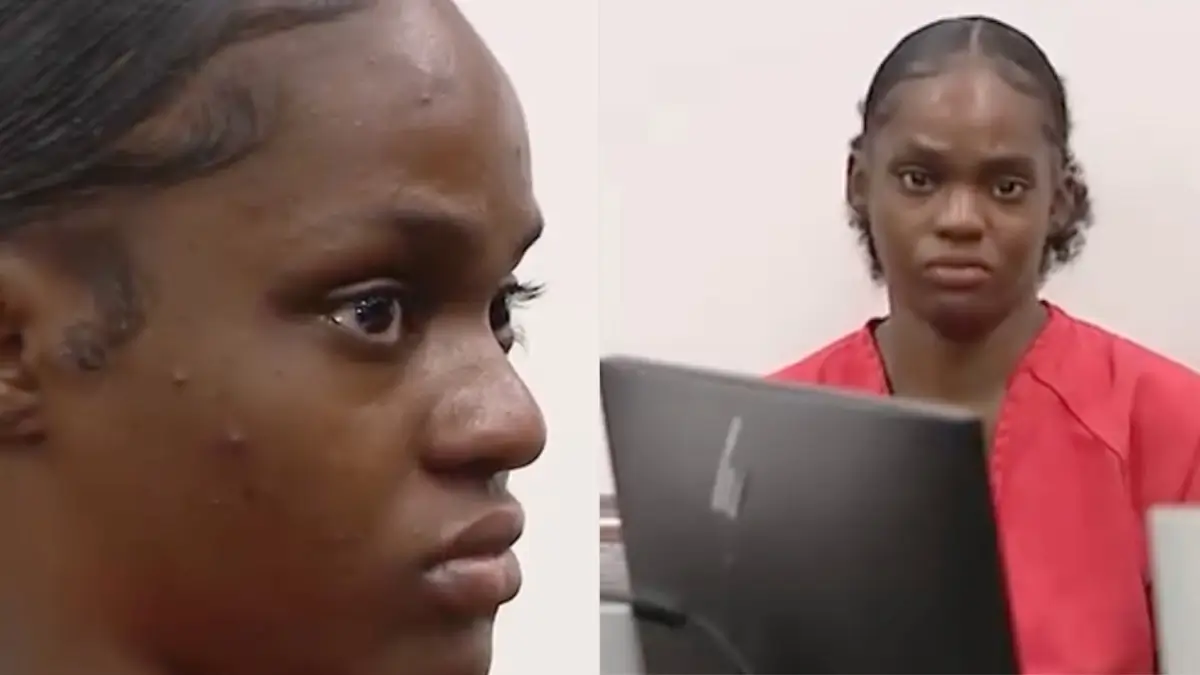
As Willingham's court hearing unfolded on May 19, video footage captured her emotional turmoil. She appeared handcuffed and shaken, tears streaming down her face as she faced charges of attempted murder. This moment was not just a tragic portrayal of a desperate mother; it was the culmination of an overwhelming struggle with mental health issues, suicidal ideation, and perhaps a system that failed to provide sufficient support when it was most needed.
According to reports and subsequent interviews, Willingham was open about her mental health struggles. She had streamed the distressing events live on Instagram, a move that many might find alarming but illustrates a broader trend. In an era when social media has become a platform for people to share their most intimate moments, the question arises: Are we witnessing cries for help, or is this simply a modern phenomenon of seeking visibility in a world that often overlooks the depths of human experience? Her livestream serves as both a chilling account and a desperate plea. It shows a mother grappling with her mental state while simultaneously exposing her children to life-threatening danger.
Willingham's decision, though unthinkable to many, begs an examination of the societal factors contributing to such profound despair. Mental health issues often carry stigma, especially within communities of color. The notion of mental health remains shrouded in misunderstanding and often, a lack of resources. Willingham's experience can be seen as part of a larger narrative where individuals facing mental health challenges do not receive adequate support. The ramifications of this neglect can be tragic, as evidenced by this case.
The justice system now has the difficult task of determining whether Willingham's intent was malicious or simply a cry for help. The charges of attempted murder levied against her suggest a legal system that often fails to differentiate between criminal behavior and mental health crises. What does this say about our judicial approach to mental illness? When someone like Willingham finds themselves in such a dire situation, the responses they receive from law enforcement and the legal system can either exacerbate their problems or lead to healing.
Furthermore, this case exemplifies a troubling pattern in how the legal system handles individuals in distress. Historically, many have been swept into a punitive system that treats mental health crises as criminal acts rather than opportunities for intervention and support. This is particularly critical in communities like Valrico, where resources for mental health support may be limited.
Willingham's situation ignites conversations about the accessibility of mental health services, particularly in underserved areas. When the system fails to provide necessary resources, it often falls on families and individuals to manage crises alone,resulting in devastating outcomes. It raises a broader question: how can we create a safety net that catches those who are struggling before they fall into the depths of despair?
As the case progresses, it remains to be seen how the legal system will handle the complexities of Willingham's mental state. Will she receive compassion and understanding, or will she be met with condemnation and punishment? Observers are left wondering about the implications of her case for other families grappling with similar issues. It serves as a reminder that when society fails to address mental health concerns, the consequences ripple beyond the individual, affecting entire families and communities.
The public's response to this incident has been varied, with some expressing outrage while others extend empathy. The duality of these reactions highlights a critical cultural divide in how we view mental health. Those who have experienced mental health struggles or witnessed similar situations are often more understanding, while others may view the act as unforgivable. This dichotomy reflects a broader societal need for education and awareness surrounding mental health, especially within marginalized communities.
Advertisement
Looking ahead, this situation should challenge us to reconsider what justice looks like for someone like Shaniece Willingham. If the system bears some responsibility for her actions, should it not also be tasked with correcting the failures that led to this tragedy? As this case continues to unfold, it will be crucial to monitor the response from the legal system and the community. Will this case serve as a catalyst for change in how we approach mental health issues? Or will it become just another tragic statistic in a flawed system?
In the end, Shaniece Willingham's tragic situation is not merely an isolated incident. It encapsulates a broader societal failure to address mental health and the many complexities surrounding it. As we continue to engage with this story, it serves as a call to action for more comprehensive mental health support, a reevaluation of how we approach such crises, and a challenge for all of us to advocate for those in need before they reach a breaking point.