What NFL Week 4 Injuries Mean for Black Athletes: Lamar Jackson, Ja'Marr Chase, and the Broader Impact
By Marcus Ellison, PowerVault Staff The NFL is a battlefield where both triumph and tragedy play out every Sunday. As Week 4 unfolded, the grim reality of injuries crept back into focus, reminding fans and players ali...
By Marcus Ellison, PowerVault Staff
The NFL is a battlefield where both triumph and tragedy play out every Sunday. As Week 4 unfolded, the grim reality of injuries crept back into focus, reminding fans and players alike how quickly fortunes can change on the gridiron. Under stadium lights that flicker like a Vegas casino, hopes are gambled and sometimes lost in the blink of an eye. This week, the names echoing from the injury tent are Lamar Jackson and Ja'Marr Chase, two athletes whose careers don't just matter within the confines of the NFL but resonate far beyond.
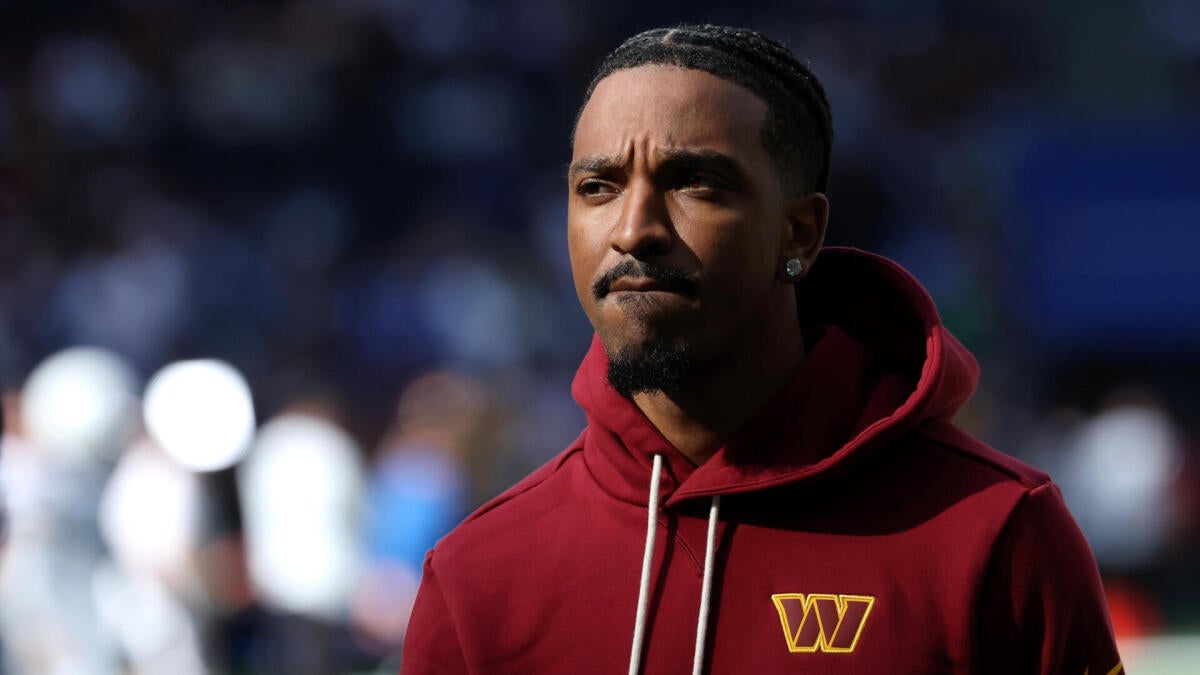
For Lamar Jackson, the news is a sigh of relief. After enduring a series of mishaps over recent seasons, Jackson's latest medical reports bring promise rather than pause. The significance of Jackson's health can't be understated for the Ravens or the wider football community. He isn't just a quarterback; he's a symbol of possibility and potential for Black quarterbacks, who have traditionally faced steep hurdles in a league that wasn't always welcoming to players who look like him.
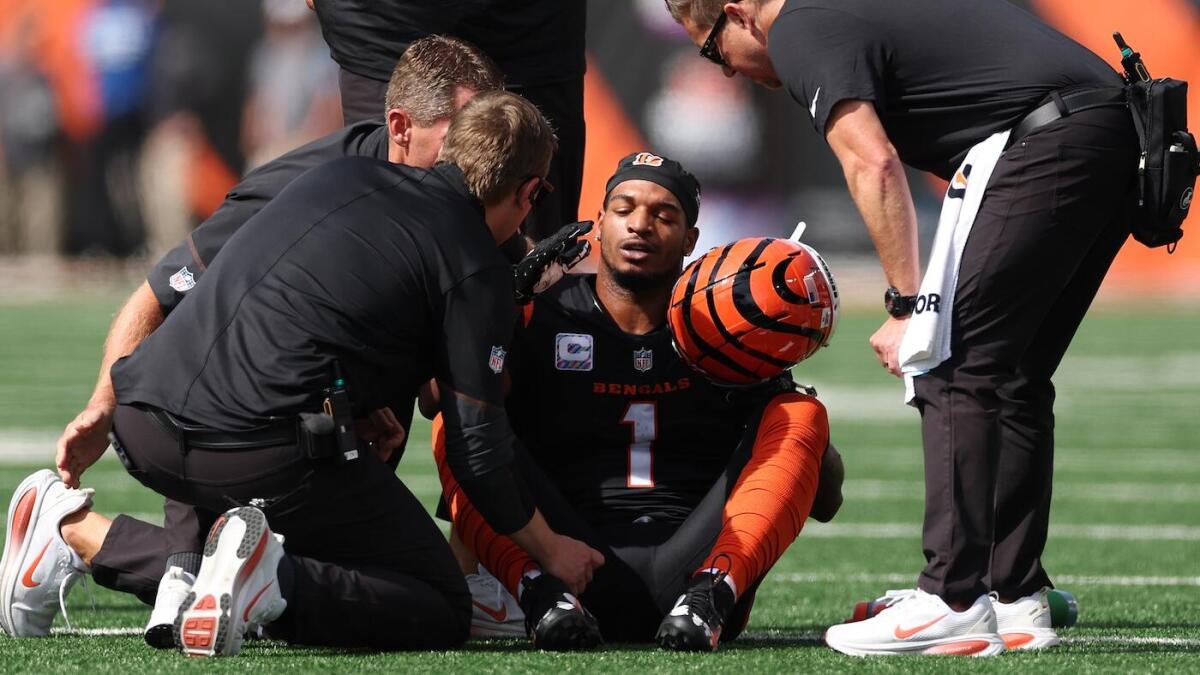
Headlines this week rang with trepidation over Ja'Marr Chase's condition. A magnetic playmaker for the Cincinnati Bengals, Chase's presence electrifies the field, but injuries have a way of casting shadows over even the brightest stars. The NFL's concern is more than clinical; it's existential. What happens to a franchise when its crown jewel is sidelined? More importantly, what does it mean to Black athletes whose careers are often scrutinized under the more intense microscope of race?
Lamar Jackson's journey isn't just a story of a talented quarterback; it’s emblematic of deeper narratives in sports and society. As the NFL's scene continues to evolve, Jackson stands as a beacon for young African American quarterbacks aspiring to break through glass ceilings. His milestone contract, a $260 million commitment from the Baltimore Ravens, serves as both a validation and a challenge, one that shows the broader struggle for recognition and respect among Black athletes in predominantly white spaces.
Injuries like Jackson's and Chase's are a stark reminder of the physical toll of a game that is as much about survival as it is about strategy. The stakes are high, not just in terms of wins and losses, but in the career longevity of players who must handle the complexities of transitioning out of the sport when their bodies no longer cooperate. This isn't just about sports medicine; it's about life after the roar of the crowd fades. For Black athletes, who often come from communities already facing economic and social challenges, the pressure to succeed, and the fear of failure, is even more palpable.
The league's response to these injuries is telling. The NFL is more than a collection of teams; it's a multi-billion dollar machine fueled by sponsorships and TV deals. Athletes like Jackson and Chase are key cogs in this machine, and their well-being directly impacts the league's bottom line. But the concern for player health often takes a backseat to profit margins, leaving athletes vulnerable to being viewed as commodities rather than individuals with futures that stretch beyond their playing days.
This brings us to a broader conversation about the industry itself. Football is America's game, yet it remains a microcosm of America's complexities regarding race. The pressure on Black athletes to perform is often coupled with the stigma of being labeled as injury prone or unreliable, narratives that don't reflect the systemic issues at play. It's a conversation about opportunity, representation, and the delicate balance between exploitation and empowerment in a sporting arena that mirrors wider societal dynamics.
Sports injuries and their repercussions make headlines, but the real story lies in the less visible struggles players endure. Financially, the impact can be devastating. Contracts laden with incentives tied to playing time put injured athletes at a disadvantage, often stripping them of the financial security that was just within reach. This is where the role of player representation and advocacy becomes critical, ensuring athletes aren't left in the lurch once the stadium lights dim.
For the community of fans who watch, support, and rally behind these athletes, the story is personal. When Lamar Jackson takes the field, he's more than just a player; he's a symbol of achievement. Similarly, Ja'Marr Chase is celebrated not just for his catches but for what he represents, a young Black man excelling in his dream job. These athletes carry the hopes of many who see their struggles and successes reflected on and off the field.
Our expectation of athletes as heroes, as role models, is laden with the weight of unfair standards. While their excellence inspires, the pressure to maintain that excellence amid the physical demand of their sports is immense. Injuries, therefore, are not just physical setbacks but emotional and psychological ones that affect both player and fandom alike.
Injuries are not just physical setbacks but emotional and psychological ones that affect both player and fandom alike.
As we look to the future, the conversation around player health and safety must evolve. The sports industry needs to recalibrate its priorities, valuing the long-term well-being of its players over immediate monetary gain. Player unions, coaches, and league officials must collaborate to create a system where health isn't just preached but practiced. This isn't merely an ethical consideration; it's a sustainable one, ensuring the longevity and vitality of sports we love.
The narrative arc for Black athletes in the NFL is layered and complex, a mix woven with historical strands of struggle and triumph. Just as Lamar Jackson's recovery holds promise for his career and for his team, it also holds a mirror to the league's ongoing journey towards equity and inclusion. In the end, the stories of Ja'Marr Chase, Lamar Jackson, and countless others are more than just about sports; they are about the ongoing quest for equality, respect, and justice in every arena they step into.
As the NFL season progresses, eyes will remain on the recovery fields as much as the playing ones. The resilience of players like Jackson and Chase will offer lessons, not just in perseverance but in the broader implications for sports and society. What happens next in their careers will resonate beyond team rosters, challenging the industry, inspiring future generations, and reminding us all of the enduring power of sports as a reflection of real life.