Who Are College Sports Really Being Protected From?
By Andre Coleman, PowerVault Staff The roar of the crowd, the flashing stadium lights, the heart-pounding anthem of college sports, it's almost easy to forget the game behind the game. As fans, we're often swept up in...
By Andre Coleman, PowerVault Staff
The roar of the crowd, the flashing stadium lights, the heart-pounding anthem of college sports, it's almost easy to forget the game behind the game. As fans, we're often swept up in the drama on the field, but behind closed doors, it's a different ballgame entirely. The recent decision to pause legislative activities just before the midterms adds yet another layer to a saga that has been unfolding for decades.
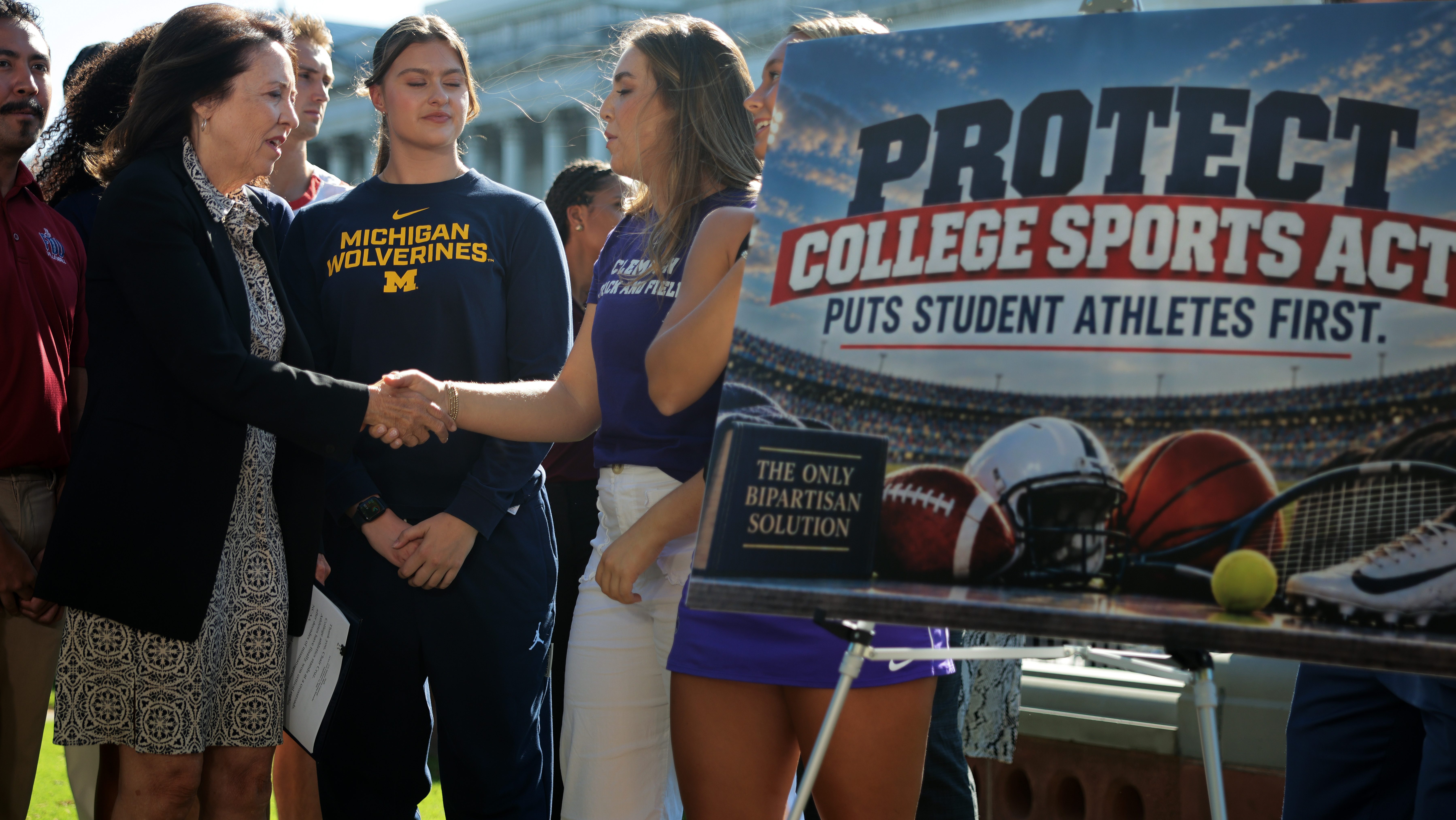
This pause, announced by Speaker Mike Johnson, throws into relief the precarious balancing act that college sports have become, a high-stakes power struggle where the athletes, often Black, find themselves pawns. The House of Representatives' decision effectively places a temporary hold on the Protect College Sports Act. While the name suggests safeguarding the sports, it's worth asking: who is truly being protected here?
College sports are a billion-dollar industry, a sprawling empire built on the backs of young athletes who are often blinded by the allure of a fast track to professional glory. Yet, the reality for many of these athletes, especially Black athletes, is a system that profits from their labor while offering limited long-term benefits. The NCAA, a powerhouse that has long resisted the share of its lucrative pie, finds itself at odds with growing public demand for athlete compensation and rights.
Speaker Johnson's announcement comes at a time when the debate over the rights of college athletes is reaching a fever pitch. The Senate's consideration of the Protect College Sports Act touches on several contentious issues, but one stands out, the financial exploitation of Black athletes. The NCAA's rules have historically restricted athletes from earning money, despite schools raking in millions from TV deals, merchandise, and sponsors.
In a tweet that resonated across the digital scene, journalist Andy Christovich underscored the irony of the timing.
His words echo the sentiment of many who see this as yet another example of political maneuvering overshadowing genuine reform. With the midterms looming, it seems the powers that be are more concerned with political optics than athlete welfare.
For Black athletes, the stakes are higher than just wins and losses, they're handling a labyrinth where the rules are designed by those who never had to play the game.
Historically, the intersection of race and sports in America has been fraught with tension. From Jesse Owens defying Nazi ideology in 1936 to Colin Kaepernick taking a knee, Black athletes have often been at the forefront of societal change. Yet, within the collegiate sphere, their voices remain stifled. The Protect College Sports Act promises to address issues like compensation for name, image, and likeness (NIL), but the road to equity is riddled with obstacles.
The economic implications cannot be overstated. While a select few athletes might make it to the professional leagues, many do not. For them, college sports are often the pinnacle of their athletic careers. Yet, the system does not equip these athletes with adequate tools for future success off the field. Scholarships cover tuition, sure, but what about the cost of living, the need for financial literacy, or the long-term health consequences of collegiate sports careers?
In the larger conversation about athlete compensation, it's crucial to examine who holds the power. University administrators and NCAA officials often wield disproportionate control over the fate of these young athletes. The promises of education and exposure are frequently used as bargaining chips, leaving players at the mercy of institutional agendas that may not align with their own best interests.
Despite these challenges, there's a growing momentum for change. Social media, a powerful tool in the modern age, has given athletes a platform to speak out and mobilize. The recent YouTube video featuring testimonials from current and former athletes highlights their unanimous demand for reform.
In the video, players share personal stories of struggle and resilience, underlining the urgent need for legislative action that genuinely addresses their concerns.
For the audience and the community, this is a moment of reckoning. It is a call to challenge the status quo and demand accountability from those who profit from the sweat of young athletes. The Protect College Sports Act, in its proposed form, is just one step in a marathon. It promises to level the playing field, yet the journey to true equity requires handling a complex web of race, class, and power dynamics.
Looking forward, the path to reform is uncertain. As lawmakers return post-midterms, the pressure mounts to transform platitudes into policy. The stakes extend far beyond the confines of a college stadium. They are about the future of an institution that shapes the lives of countless young Black athletes.
Will the Protect College Sports Act deliver on its promise? Or will it become another chapter in a long history of political inaction? The answer lies not just in legislation but in the collective willingness to envision a fairer, more inclusive future for all athletes.