Why Jay-Z Can't Win the Battle Over Colin Kaepernick
By DeShawn Price, PowerVault Staff The year 2026 marked a bold chapter for Jay-Z, a mogul who’s never been one to shy away from the spotlight, or a spat. His announcement resonated through the industry like a bassline...
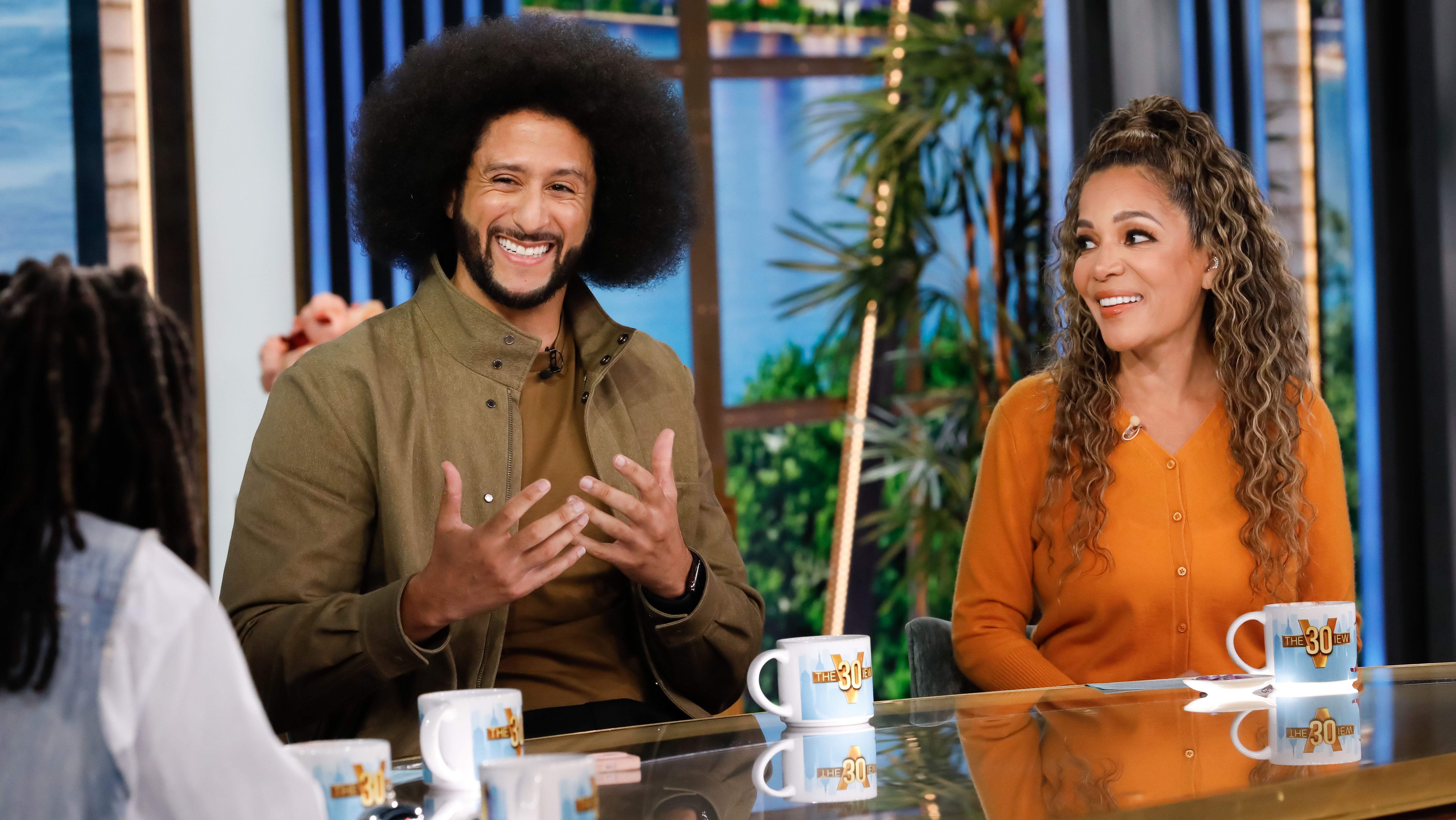
By DeShawn Price, PowerVault Staff
The year 2026 marked a bold chapter for Jay-Z, a mogul who’s never been one to shy away from the spotlight, or a spat. His announcement resonated through the industry like a bassline at a Brooklyn block party: he was done playing defense. The names on his list were as varied as the beats in his discography, Dame Dash, Nicki Minaj, even Drake. But there was one name that stood out, one battle that seemed unwinnable even for someone of Jay-Z's stature: Colin Kaepernick.
For years, Kaepernick's figure has been as iconic in the struggle for racial justice as it has been absent from the NFL's roster. His principled stand against police brutality, marked by kneeling during the national anthem, transformed him from quarterback to cultural icon overnight. Yet, despite Jay-Z's influential partnership with the NFL, which was initially criticized as a betrayal of Kaepernick’s cause, the mogul hasn’t been able to bring the quarterback back into the fold. This conflict isn't just about business deals or media narratives; it's emblematic of a broader struggle within the sports and entertainment industries.
When Jay-Z joined forces with the NFL in 2019 to “help the league’s social justice efforts,” the partnership was met with both applause and criticism. Some saw it as a step forward, a high-profile collaboration that could bring about real change from within. Yet others viewed it as a sellout move, a betrayal of the very protests that Kaepernick had ignited. In the years since, Jay-Z has navigated this complex terrain with the precision of a seasoned lyricist, but the question of whether he's advocating for the culture or merely protecting his own interests remains.
In the post below, Jay-Z addressed the rumors and narratives head-on, setting off discussions across social media platforms.
Jay-Z's musical legacy is unparalleled; his business acumen, unmatched. But the terrain of activism, especially within the NFL's predominantly white institutional walls, is an entirely different playing field. The power dynamics are starkly different. Here, the stakes aren't just about album sales or brand endorsements, they’re about systemic change, about shifting the balance of opportunity and representation in an industry that has long marginalized Black voices.
The Colin Kaepernick saga serves as a stark reminder of these stakes. Since he first took a knee in 2016, Kaepernick has become a symbol, a litmus test for where the NFL stands on issues of race and justice. Despite his undeniable talent and the league's purported commitment to social justice, he remains unsigned, a conspicuous absence that says a lot.
Jay-Z's influence is vast, but the machinery of the NFL is a formidable beast.
Jay-Z's influence is vast, but the machinery of the NFL is a formidable beast. The league’s power structure is heavily fortified, its roots deep in a history of exclusion. For many Black athletes, breaking through isn’t just about skill on the field; it’s about handling a complex web of politics and perceptions that extend far beyond the game. This is why, despite Jay-Z's efforts, Kaepernick's return remains elusive.
Historically, sports have always been a battleground for larger societal issues. Think back to the 1968 Olympics, when Tommie Smith and John Carlos raised their fists in a Black Power salute, a moment etched into the collective memory of civil rights struggles. Or more recently, when LeBron James and other NBA players wore “I Can’t Breathe” shirts in solidarity with Eric Garner's family. These were not just acts of defiance but calls to action that echoed far beyond their immediate arenas.
In the video below, Jay-Z lays out his plans to shift the narrative and influence change from within the NFL's ranks.
For Jay-Z, the challenge isn't just about winning a public relations battle; it’s about redefining what power looks like in spaces traditionally dominated by white executives. His foray into the NFL was a calculated move, a way to leverage his platform and influence to advocate for change. Yet, as Kaepernick’s continued absence illustrates, some battles require more than strategic partnerships, they demand systemic upheaval.
The politics of Kaepernick’s sidelining can't be overlooked. The league has tried to distance itself from its divisive past with initiatives and donations, but gesture-driven change is not enough. Real progress requires a willingness to address the uncomfortable truths about why Kaepernick remains without a team in a league that still profits from the talents of Black athletes while often silencing their voices.
For the Black community and fans watching, this isn't just a sports story, it's a reflection of broader societal struggles. The parallel between Kaepernick's fight and the everyday battles faced by Black individuals striving for equality in their own workplaces is unmistakable. His story is a reminder of the resilience required to challenge the status quo and the pervasive barriers that persist in even the most progressive-seeming environments.
Looking ahead, the question is not just whether Jay-Z can win this battle, but how the scene will shift in response to these pressures. Will the NFL, under the weight of public expectation and internal reflection, finally bend towards justice, or will it continue to shield itself with token gestures? And will Jay-Z, with all his influence, be able to steer the ship, or is this an instance where the culture demands something more?
As we stand on this precipice, one thing is clear: the fight for justice, equality, and representation in sports is far from over. Whether Kaepernick will don a jersey again remains uncertain, but his impact, like Jay-Z's influence, continues to reverberate. The next move belongs to the culture, and it’s our narrative to shape.