Why Saquon Barkley's Meeting with Trump Still Echoes in NFL Politics
By DeShawn Price, PowerVault Staff The game is more than just a spectacle of athleticism; it's a stage where politics, power, and social dynamics play out in real time. The air was still charged from the spectacle of...
By DeShawn Price, PowerVault Staff
The game is more than just a spectacle of athleticism; it's a stage where politics, power, and social dynamics play out in real time. The air was still charged from the spectacle of the latest NFL game when the controversy took center stage again, drawing eyes away from the field and into the deeper political undercurrents that run through the league. The scene was set with an unexpected actor in the spotlight, Saquon Barkley, a name synonymous with gridiron prowess, was now entangled in a political drama scripted by none other than Donald Trump's Department of Homeland Security.
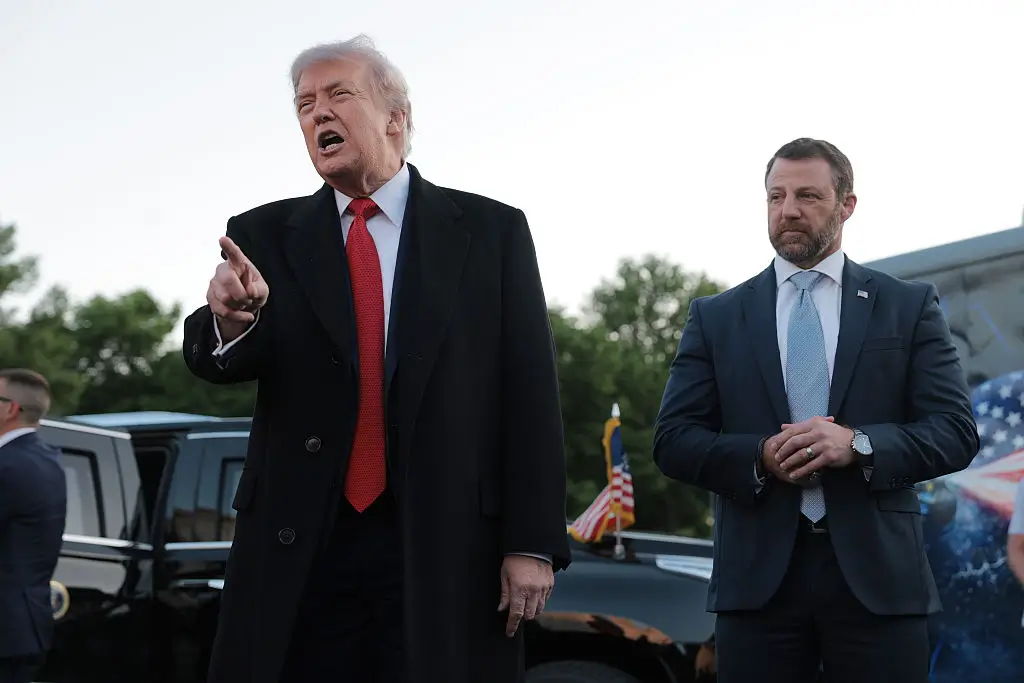
It all seems like it could have been avoided, but the NFL's latest skirmish with the Trump administration isn't surprising. In fact, it's become almost expected. The latest chapter began when the Department of Homeland Security reportedly linked Barkley, the Philadelphia Eagles running back, to the Trump administration's controversial immigration policies. This firestorm comes just over a year after Barkley's infamous sit-down meeting with Trump, which itself was met with significant backlash from fans and the public alike.
The controversy ignited when a video surfaced featuring Barkley, sparking demands from the NFL for its removal. The league's hard stand against such politicization of its players comes as its leaders try desperately to keep the focus on the game rather than the personalities surrounding it. But keeping politics out of sports is as futile as trying to separate the soul from the body; they're inherently intertwined, especially for Black athletes playing in predominantly white spaces.
The clip that set the timeline off is below.
Looking into the heart of this matter, one must question why the Trump administration would even leverage an NFL player's image in its political arsenal. The answer lies in the cultural clout and influence that athletes like Barkley carry. Right now, athletes are not just players but influencers. Their words and actions resonate across social media platforms and ripple through communities. Barkley, like many Black athletes, symbolizes more than just physical talent, he represents a generation's voice, ambitions, and struggles.
This incident is not an isolated event but a continuation of an ever-present tension between sports leagues and political agendas. The intersection of sports and politics is as old as the games themselves, dating back to when Muhammad Ali refused to be drafted during the Vietnam War or when Tommie Smith and John Carlos raised their fists at the 1968 Olympics. These moments weren't merely about the sports but about the statement they made on racial and social justice.
In light of this, the NFL's demand for the video's removal is a statement. It’s an assertion of control and an attempt to protect its brand from association with divisive political rhetoric. Yet, this stands in stark contrast to the league's own history of political entanglement, whether through its complicated relationship with the anthem protests or its uneven handling of social justice initiatives.
The Department of Homeland Security's involvement adds another layer to this saga, as highlighted in the post below.
Through the lens of historical context, we see the struggle for black athletes as a microcosm of broader social movements. Their bodies have long been battlegrounds where societal ideals clash with harsh realities. For Barkley, being inadvertently associated with the Trump administration places him in a precarious position, thrust between maintaining his personal brand and handling the minefield of political affiliations.
What does this mean for the industry? The NFL, like many sports leagues, is a multibillion-dollar enterprise where every decision, whether on-field or off, is calculated and impactful. The league's reaction here reflects an understanding of the stakes involved. Aligning, or appearing to align, with a political figure like Trump can have a significant impact on their brand and viewership, especially considering the diverse political leanings of their fanbase.
This incident is another reminder of how Black athletes are often caught in political crossfires, expected to be silent or complicit even as their identities are leveraged for broader agendas.
The YouTube video below shows Barkley's attempts to address the issue directly, speaking to the complexities athletes face in these politically charged environments.
For the community and the audience, this incident serves as a vivid reminder of the power dynamics that Black athletes handle. It's a wake-up call for fans to recognize the dual pressures athletes face, not just to perform but to serve as inadvertent symbols or spokespeople in political arenas. It underlines the importance of supporting athletes not just for their performance on the field but in their efforts to maintain autonomy over their personal and professional identities.
Looking forward, the relationship between politics and sports will only intensify. As the presidential elections approach, the pressure on athletes to take political stances, or to avoid them, will likely increase. This moment with Barkley is a harbinger of more to come, a plot that will continue to evolve with each new headline. For fans and players alike, the challenge will be to stay informed and active in conversations that transcend the realm of sports. The question is, can the league maintain its balancing act of entertaining while staying above the political fray, or will the game change yet again to reflect the world outside the lines?