WNBA Playoff Push: The Stakes for Black Athletes and the League
By Marcus Ellison, PowerVault Staff The air inside the arena was electric, the kind of charge that dances on the skin and sets hearts racing. Players returned from the FIBA Women's Basketball World Cup, each carrying...

By Marcus Ellison, PowerVault Staff
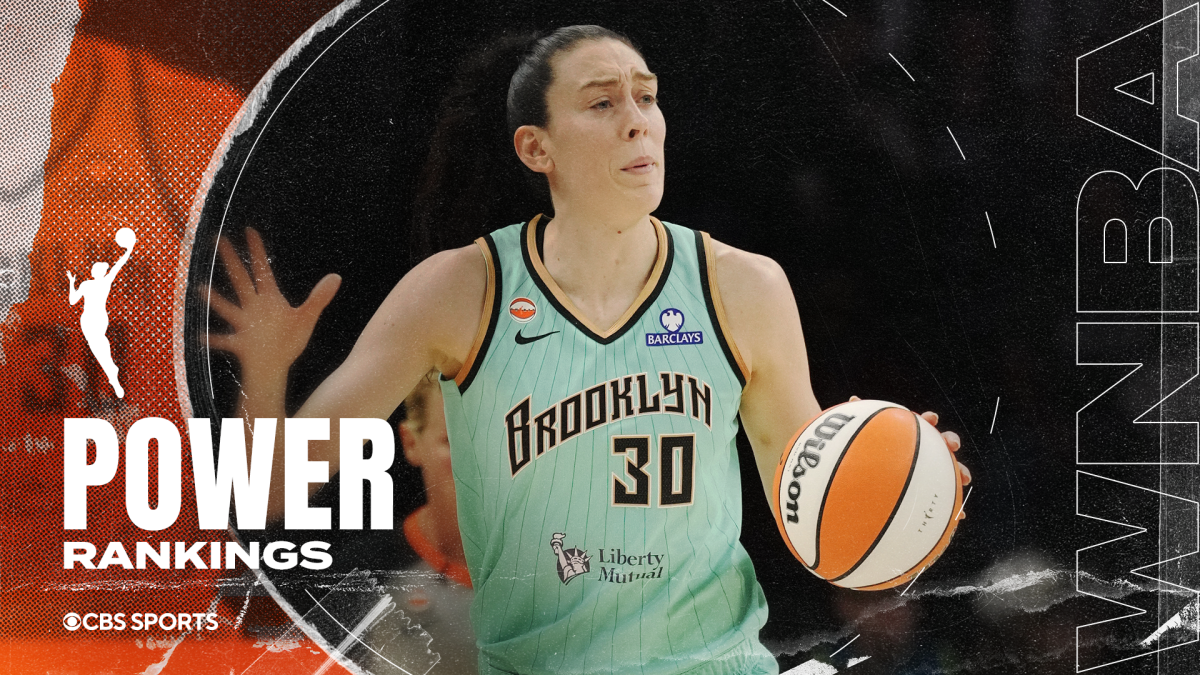
The air inside the arena was electric, the kind of charge that dances on the skin and sets hearts racing. Players returned from the FIBA Women's Basketball World Cup, each carrying the weight of national pride and personal expectations. The global stage had been a battle, but now the real test was back home. The WNBA playoff race was tighter than a drum, and every game was a new chapter in a saga that was as much about sports as it was about survival and legacy.
Team USA had claimed its fifth consecutive World Cup title, sending a message about their dominance. But as the players returned to their WNBA teams, the narrative shifted. This wasn't just about a championship; this was about reclaiming and redefining what it means to be a powerhouse in a league fighting for its rightful place in the sports hierarchy.
Black athletes in the WNBA play a pivotal role not only as the faces of their franchises but as symbols of resilience and change. The league, predominantly Black, has seen its fair share of struggles, from battling for equitable pay to demanding respect in the sports world. The playoffs are not just a time to win games; they are a platform to showcase talent, demand recognition, and push for systemic changes within sports structures often resistant to change.
As each game unfolds, the stakes are higher than just wins and losses. The weight of representation sits heavily on the shoulders of Black players who know that their success or failure is often unfairly tied to the broader perception of their community. Success in the playoffs could mean more visibility, better contracts, and a louder voice in negotiations that often come with strings attached.
The WNBA has long been a beacon for progressive thinking in the sports world, but it still grapples with its own set of challenges. The issues of officiating, as highlighted in this recent report, often threaten to overshadow the brilliance on the court. The league's commitment to fair play and integrity is continually tested, and the playoffs are both a proving ground and a crucible.
In the world of sports, where discussions of salary caps and television contracts often overshadow the game itself, the WNBA proves what can be achieved when passion meets purpose. Yet, for all its progress, the league still fights for the respect and resources other leagues take for granted. The post-World Cup stretch is about more than just clinching a playoff spot; it's an opportunity to solidify the league's place in the pantheon of professional sports.
Recently, a video about the league's current dynamics has gained traction. Check it out below to see league officials discussing the WNBA's growth and challenges.
For the players, especially the Black athletes who are often the first to feel the sting of systemic inequities, these games carry a dual purpose. They are a chance to shine, certainly, but they are also a chance to advocate for justice and change. The WNBA has been at the forefront of social issues, with players using their platforms to speak out against racial injustice, even when that meant risking their careers.
These playoffs come at a time when the sports industry itself is under scrutiny. With the NFL and NBA often swallowing media attention and corporate dollars, the WNBA fights for visibility. Companies and sponsors are beginning to realize the value of aligning with a league that champions diversity and equality. The payoff? A role in a movement much larger than any single season.
But how does this translate to real change for Black athletes within the WNBA? For one, it raises important questions about equitable compensation. Many players still head overseas to supplement their income, a move that comes with risks and sacrifices. As the league grows, so too must its commitment to ensuring that players are not forced to choose between financial stability and family.
At a time when athletes often have to fight for their share of the pie, the WNBA stands as a powerful reminder that talent should never be undervalued or overlooked.
Another dimension of this playoff race is the way it can shape the future of the league itself. Young girls, particularly Black girls, see these players and are inspired. They see possibilities where previous generations saw only barriers. The WNBA is not just a league; it's a movement, and the playoffs are its banner waving proudly.
As we look to the rest of the playoff race, the question remains: Will the league take steps to ensure its athletes are supported not just in word but in deed? The potential is immense, but the execution must match the promise. The league's future, and indeed, its very soul, hangs in the balance as these games unfold.
To dive deeper into the ongoing playoff dynamics, don't miss this insightful breakdown below.
In conclusion, as the WNBA season hurtles towards its climax, the games are about more than just a trophy. They're about carving out a space in a crowded sports scene that often sidelines women's achievements. They're about pushing boundaries and shattering ceilings that have been in place for too long. For Black athletes, these playoffs symbolize both a culmination and a beginning, of battles fought and victories yet to come.
What's next is anyone's guess, but one thing is certain: as the playoff dust settles, the spotlight will not only shine on the champions but also illuminate the path forward for a league, and its players, poised on the brink of greatness. The WNBA's story is still being written, and these playoffs are a chapter that promises to reverberate far beyond the buzzer.