WNBA Playoffs 2026: What's at Stake for Black Athletes
By Marcus Ellison, PowerVault Staff The buzz of anticipation crackles like static electricity as the WNBA playoffs kick off. This is not just a sports event; it's a cultural moment swelling with significance. As the M...

By Marcus Ellison, PowerVault Staff
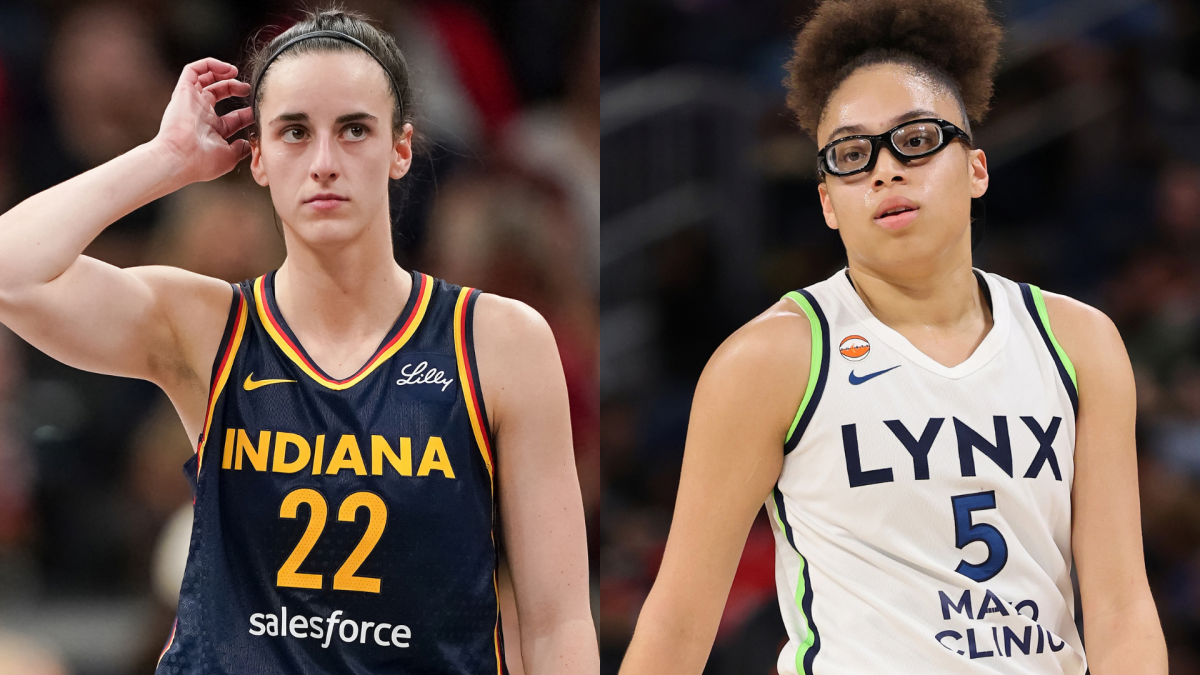
The buzz of anticipation crackles like static electricity as the WNBA playoffs kick off. This is not just a sports event; it's a cultural moment swelling with significance. As the Minnesota Lynx hold court with the league’s best record, and the Golden State Valkyries rise like a phoenix in the West, the court becomes a stage, and every dribble, pass, and shot is a performance that echoes beyond the confines of the arena.
Far from the spotlight that blazes on the NBA, the WNBA is a testament to grit and tenacity. It’s a league where Black women, who make up 70% of its players, are not just participating in sports but are rewriting its narratives on a court predominantly designed by corporate America. The stakes of this season stretch beyond the hardwood, it’s a conversation about equity, representation, and the relentless push against a system that often sidelines its most vibrant stars.
As fans buckle in for this wild postseason ride, it’s crucial to understand what this championship run truly represents. The Minnesota Lynx’s dominance is noteworthy, marking their continued pursuit of excellence, but the deeper narrative lies in the systemic barriers these athletes face. The disparity in salaries, media coverage, and investment compared to their male counterparts isn't just a financial issue, it's a cultural reckoning that says a lot about who gets to be celebrated in sports.
The WNBA's exposure is expanding, but the road remains rocky. Players like A’ja Wilson and Breanna Stewart have become household names, but they carry the burden of being more than just athletes. They are activists, entrepreneurs, and role models in a league that often asks them to do more with less. For Black women, especially, the pressure to break through these ceilings comes with unique challenges. The playoffs are a stage where victories could echo in boardrooms and communities alike.
The clip that set the timeline off is below.
Consider the financials: The maximum salary for a WNBA player capped at $234,936 in 2026, while their NBA counterparts pull in millions. This gap isn't just a number; it's a reflection of value. The fight for fair compensation continues as women demand the respect and recognition their talents deserve. It's about athletes like Candace Parker who have been vocal in their pursuit of equality, using their platform to push the conversation forward.
But beyond the numbers, the playoffs are also a microcosm of broader societal shifts. The Black Lives Matter movement and activism against racial injustice have found allies in WNBA players who have used the league’s visibility to push these critical conversations. The league itself has embraced this activism, showing support in ways that other leagues have only flirted with.
She addressed it head on in the post below.
Historically, sports have been both a barrier and a battleground for Black athletes. The WNBA has repeatedly positioned itself as a vanguard for social issues, reminiscent of how figures like Muhammad Ali and Jackie Robinson challenged and changed perceptions in their times. The league embodies a legacy of resistance, creating a space where Black athletes can speak out against injustice while dominating their sport.
As ESPN commentator LaChina Robinson pointed out, "The game is about more than what happens on the court. It’s about what these players do with the platform they've earned." This ethos fuels the WNBA, and during these playoffs, it's on full display.
The playoffs also offer a glimpse into the future of sports entertainment. With digital platforms amplifying voices and games reaching global audiences, the potential for transformation is immense. As the league continues to grow, the question isn’t if the WNBA will break through the glass ceiling, but when, and how spectacularly.
In recent years, there's been a noticeable shift in public perception, driven by the league's strategic moves to highlight its unique brand of basketball, fast-paced and fundamentally sound. As the playoffs unfold, the league's ability to harness this momentum could set a precedent for attracting bigger investments and media deals, reshaping the world of women's sports.
The world is watching, as seen in the post below.
This is about more than basketball; it's about rewriting the script that has long marginalized Black athletes and women. The playoffs are a reminder of the resilience and brilliance of these athletes and their unyielding quest for respect.The WNBA's fight is a reflection of a larger societal struggle for equity.
So, as the WNBA playoffs electrify the courts and captivate our screens, let us not forget what is truly at play. The championships will be celebrated by the winners, but the true victory lies in the progress achieved by the league. It’s a testament to the power of persistence and the unbreakable spirit of Black athletes who continue to break barriers with each game. This postseason, let's look beyond the scores and see the story of a league that's not just surviving but thriving, challenging norms, and paving the way for future generations to stand even taller.