
Yella Beezy Trial: Why His Label's Response Matters
By Jasmine Reed, PowerVault Staff Yella Beezy's murder for hire trial turned toward label strategy when a marketing executive defended preparing a response to Mo3's killing. Lynn M. Scott, the defense's first witness,...
Advertisement

By Jasmine Reed, PowerVault Staff
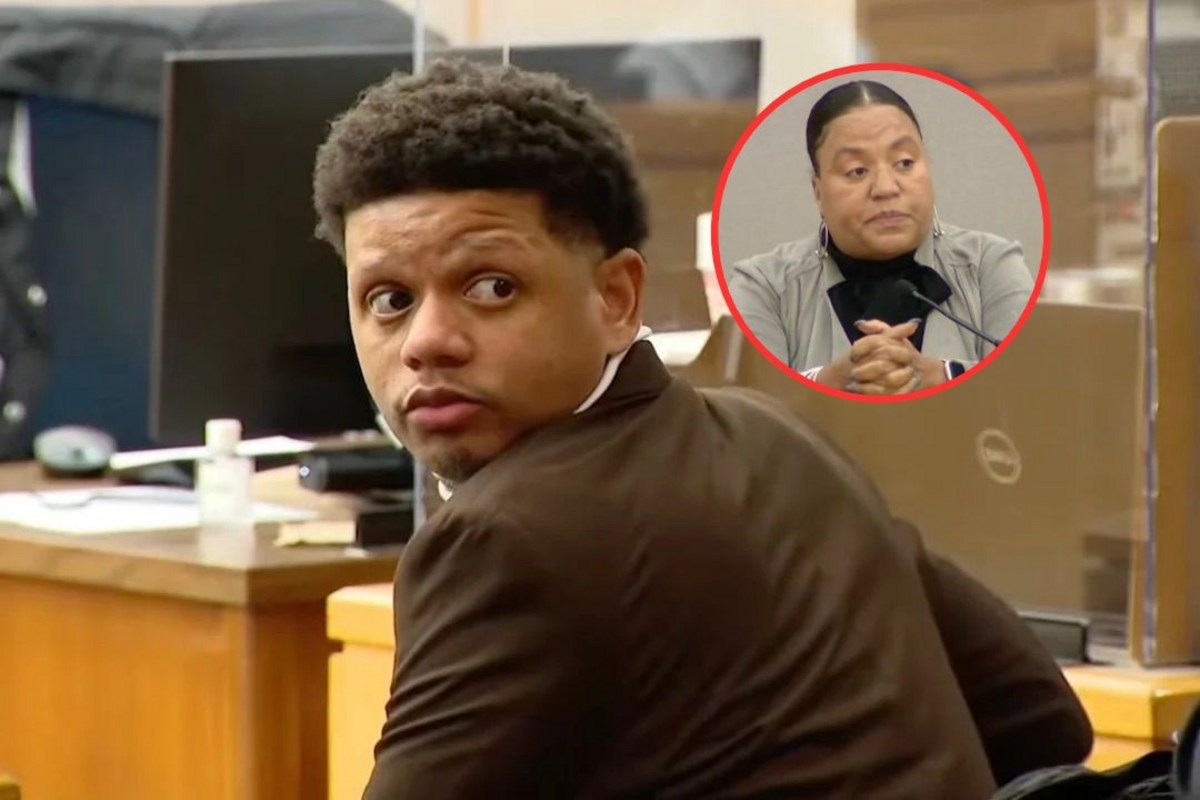
Yella Beezy's murder for hire trial turned toward label strategy when a marketing executive defended preparing a response to Mo3's killing. Lynn M. Scott, the defense's first witness, said her job required getting the rapper ready for public attention. Prosecutors pressed her about messages calling for the team to “strategize” and “craft a response” after the shooting. Those words carry weight in a courtroom. They also belong to the everyday vocabulary of a music business built around managing perception. The dispute is whether this particular response reflects routine publicity work or supports the prosecution's theory. Those are very different conclusions.
According to XXL's reporting on the testimony, prosecutors rested their case Monday, Nov. 9, as the trial entered its third week. Beezy, born Markies Conway, then began presenting his defense through Scott, who worked closely with him at L.A. Reid's Hitco Entertainment in 2020. Her testimony put someone familiar with the label's daily operations on the stand, rather than another investigator interpreting those operations. Prosecutors allege Conway and Trapboy Freddy paid Kewon White $40,000 to kill Mo3, born Melvin Noble. That remains an allegation against Conway, who is presumed innocent. Trapboy Freddy has not been charged in connection with this case. White was convicted of murdering Mo3 and received a life sentence in September. His conviction does not establish another person's guilt.
Scott told defense attorney Johnny Gussio that Beezy's California trip began as label business, not an emergency relocation after Mo3's death. Hitco arranged a typical three day promotional visit beginning Nov. 10, 2020, and routinely covered his travel expenses, she testified. Scott said she needed him in California for meetings while developing his marketing plans, giving the trip a specific professional purpose. Mo3 was killed on Interstate 35 in Dallas the following day. According to Scott, label executives then wanted Beezy to stay in California for additional promotional shoots and his personal safety. That sequence matters because the original travel arrangement preceded the killing. It gives the defense a business explanation for his presence out west. The accompanying video appears below for readers following the case.
Beyond that video, Scott's account supplied specific dates for Beezy's movements after the shooting. She testified that he briefly returned to Dallas on Nov. 20 to see his mother, then flew back to Los Angeles. His girlfriend and children stayed there with him, and he spent Thanksgiving at Scott's home. The holiday detail also placed Scott inside that account personally, describing contact with Beezy beyond arranging his professional schedule. Those details give jurors a more specific account of the extended stay than an unexplained absence would provide. Still, travel arrangements cannot settle a payment allegation on their own. Their value depends on how they fit alongside the rest of the evidence. A witness can explain one disputed circumstance without resolving the entire prosecution case.
Prosecutor Tommy Adams focused on Scott's text about preparing a response after news of Mo3's death. He questioned her use of “strategize” and “craft a response” in a message to Beezy and other team members that day. “I'm a marketer,” Scott testified. “I thought he should be prepared.” She also said Hitco controlled song release schedules, including “Keep It in the Streets,” which addressed Beezy's disputes with rap rivals. According to her testimony, that recording existed before its official release. Separately, the defense recalled lead Dallas police detective Eric Barnes to challenge the alleged payment before prosecutors rested. The source report does not resolve that challenge or establish what financial evidence jurors ultimately accepted. A second accompanying video follows this part of the case.
The testimony reaches beyond the accompanying videos into a long argument about how courts interpret rap. During Young Thug's Georgia trial, which ended for him with a plea in 2024, prosecutors used lyrics while pursuing their gang case. The particulars differ from Beezy's prosecution, and the outcomes should not be treated as interchangeable. Still, both invite scrutiny of how creative work becomes courtroom material. Scott's account adds a business question: whether audiences are reading an artist's intentions into a release calendar that somebody else controlled. Dallas also has its own commercial memory. PVN's examination of GS Boyz's “Stanky Legg” revival and credit approaches a different question about the city's music economy. The connection is control: who makes the record, who sells it, and who gets to explain its meaning once it moves beyond its original audience.
The business can manufacture a release date, but it cannot manufacture proof of a crime.
A label can sell the tension, but an artist may have to answer for it alone.
For Conway, Scott's testimony matters because it challenges the assumption that every professional decision around him was his decision alone. An artist's name appears on the cover, but teams can determine travel, interviews, release windows and public statements. In Scott's account, instructions to extend the California stay came from label higher ups, not simply from Beezy deciding to remain away. Jurors should hear who held that authority before assigning meaning to those choices. That does not turn a marketing executive into an automatic defense shield. Her account deserves the same testing as any other witness's testimony. The useful distinction is between explaining conduct and excusing a crime. A prepared statement might protect a career during a crisis. Its existence alone cannot tell the public whether the artist caused that crisis.
For labels, the uncomfortable issue is accountability for the machinery behind a rapper's public image. A label can sell the tension, but an artist may have to answer for it alone. Scott's testimony about release control makes that tension concrete without proving Hitco acted improperly. A song can reach listeners after the circumstances surrounding its creation have changed. Promotional material can keep circulating, too, carrying an older dispute into a moment when listeners understand every bar through a fresh tragedy. Its release date is not necessarily its recording date, and neither automatically establishes criminal intent. Fans deserve that basic business literacy before treating a track as a confession. The harder industry question follows: when conflict becomes a marketing asset, who checks whether releasing the record exposes people to consequences beyond streams?
For listeners, the discipline is refusing to make grief compete with due process. Mo3 was killed, and his family deserves more than another round of arguments scored like a rap battle. Conway also deserves a verdict based on evidence, not audience loyalty or dislike. Those commitments do not cancel each other out. White's life sentence answers for his conviction; it does not give a comment section permission to fill gaps in the case against Conway. Coverage of the indictment connected to Young Scooter's death belongs to a separate case, but the reading standard should remain consistent. Charges are accusations, testimony can be contested, and a conviction applies to the person convicted. Turning those distinctions into fan talking points only makes the public easier to manipulate when another selective clip starts circulating.
Race and class shape whose professional behavior gets read as suspicious. Corporate executives hire crisis advisers without that decision automatically becoming evidence of wrongdoing. Black rappers deserve the same starting point, even when their music discusses rivalry or their associates face serious allegations. That is not a demand for special treatment. It is a demand for a consistent standard. The word “strategize” should not become more incriminating simply because the client makes rap records instead of answering to shareholders. At the same time, labels hold resources that artists and grieving families may not share equally. They can pay for travel, coordinate messaging and protect a release calendar. None of that proves misconduct here. It does explain why scrutiny should reach the institution, rather than stopping at the most recognizable Black face.
Advertisement
The trial was scheduled to resume Tuesday morning, Nov. 10, with the defense now presenting its case. Watch how testimony about travel, release decisions and communications connects to the alleged $40,000 payment. That connection matters more than whether a marketer's wording sounds cold after a death. Readers should also distinguish a prosecutor's question from a witness's answer and both from a finding by the jury. Scott has offered an account of how Hitco operated around Beezy during November 2020. The court must decide what that account establishes alongside the other evidence. A verdict requires proof, not a public relations vocabulary test.
More from PowerVault Network:
