Young Scooter Death: What Demi Blanco’s Indictment Means
By Simone Walker, PowerVault Staff Young Scooter’s death has led to a reported indictment against Demetria “Demi Blanco” Spence, but the charge does not settle responsibility. The former Zeus Network “Baddies” persona...
Advertisement

By Simone Walker, PowerVault Staff
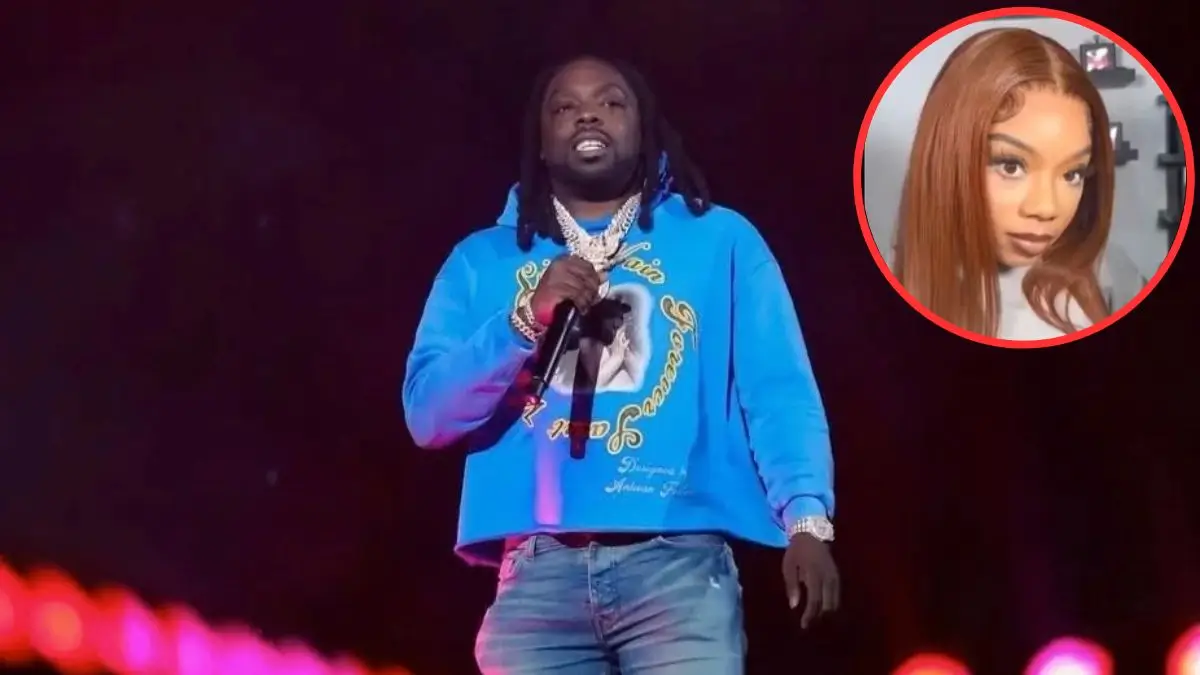
Young Scooter’s death has led to a reported indictment against Demetria “Demi Blanco” Spence, but the charge does not settle responsibility. The former Zeus Network “Baddies” personality is accused of making the false emergency report that brought Atlanta police to the property where Kenneth Bailey was staying. Bailey, known professionally as Young Scooter, died after injuring his leg while fleeing on March 28, 2025, his birthday. An indictment moves an accusation toward trial. It does not prove the caller’s intent, establish every detail of the police response, or give his family a complete accounting. That requires evidence tracing the emergency report through the encounter and the injury that ultimately killed him.
The Shade Room reported that Spence was indicted 17 months after her April 1, 2025, arrest. The reporting also identifies February as her expected court appearance, without supplying an exact date or year. That scheduling detail needs confirmation from the court docket before readers treat it as settled. Atlanta police identified the arrest charge as transmitting a false public alarm in an official arrest update. The department described an offense applicable when serious injury or death results from a public safety response. Spence was booked into the Fulton County Jail following her arrest. That booking records custody, not a finding of guilt. The indictment itself would establish the precise counts now pending. Spence remains presumed innocent unless prosecutors prove their case.
The emergency report described a domestic dispute at a home on the 200 block of William Nye Drive in Atlanta. According to the police account, the caller alleged that a woman had been beaten and dragged outside, and that several shots had been fired. Officers reported finding no evidence corroborating those claims at the scene. They encountered Bailey and another man instead. Lt. Andrew Smith told reporters, “Once officers arrived, they knocked on the door. A male opened the door and immediately shut the door on the officer.” That account describes the encounter’s opening, not its entire course. The social post below forms part of the public coverage of this case.
That post cannot substitute for the underlying dispatch record or officers’ recordings. According to police, both men fled through the back of the home, and the second man eventually returned. Bailey injured his left leg on a wooden fence and was found hurt. Officers rendered aid, police said, before he died at Grady Memorial Hospital’s Marcus Trauma Center. Smith attributed the injury to Bailey’s flight, explicitly denying that officers at the scene had inflicted it. The reported autopsy identified an arterial injury as the cause of death, and the death was ruled accidental. Those findings address the physical cause and manner of death. They do not, by themselves, determine whether anyone committed a crime or whether every police decision met department policy.
Spence offered a different account of why she sought help. During an Instagram Live, she said, “I’m a woman and I was physically abused multiple times.” That is her assertion, not an independently established finding. Neither an online statement nor an arrest resolves what happened before the call. Bailey’s family, meanwhile, described someone whose value extended beyond records with Young Thug, Kodak Black and Rick Ross. Their statement called him “a phenomenal father and mentor to a lot of Atlanta youth pursuing both sports and music.” They also remembered him as “their advocate and support system,” describing a role that depended on sustained personal involvement. Those relationships deserve space alongside the accusation now driving coverage. The video below is part of the public coverage surrounding his death.
Public coverage like that video belongs beside records, not in place of them. Emergency calls have shaped fatal encounters involving Black people long before this case. Tamir Rice was 12 when a Cleveland officer killed him in 2014. The caller had said the gun might be fake and Rice might be a juvenile; those qualifications were not relayed to responding officers. John Crawford III was killed by police inside an Ohio Walmart that same year while holding an air rifle sold there. These cases involved police gunfire, unlike Bailey’s reported death. The comparison concerns information: what callers report, what dispatchers transmit, and what officers verify before acting. A report of gunfire can shape officers’ expectations before they see anyone. Examining that process means separating the original allegation from what responders actually observed, rather than treating both as interchangeable evidence.
The indictment puts one caller under scrutiny; accountability still requires examining the entire emergency response.
A prosecution can punish a false alarm without answering every question about the response it triggered.
For Bailey’s family, a prosecution may offer a route toward answers, but it should not become a promise nobody can guarantee. A conviction would require proof of the charged offense, not simply proof that his death followed the call. An acquittal would not make the loss less real. Spence also has the right to contest the evidence without having her television persona treated as proof of dishonesty. The responsible position holds both truths together. Bailey’s children deserve an honest accounting, and the accused deserves a fair process. Grief should not have to compete with courtroom safeguards. Neither should prosecutors be allowed to present an arrest announcement as the finished explanation. Their theory must survive examination of the underlying evidence, including any material that contradicts the account authorities first presented publicly.
A prosecution can punish a false alarm without answering every question about the response it triggered. Investigators should preserve the original call, dispatch audio, available body camera footage and medical records, then establish how their timestamps align. Any recordings used as evidence need documented handling and authentication. Gaps should be identified explicitly, with explanations of whether material was never recorded, was unavailable or was withheld from public release. Reviewers should ask what officers knew when they approached, whether they pursued Bailey, and when they recognized his medical emergency. Those are questions, not allegations of misconduct. The same demand for verifiable institutional answers informs PVN’s coverage of the Cornell assault investigation. The next video adds public coverage, but it cannot replace those records.
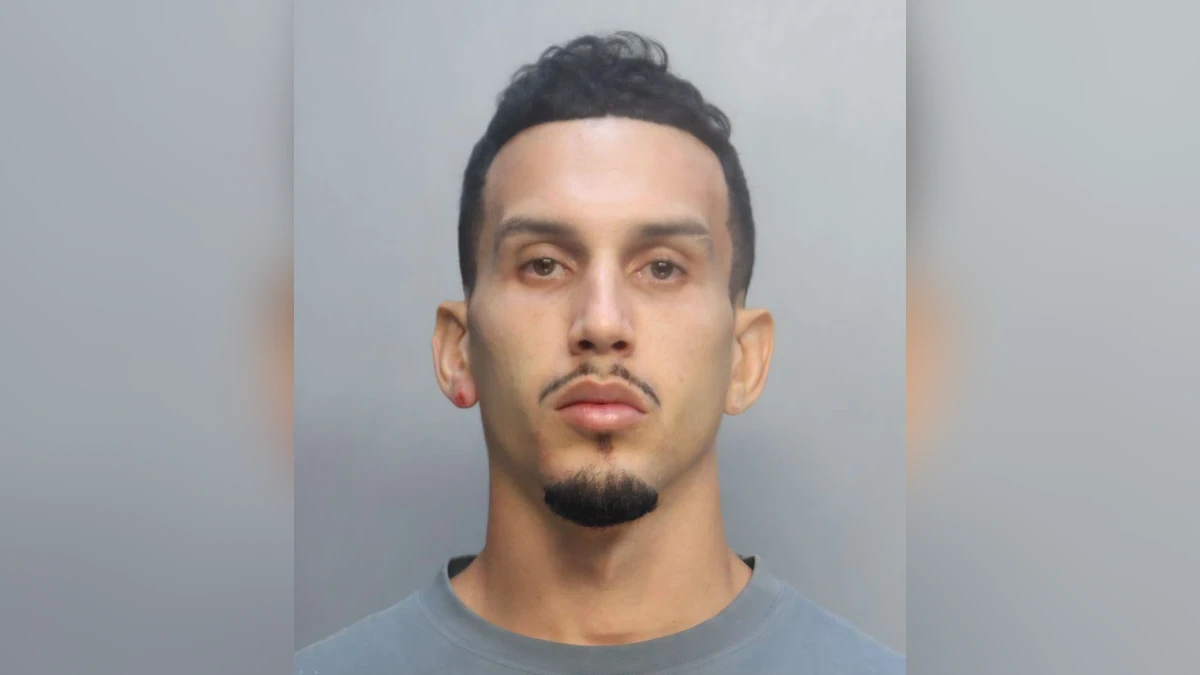
Whatever viewers conclude from that coverage, the audience has a responsibility not to turn suspicion into a verdict. The supplied reporting includes comments accusing Spence of arranging Bailey’s death. No evidence provided here establishes such a plan. Repeating that accusation as fact would manufacture a motive and potentially poison public understanding of the prosecution. An allegation that someone knowingly made a false report is not, by itself, evidence that the person planned a death. Mocking a booking photograph contributes even less. Readers who want justice can demand the indictment, follow hearings and distinguish sworn testimony from clips. That work is less satisfying than a comment section sentence handed down in seconds. It is also more useful to a family whose loved one cannot correct the record himself.
Black Atlanta knows the distance between an artist’s public visibility and the people who depend on him privately. Bailey’s family described mentorship and support, not merely celebrity access. That community role connects to the question behind PVN’s coverage of Lil Baby’s Hawks halftime appearance: what does Atlanta receive beyond entertainment? Here, the family’s answer was a father and an advocate for young people. Their remembrance places his work in sports alongside music, widening the picture of whom he supported and what his absence means. Coverage that reduces Bailey to a rapper who ran, or Spence to a reality television caricature, makes both easier to dismiss. Black readers deserve reporting that recognizes those pressures without inventing racial motives unsupported by the evidence.
Advertisement
The next useful development is a verified court record: the indictment, the scheduled hearing and any filings explaining the prosecution’s theory. The reported February appearance should be confirmed rather than endlessly recycled without a year. Watch whether the case establishes that the report was knowingly false and connects the response to Bailey’s death under the charged law. Separately, watch whether authorities release enough records to evaluate their own actions. An accidental death ruling does not answer those institutional questions, and an indictment does not erase them. The public should measure progress by what becomes provable, not by who becomes easiest to blame.
More from PowerVault Network: