Zora Neale Hurston Rap Contest: What Judges Want
By Renee Fontaine, PowerVault Staff The Zora Neale Hurston rap contest at East Tennessee State University’s Reece Museum now closes Monday, January 18, 2027. The extension gives artists more time to turn one of four a...
Advertisement

By Renee Fontaine, PowerVault Staff
The Zora Neale Hurston rap contest at East Tennessee State University’s Reece Museum now closes Monday, January 18, 2027. The extension gives artists more time to turn one of four approved tracks into an original song. Three of those tracks draw from recordings Hurston helped make in Georgia in 1935. The sample has to be central to the entry, so a quick drop at the top of a verse won’t do the job.
The four tracks came through Future Proof, a project that producer Nathan Blye and performer Josh Outsey brought to the museum’s Hip Hop Listening Room. Blye and his team spent eight months sorting through thousands of recordings. “Hip-Hop is taking scraps and making them shine,” Blye told the East Tennessean. Entrants get a shortlist, but the team that made it had to listen for what could work before anybody wrote a bar.
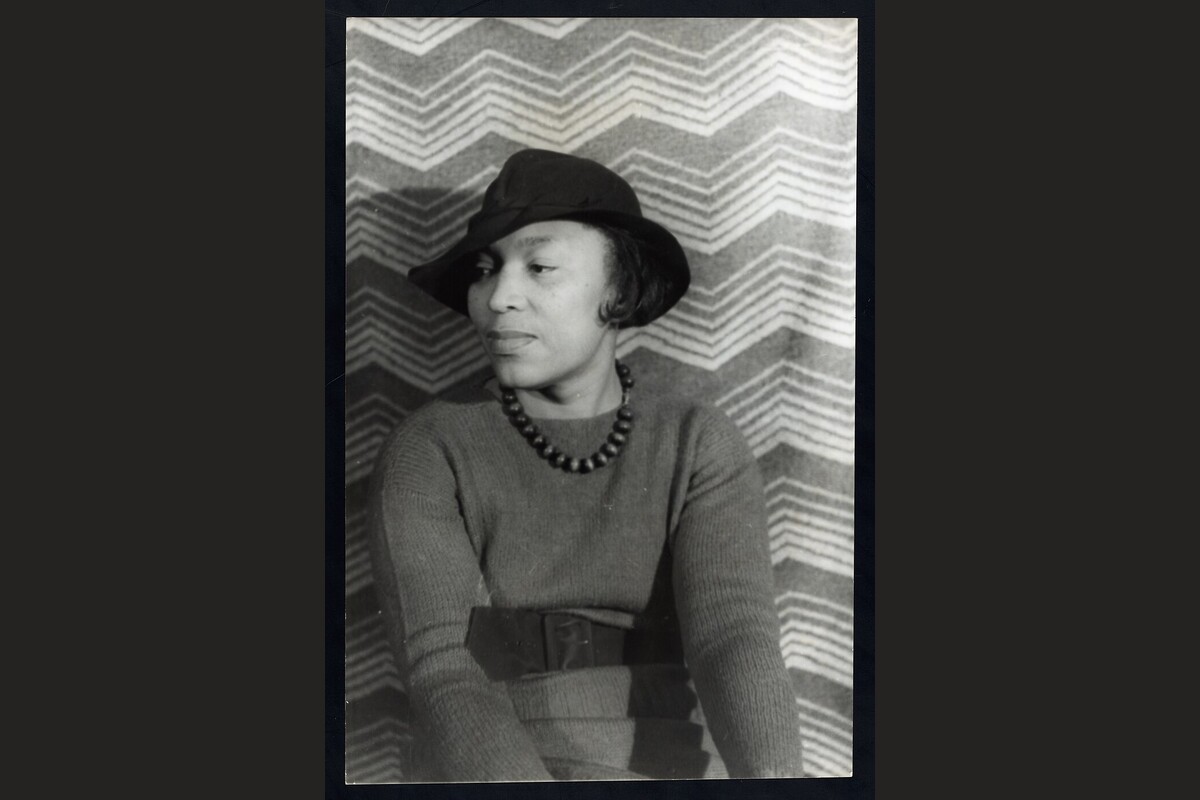
Hurston, Alan Lomax and Mary Elizabeth Barnicle recorded at Frederica on St. Simons Island, Georgia. John Davis and his group sang the material that became “Down Bad.” The performances behind “Favored” and “Ring a Ding” came from girls whose names aren’t listed in the archive. That gap is worth keeping in mind when the music hits. The video below is a place to pause and listen.
The Georgia material also includes church services, children’s games and interviews with Gullah speakers. That matters when the assignment asks an artist to connect with the people or places on the recording. A voice from a game and a voice from a service might both fit a beat. They weren’t doing the same thing before anybody sampled them.
“Cinema” takes the contest out of Georgia. Barnicle recorded the church congregation behind that track in Pineville, Kentucky, in 1938. That gives entrants another place and another recording to reckon with, not a fourth cut from the Hurston field trip. Before getting into what judges want on paper, there’s another chance to listen below.
The museum asks for a recording, written lyrics and a statement of 100 to 200 words explaining how the archival material shaped the song. Two to five minutes is the recommended runtime. Additional samples are off limits unless the artist has permission to use them. The Reece Museum’s resource page is a starting point for artists looking into the project. Anyone planning to release the finished song separately should confirm what’s cleared for that release rather than assume contest approval covers it.
Originality carries the most weight. Use of the sample ties with the quality of the lyrics and songwriting, and judges also score the connection to the people or places in the original recording. A practical test before submitting: mute the sample. If the song says exactly the same thing without it, the artist may have found a good loop without finding a reason to use this particular voice.
The archive can tell a rapper where the sound came from without telling them who made it.
PVN’s read: the statement gives the rapper room to explain a choice the beat alone can’t. An artist using “Down Bad” can say what they heard in John Davis and his group that changed the direction of a verse. An artist using “Favored” doesn’t need to guess who the girls were to write something specific. Start with what they did on the recording and explain what that made possible in the new song.
The archive can tell a rapper where the sound came from without telling them who made it. The collectors have names, the new artist gets a byline, and the girls can still reach a new audience without that audience knowing who they were. That’s a credit gap worth naming, even when nobody can fill it. PVN’s reporting on who gets credit for Atlanta Hip Hop asks a related question: whose contribution stays visible once the music travels?
For listeners, the payoff is a chance to hear the source and the new song as two separate performances. That takes access, a question PVN has also covered through who gets to hear Wu Tang Clan’s secret album. The cases are different, but the listening question applies here: can a verse send somebody back to the original voice? If it can, the archive has gained a listener who might never have gone looking.
The prize announced so far is a $100 gift certificate from Laced Up Cuts and Kicks. That’s worth putting next to the work the rules call for: writing, recording and documenting an original song. An artist deciding whether to enter should weigh the project on those terms. A track that’s already taking shape is one thing. Paying for a session just to chase the announced prize is another.
Advertisement
The museum plans to notify the winner by January 29 and put on a performance in February. That performance will be a chance to hear whether the strongest entry makes its connection plain without the written statement beside it. The real test is what happens after the verse ends: does anybody want to hear the people who sang first?
More from PowerVault Network: