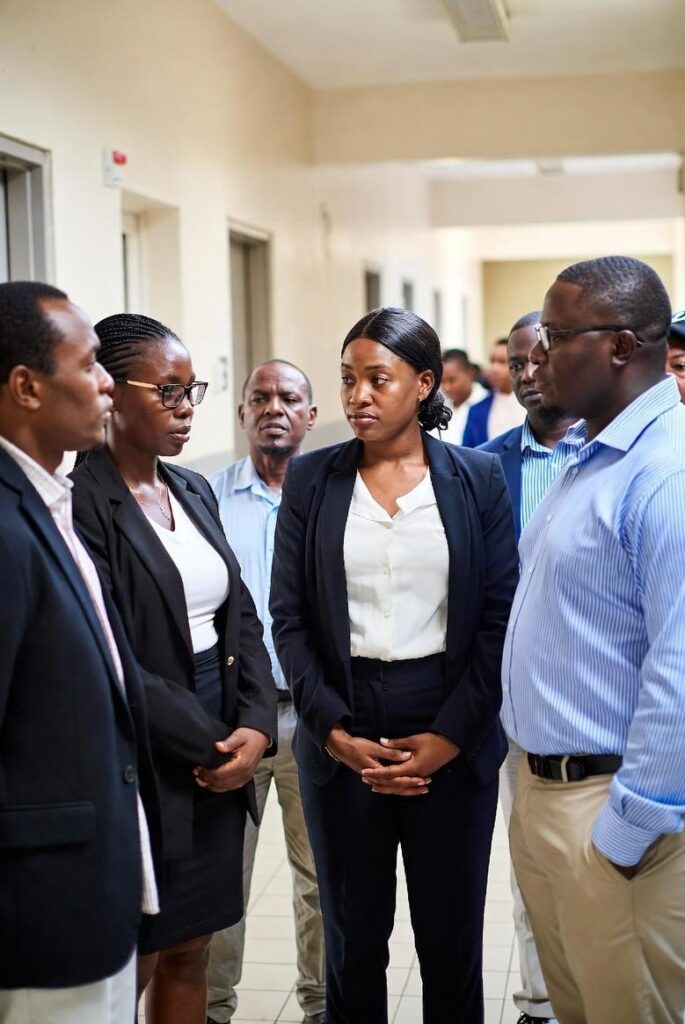
In recent years, the landscape of Black educators in America has shifted dramatically, driven by a growing backlash against diversity, equity, and inclusion (DEI) initiatives. From coast to coast, political movements have intensified, reshaping school policies and igniting debates over what can be taught in classrooms. Teachers—especially Black teachers—are now left grappling with the uncertainty of navigating these new restrictions. As they strive to provide quality education to their students, they must also contend with the fear of repercussions for discussing topics that are critical to understanding Black history and culture.
A recent February 2026 report from Word In Black sheds light on the challenges Black teachers face amidst the shifting tide. Many educators feel pressured to censor their own teaching, second-guessing their lesson plans out of concern for potential backlash. The implications are not just personal; they resonate deeply within the student communities that benefit from culturally relevant pedagogy. Without the ability to freely discuss issues of race and identity, students may miss out on critical conversations that foster understanding and empathy.
This growing climate of apprehension raises important questions about the role of educators in shaping young minds. As the state legislature debates new educational policies, the voices of Black educators must be amplified. They are not just teachers; they are cultural custodians who play a vital role in the development of inclusive narratives that reflect the diversity of American society. It’s essential to remember that the objective of education is not merely to convey information, but to empower students to think critically and engage with the world around them.
As the DEI backlash continues to gain momentum, it’s crucial for communities to rally behind their educators. The support of parents, students, and allies can help fortify teachers standing at the frontlines of this educational battle. Black teachers deserve to teach without fear of censorship, equipped with the freedom to inspire the next generation. In these turbulent times, their resilience and commitment to educational equity must be recognized and celebrated. The journey is fraught with challenges, but the fight for a fair and inclusive education is a fight worth undertaking.
About The Author