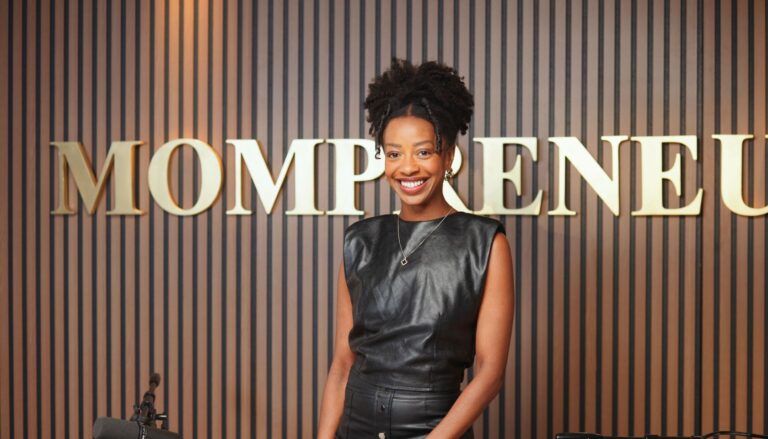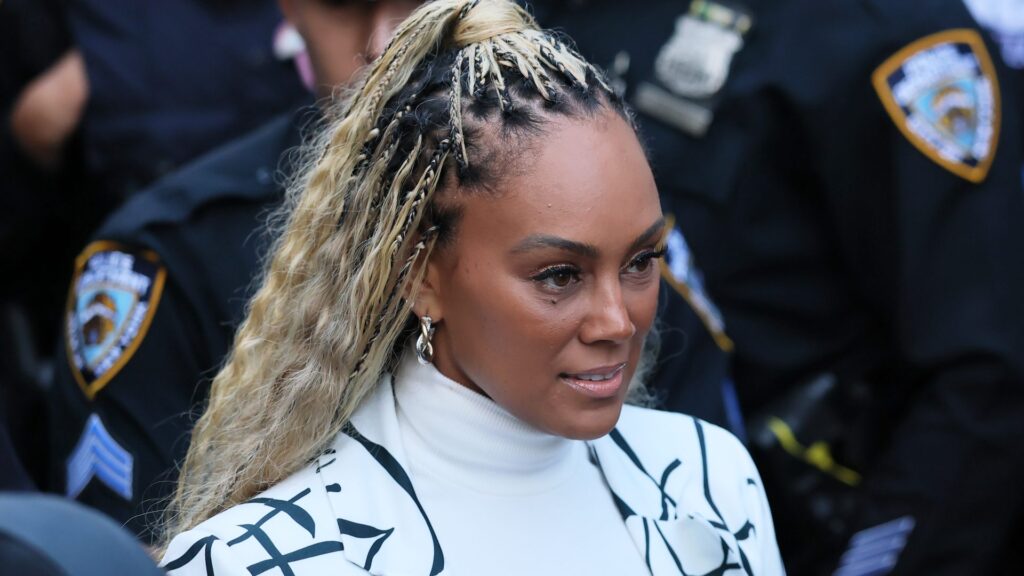
Cheyenne Bryant, a prominent figure in the wellness and self-help community, has recently found herself at the center of controversy regarding her academic credentials. In an age where the authenticity of qualifications is under the microscope, Bryant’s self-identification as “Dr.” sparked a heated debate about what constitutes legitimacy in the world of mental health and wellness. Social media erupted with calls for transparency and verification, prompting Bryant to address her critics head-on, asserting that she has indeed earned her title through hard work and dedication.
In her response, Bryant emphasized the value of her experiences and the informal education that has shaped her approach to wellness and mental health. She highlighted the importance of lived experience and real-world application, suggesting that traditional degrees do not necessarily encompass the breadth of knowledge one can gain through personal struggles and triumphs. It’s a perspective many in the community can resonate with, especially as conversations around mental health and self-care continue to evolve.
Moreover, Bryant’s stance raises broader questions about the standards we place on professionals in industries that often lack uniformity in credentialing. Many of us have encountered individuals who, despite lacking formal qualifications, possess an innate understanding of cultural nuances and life experiences that can significantly impact their effectiveness in helping others. Bryant’s call to recognize this form of expertise resonates deeply within the Black community, where storytelling and personal narratives often hold as much weight as academic accolades.
As she continues to navigate the backlash, Bryant’s journey serves as a reminder of the ongoing need to dismantle the rigid barriers of traditional education. While accountability is essential, so is the understanding that knowledge can come in many forms. Cheyenne Bryant’s story encourages us to rethink how we define expertise and to honor the diverse paths people take in their pursuit of knowledge and healing. In a world where credentials can sometimes overshadow the person behind them, perhaps it’s time to embrace a more inclusive understanding of what it means to be a healer, teacher, and guide.
From The Source
About The Author