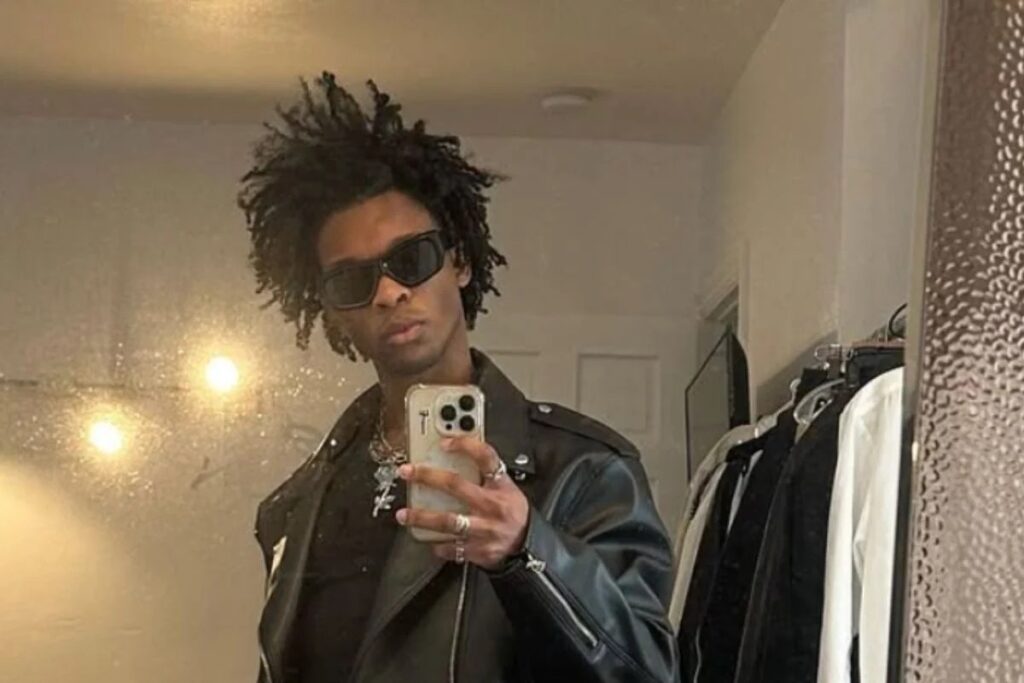
In a shocking turn of events, the rising Hip Hop artist D4vd found himself in a Los Angeles courtroom this past Monday, pleading not guilty to the murder of 14-year-old Celeste Rivas Hernandez. The case has captured not only the attention of the music world but also that of the broader community, as it raises pressing questions about youth violence and the criminal justice system. D4vd’s lawyer, in a bold statement to the judge, argued that the evidence against his client was circumstantial and that the prosecution had failed to establish a clear motive. This claim, though contentious, reflects the ongoing complexities surrounding fame, youth, and the law.
As the courtroom buzzed with anticipation, supporters and critics filled the gallery, illustrating the deep divide in public opinion regarding D4vd’s case. Many fans have taken to social media to voice their support, echoing sentiments that celebrities often become scapegoats in sensationalized narratives. Meanwhile, others are adamant that accountability is paramount, especially in cases involving a young victim like Hernandez. The tragic loss of life has ignited a wider discussion on the safety of children in urban environments, making the stakes all the more critical in this high-profile trial.
Witness testimonies and evidence details remain closely guarded, but whispers of inconsistencies in the timeline of the events leading up to Hernandez’s death have begun to surface. D4vd’s team is expected to challenge the prosecution’s narrative, raising doubts about the reliability of their witnesses and the clarity of key pieces of evidence. As the trial progresses, the arguments laid out by both sides will be scrutinized not just for their legal merits, but also for their broader implications on hip-hop culture and the future of artists navigating the harsh realities of fame.
This isn’t just a legal battle; it’s a pivotal moment that encapsulates the intersection of art and the often unforgiving justice system. As we await further developments, the hip-hop community holds its breath, hoping for justice not just for Hernandez but for D4vd, who now stands on the precipice of a life-altering verdict. The outcome of this case may very well redefine narratives surrounding the responsibility of artists and the consequences that can arise in their wake, serving as a grim reminder of the fragility of life amidst the glittering façade of fame.
About The Author