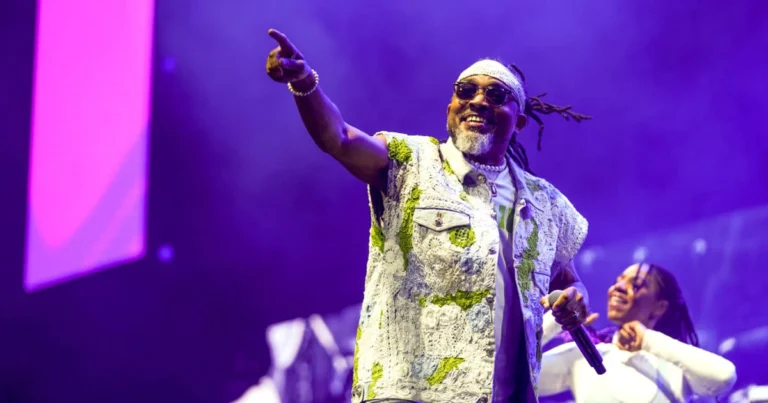
In a move that’s sending ripples through the already turbulent waters of hip-hop’s legacy, Daz Dillinger has filed a lawsuit against Tupac’s estate, claiming he is owed unpaid royalties for his contributions during the late rapper’s career. Dillinger, who was an integral part of the Death Row Records family, asserts that the financial discrepancies have reached a boiling point, with allegations that his cousin, Snoop Dogg, is also entangled in the mix regarding the label’s funds. It seems that the shadows of Death Row’s storied past are more than just fading echoes; they are now leading to a family feud that has both personal and professional stakes.
Daz’s lawsuit highlights the often murky waters of royalty payments that many artists face, particularly those from the golden era of hip-hop where contracts were sometimes more about trust than transparency. With 2Pac’s music still being a cultural touchstone nearly three decades after his passing, the fight for what is rightfully owed feels not only personal for Dillinger but emblematic of the struggles many artists face in reclaiming their legacies. As streams of 2Pac’s classics continue to flow, the question remains: who truly benefits from the music created during those revolutionary times?
Meanwhile, the tension between Daz and Snoop—a legendary duo once revered as the face of West Coast hip-hop—is spilling over into public view. Their once unbreakable bond now appears frayed, adding another layer of drama to an already complex history. This family squabble raises eyebrows, especially as fans wonder whether the financial issues surrounding Death Row Records are simply a microcosm of larger systemic issues facing artists in the industry today.
As the case unfolds, it serves as a stark reminder of the importance of artist rights and the management of their legacies. While 2Pac’s music continues to resonate with new generations, it’s essential to acknowledge the people who contributed to that legacy. For many artists, the fight for what’s theirs isn’t just about money; it’s about respect and recognition in a world that too often forgets the sacrifices made for art. Daz Dillinger’s claim is more than a legal battle; it’s a wake-up call for the music industry to reevaluate its treatment of artists and their families as enduring contributors to culture.
From The Source
About The Author