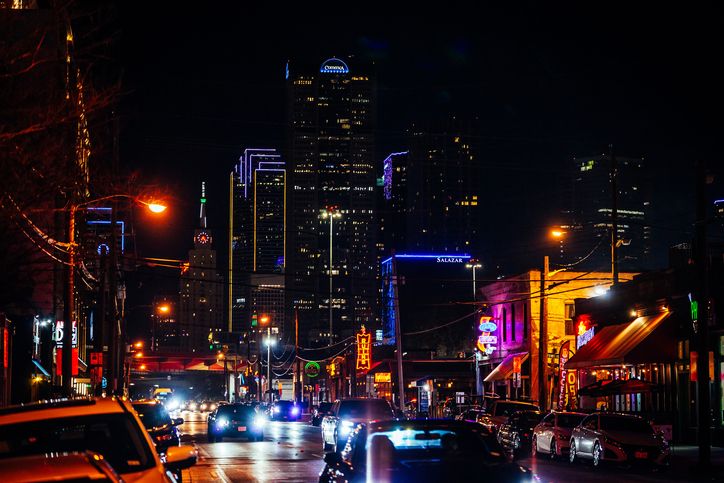
Deep Ellum was once a vibrant epicenter of Black culture in Dallas, a place where music, art, and community thrived. Its streets pulsed with the sounds of jazz and blues, echoing the legacies of legendary artists who shaped American music. However, the heartbeat of Deep Ellum began to fade as urban planning, steeped in racism and neglect, systematically dismantled this cultural haven. The very policies designed to shape the future of the city often obliterated the rich histories and contributions of Black communities, leaving a gaping void where culture once flourished.
The transformation of Deep Ellum was not merely a shift in architecture or commerce; it represented a deliberate erasure of a community’s identity. As gentrification took hold, the original inhabitants were pushed out, their homes and businesses replaced with sterile, upscale developments that bore no resemblance to the vibrant neighborhood that once thrived there. This process was not a natural evolution but a calculated strategy that prioritized profit over people, obliterating the very essence of what made Deep Ellum a cultural landmark.
In confronting the loss of Deep Ellum, we must reckon with the stark realities of urban planning that prioritize economic gain over inclusivity. The legacy of this historic community serves as a reminder of the ongoing struggles against systemic racism in our cities. As we move forward, it is crucial to honor the history of places like Deep Ellum and advocate for policies that uplift and preserve the cultural identities of marginalized communities instead of erasing them. Reclaiming the narrative of Deep Ellum is not just about remembering the past; it’s about ensuring that future generations have a space to celebrate their culture and heritage.
About The Author