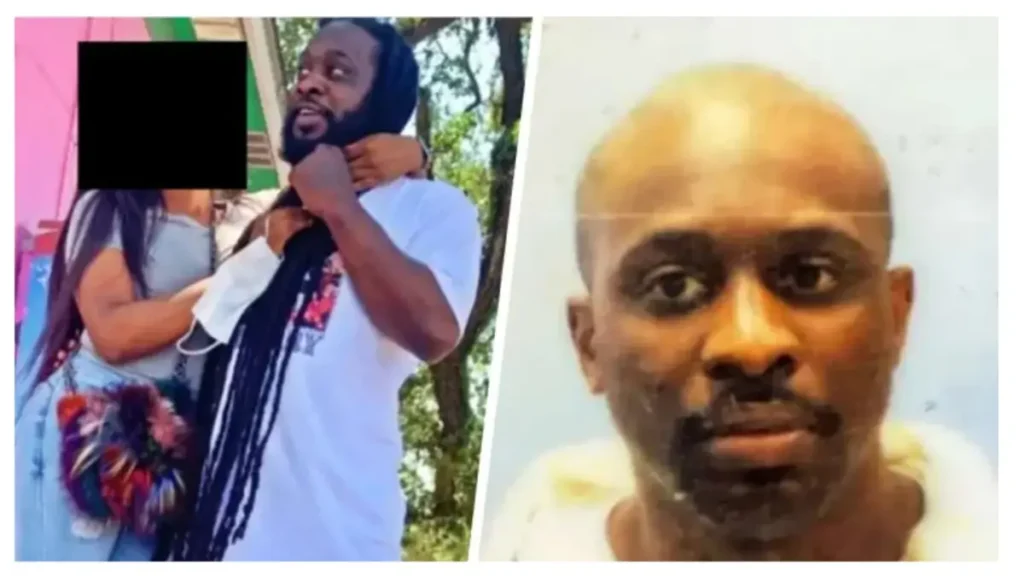
The U.S. Supreme Court has made a striking ruling regarding the treatment of incarcerated individuals, affirming that a former Louisiana inmate’s rights were violated when prison guards forcefully cut off his locs. This case underscores the ongoing debate about personal identity and autonomy within the penal system, particularly for those whose cultural and religious beliefs dictate specific styles of hair. The decision reflects a significant acknowledgment of the infringement on the inmate’s rights as a Rastafarian, yet it falls short in terms of accountability, as the Court has ruled he cannot seek monetary damages for the violation he endured.
In a world where every individual’s right to self-expression is increasingly recognized, the Supreme Court’s ruling raises serious questions about the physical and emotional impacts of such violations. The man, who was handcuffed to a chair during the incident, suffered not only a physical alteration of his appearance but also a deep psychological wound that comes with such a blatant disregard for his cultural identity. The Court’s acknowledgment of the violation is a step in the right direction, yet it highlights a troubling gap in justice when victims of such acts are denied the opportunity to seek redress.
This situation encapsulates a broader issue within the corrections system, where power dynamics often lead to severe infringements on personal rights. The inability to hold prison officials accountable for such abuses reinforces a culture of impunity that can flourish behind bars. As society grapples with issues of justice and reform, this case serves as a critical reminder of the need for systemic change to protect the rights of all individuals, regardless of their circumstances.
About The Author