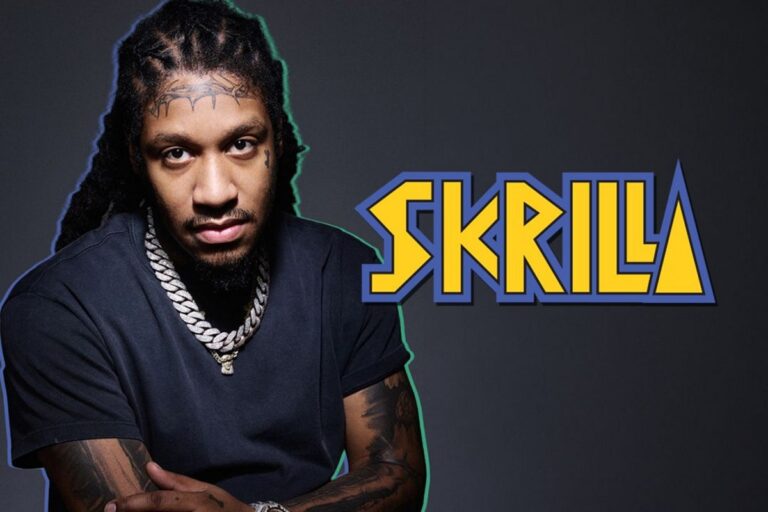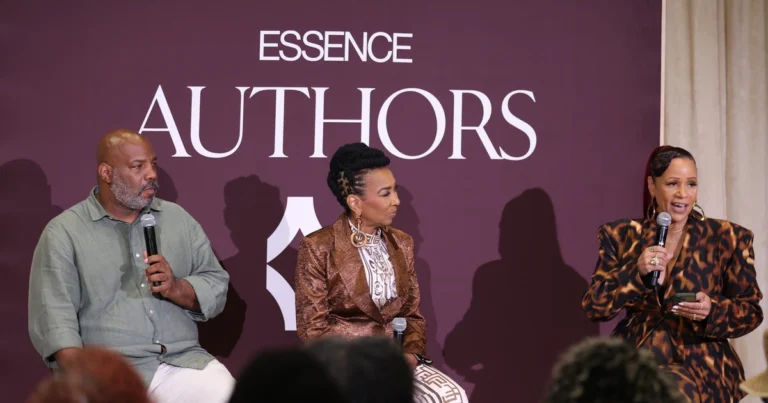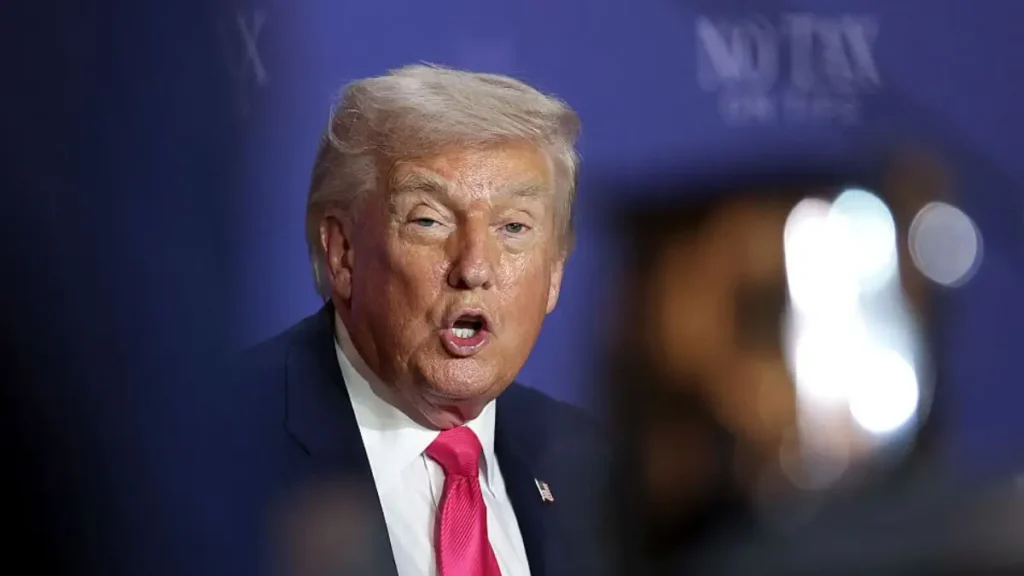
In a recent social media post, former President Donald Trump shared an image portraying what he intended as a moment of healing and support. The scene featured an individual in a hospital bed, surrounded by family, a visual meant to radiate comfort and warmth. However, instead of focusing on the intended message, viewers quickly honed in on one peculiar detail that had them doing a double take. Nestled in the corner of the frame was a well-known face—one that raised eyebrows and sparked a wave of commentary across social platforms.
As comments poured in, social media users expressed a range of reactions. Some were puzzled, questioning how this well-known figure ended up in such an intimate setting. Others took a more humorous approach, crafting memes and jokes that highlighted the absurdity of the situation. For many, this unexpected twist shifted the focus from the healing aspect Trump aimed to portray to the sheer enigma of celebrity presence in what was meant to be a private moment.
This curious incident speaks volumes about our current media landscape, where the unexpected seems to garner more attention than the intended message. In a world saturated with heavy news cycles and serious issues, the interplay between politics and culture often results in these bizarre collages of imagery and meaning. Viewers are quick to latch onto anything that provides a moment of levity, even if it means overlooking the deeper narrative at play.
As the memes spread like wildfire, the collective consciousness resonated with the idea that sometimes, it’s the unexpected details that catch our eye and leave the most significant impact. In this case, the image became a cultural talking point, reminding us of how quickly narratives can shift in today’s digital age. The ‘healing’ scene, which was meant to symbolize unity and support, morphed into a comedic spectacle, showcasing our undeniable thirst for the absurd amid the gravity of the world around us.
About The Author