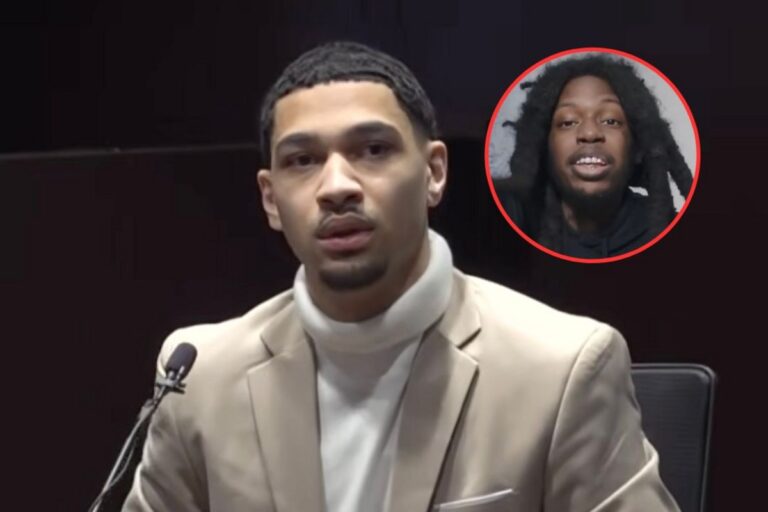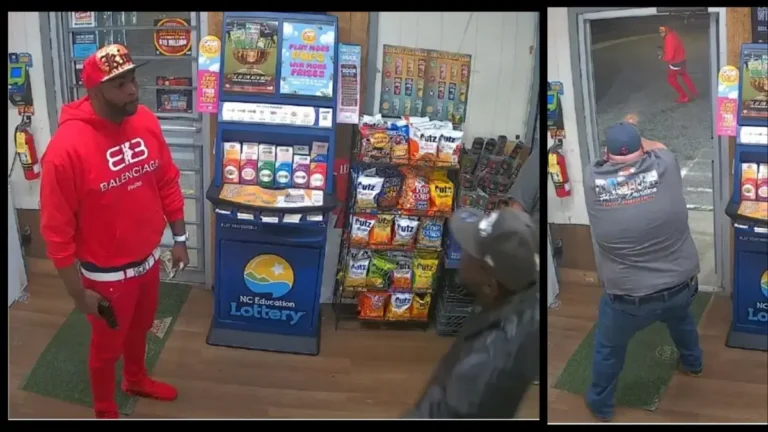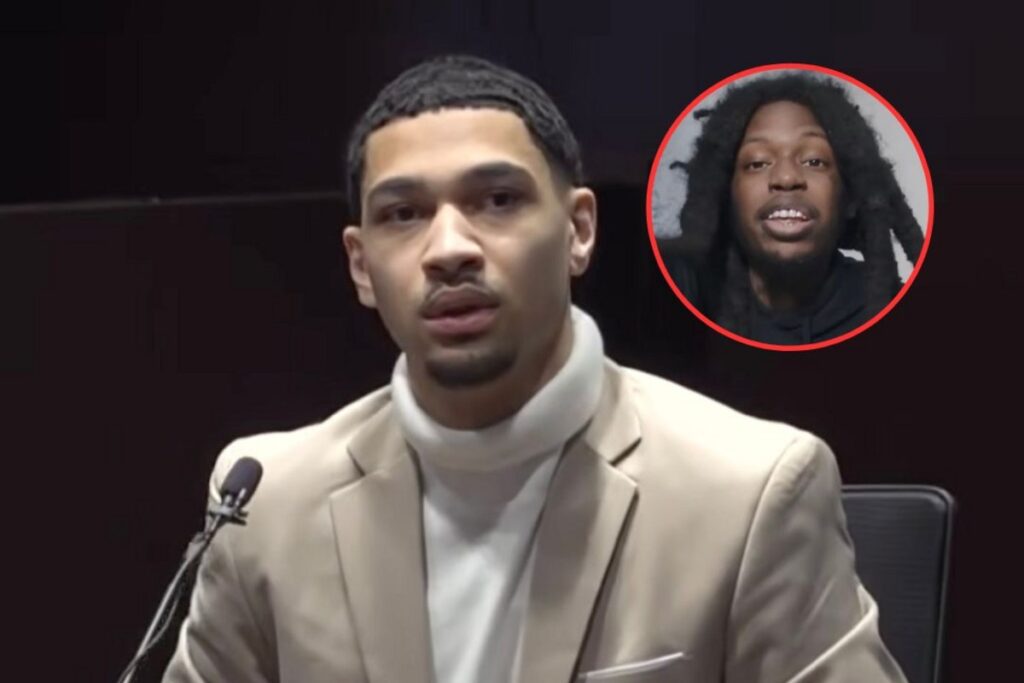
In a surprising turn of events, the individual responsible for the death of rising rap star Julio Foolio has publicly expressed remorse to the rapper’s family ahead of his sentencing. This poignant gesture comes in the wake of a violent crime that has been a stark reminder of the harsh realities facing many artists in the Hip Hop community. Foolio, known for his raw and authentic storytelling, had garnered a dedicated following, and his untimely demise sent shockwaves through his fans and peers alike.
The apology, which some might view as too little too late, highlights the ongoing struggle between the realities of street life and the aspirations of Hip Hop artists. As the court prepares to deliver a sentence, emotions are running high, not just for the families involved but also for the entire community that feels the impact of such tragedies. Foolio’s family, understandably heartbroken, is left grappling with the loss of a talented voice that was just beginning to make waves in the industry.
This incident raises important questions about accountability and the role of forgiveness in the aftermath of violence. While some may argue that an apology cannot undo the harm caused, it signifies a step toward acknowledging the pain inflicted on others. As the Hip Hop community continues to wrestle with the consequences of gun violence, such moments of reflection remind everyone involved of the human cost behind the headlines.
As sentencing looms, it’s crucial to remember that behind the often glamorized facade of rap culture lie real families, dreams, and lives that are deeply intertwined. Julio Foolio’s story serves as a tragic chapter in a larger narrative that demands attention and understanding. The Hip Hop community, while celebrating the artistry it produces, must also confront the realities that come with it, advocating for a future where creativity can flourish without the shadows of violence hanging overhead.
From The Source
About The Author