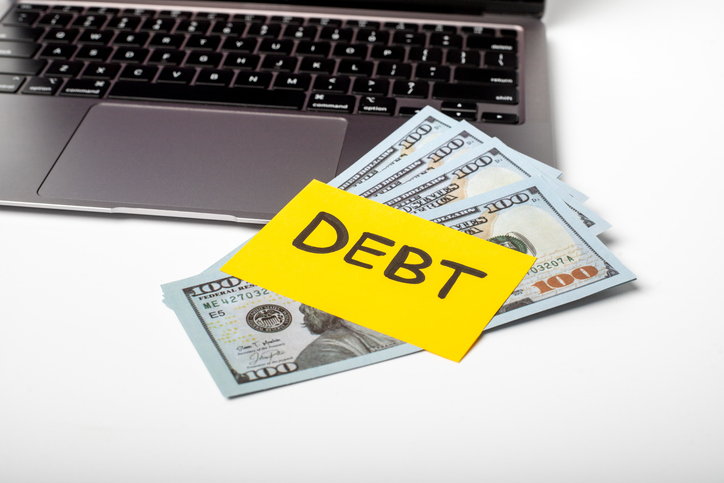
The ongoing conflict in Iran has cast a long shadow over the U.S. economy, creating ripples that many households are feeling in their wallets. As energy prices soar, the Consumer Price Index has surged to levels we haven’t seen since May 2023, placing a heavy burden on everyday Americans. The rising costs of essentials, from groceries to gas, have led to an alarming rise in household debt as families scramble to keep up with their financial obligations. With inflation eating away at purchasing power, the strain on budgets has never felt sharper.
Inflation is a complex beast, influenced by a myriad of factors, but the current geopolitical tensions are undeniably at the forefront. The war in Iran has disrupted not just energy supplies but also sent shockwaves through global markets, affecting everything from oil prices to consumer sentiment. For many, the reality of increasing prices means relying more heavily on credit cards and loans just to maintain their standard of living, which can create a cycle of debt that feels impossible to escape. It’s a troubling trend that underscores broader systemic issues within our economy.
In the world of hip-hop and entertainment, this economic strain is reflected in the narratives artists tell. Many use their platforms to highlight the struggles of their communities, addressing topics of financial hardship, systemic injustice, and resilience. The rise in household debt and the pressures of inflation are not just abstract economic figures; they impact real lives and shape the stories we hear in our music, movies, and beyond. The cultural response to these challenges has the potential to foster solidarity and encourage dialogue about solutions.
As the situation evolves, it’s crucial for policymakers to address the underlying causes of inflation and its disproportionate impact on marginalized communities. Increased support for initiatives that promote economic stability and financial literacy could empower families to make informed decisions and navigate these turbulent times. The intersection of politics, culture, and economics is profound, and as we witness the fallout from international conflicts, it’s vital to remain aware of how such events shape our everyday lives. In a world where every dollar counts, understanding the implications of rising debt and inflation is more important than ever, not just for individuals but for society as a whole.
From The Source
About The Author