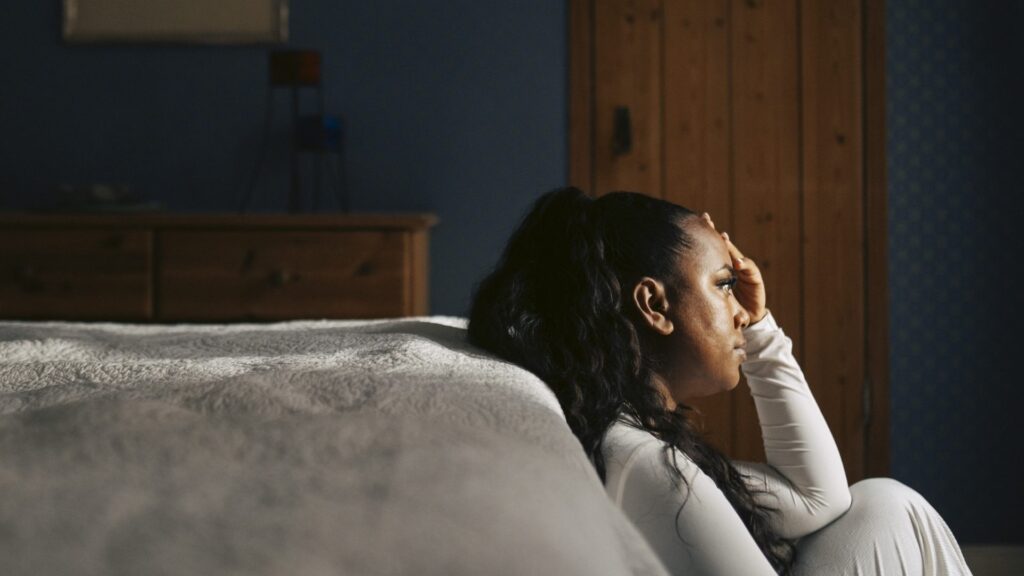
Growing up as a Black girl in New York City during the vibrant yet tumultuous 1980s, I was surrounded by a complex tapestry of culture and identity. The air was thick with the scent of revolution and change, yet beneath the surface, there lingered an expectation—a stereotype that loomed over me like a shadow. As I ventured into adulthood and eventually into marriage, I found myself grappling with the fear of becoming a statistic, a single Black mother. This fear was insidious, wrapping itself around my mind and heart, leading me to endure an abusive relationship for far longer than I should have.
The societal narrative often paints single Black mothers in a negative light, portraying them as failures or victims of circumstance. I internalized this narrative, believing that leaving my abusive marriage would only reaffirm those stereotypes. I feared judgment, not just from my community, but from myself. How could I face the world as a single mother? Would I be seen as weak, a burden, or worse? These questions echoed in my mind, amplifying my unwillingness to break free from a cycle of pain. I convinced myself that staying in a toxic marriage was a better option than risking the stigma of being a single mother, even though my reality was filled with emotional turmoil and fear.
As time passed, I began to understand that my fear was rooted in a broader societal issue. Many of us are taught to prioritize appearances over our well-being, especially within the Black community. The pressure to uphold a strong, united family image can be suffocating, particularly for women who often bear the brunt of that expectation. I realized that I was not just fighting against my circumstances, but against a long-standing narrative that failed to recognize the complexities of our experiences. This revelation was both liberating and painful, as it opened my eyes to the reality that I had been conditioned to believe in a false dichotomy—I could either stay silent and endure, or I could risk everything for my freedom.
Eventually, I found the strength to leave my abusive marriage, not just for myself but for the generations to come. I understood that breaking free from the chains of abuse would allow me to redefine success on my own terms. The journey to healing was not easy, but I discovered a newfound sense of empowerment as I embraced my identity as a Black woman, no longer constrained by the fear of societal expectations. My story is just one of many, but it serves as a reminder that we must challenge the stereotypes that seek to define us. By sharing our truths, we can foster a deeper understanding of the resilience and strength within our community, one that transcends the limiting narratives that have been imposed upon us.
About The Author