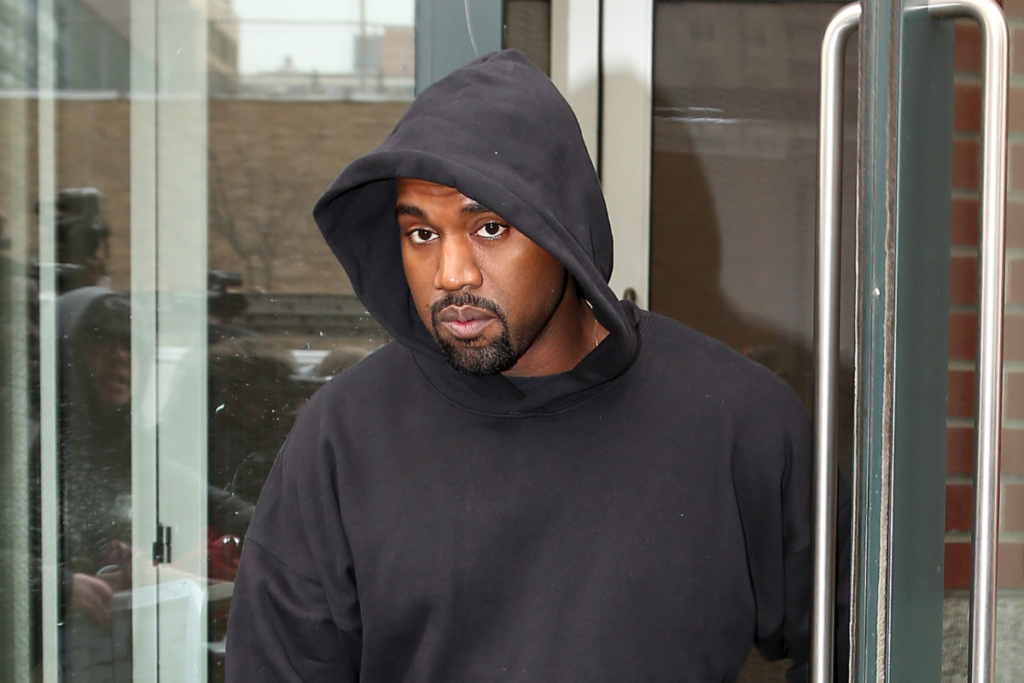
Kanye West, known for his provocative statements and unparalleled artistry, has decided to postpone his highly anticipated concert in Marseille, France. The news comes in the wake of mounting pressure and potential legal ramifications due to his controversial remarks regarding antisemitism and his recent expressions of admiration for Nazi ideology. France, a country with a painful history in regard to antisemitism, has made it clear that they would not stand idly by while dangerous speech rears its head in public forums, especially from a figure as influential as Ye.
While Kanye’s music continues to resonate globally, his recent comments have left a bitter taste that overshadows his artistic legacy. Many fans were eager to see him perform, but the growing backlash has raised serious questions about accountability and the power of spoken words. The French government’s potential actions serve as a reminder that art and speech do not exist in a vacuum; they are subject to societal norms and the collective conscience of a community that has seen too much hate due to similar ideologies.
In the past, Kanye has often been unapologetically himself, unafraid to push boundaries and challenge societal norms. However, the reaction to his more recent statements has forced him into a corner, where the ramifications of his words are laid bare for all to see. The postponement of his concert is just one instance where the balance between artistic freedom and social responsibility is being critically examined. While some of his fans might see this as an unfair setback, it highlights the importance of conscious communication in today’s world.
This situation also raises questions about the responsibility of artists in shaping societal norms. As someone who has a significant platform, Kanye has the potential to influence the conversation around sensitive topics. The fact that he is now facing consequences for his statements should spark a dialogue about how artists can best use their voices for positive change. In an era where social media amplifies every word, artists like Kanye must navigate their influence with care.
As the world watches, it’s clear that the response to Kanye’s remarks will echo far beyond the concert halls and into the broader discourse surrounding race, identity, and the responsibilities that come with fame. The postponement of his Marseille concert is not just a logistical decision; it serves as a pivotal moment for reflection in the intersection of music, culture, and ethics. Perhaps in this pause, there’s an opportunity for growth and understanding, not just for Kanye, but for all of us who engage with art in a world still grappling with its past.
About The Author