By Renee Fontaine, PowerVault Staff
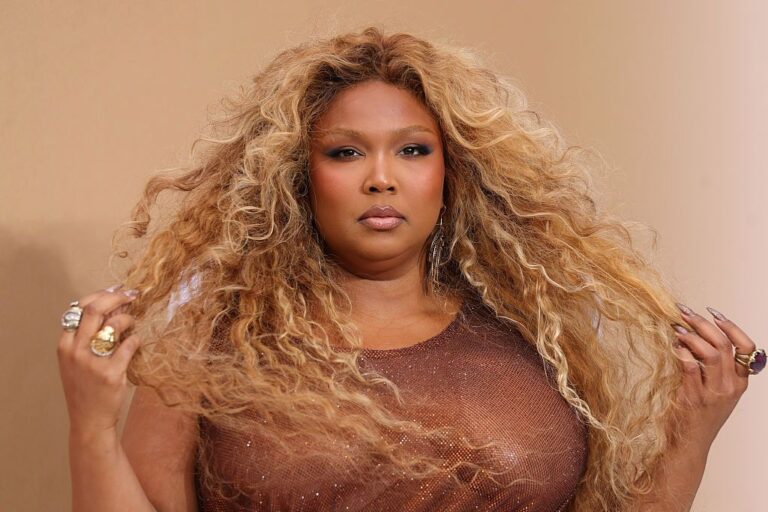
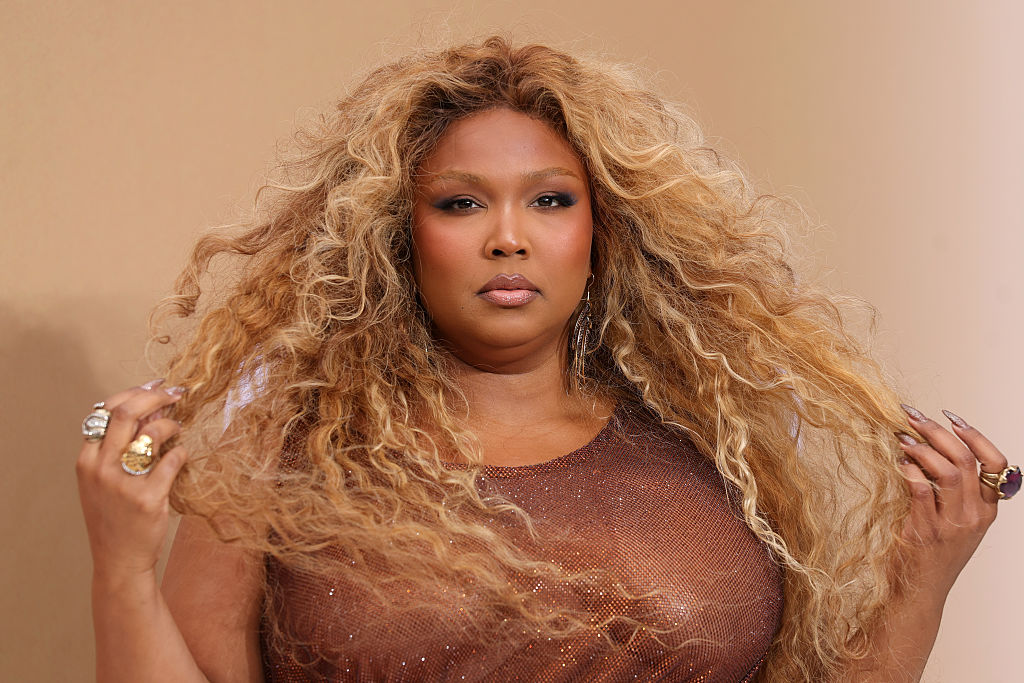
When Lizzo revealed her recent 50-pound weight gain, it ignited conversations that go beyond celebrity gossip and into the very core of health, self-acceptance, and the complexities of veganism. The moment she candidly shared her experience, she not only opened a window into her personal journey but also peeled back the layers of the deceptive narratives surrounding wellness culture, particularly the vegan lifestyle.
For many, including Lizzo, the journey to veganism is often cloaked in idealism. We’re led to believe that transitioning to a plant-based diet is an immediate ticket to health, vitality, and even societal approval. Yet, what Lizzo’s weight gain reveals is the harsh truth: veganism is not a one-size-fits-all solution. The education around what it truly means to be vegan is often lacking, leading many to fill their plates with processed foods that are plant-based but nutritionally void. It’s a lesson we’ve seen echoed in our communities, where the pursuit of a healthy lifestyle can sometimes result in misguided choices that do more harm than good.
Lizzo’s situation is a powerful reminder that wellness culture often equates thinness with health, perpetuating harmful stereotypes, especially within Black communities. For years, we have been told that being vegan or adopting certain diets is synonymous with self-care and empowerment. However, Lizzo’s experience brings to light the misleading narrative that one must look a certain way to be healthy. It raises questions: Who defines wellness? Why do we let external standards dictate our bodies and our worth? The dialogue surrounding weight gain should not be shrouded in shame but rather recognized as a part of the diverse spectrum of human experience.
In reflecting on past moments, we can draw parallels to the backlash against artists like Janet Jackson after her weight fluctuations. Both Janet and Lizzo remind us that public figures are held to unrealistic standards, causing them to navigate the immense pressure of societal expectations. Jackson’s Super Bowl incident wasn’t just about the wardrobe malfunction; it was about the scrutiny she faced as a woman of color in the industry. Lizzo’s vulnerability presents a similar challenge, illustrating that regardless of success, the weight of societal judgment can be crushing.
As we move forward, it’s essential to deconstruct the narratives surrounding veganism and wellness. We must champion a more holistic understanding of health that celebrates our bodies as they are, rather than how they should appear. The ongoing conversation sparked by Lizzo’s revelation is a pivotal moment for our culture. It invites us to reevaluate what we deem healthy and encourages a deeper exploration of our relationships with food, body image, and self-love. Let’s watch closely as more artists and influencers share their truths, and perhaps, we can begin to shift the narrative toward one that embraces authenticity over perfection.
About The Author