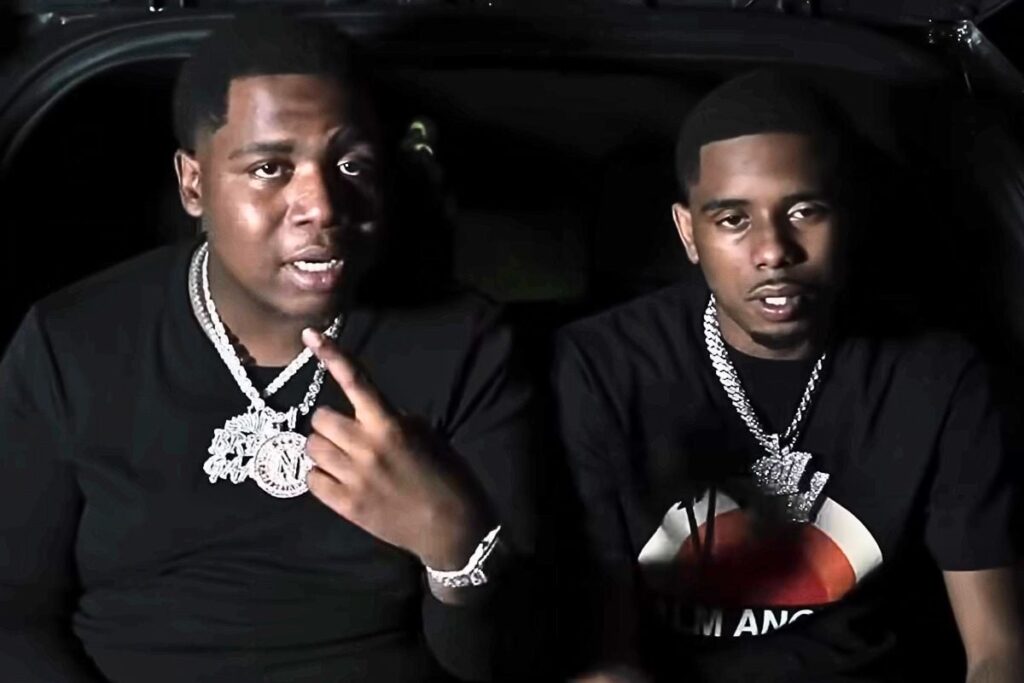
As the legal battles continue to unfold in the case of Pooh Shiesty, his father has recently stepped into the spotlight, expressing firm skepticism regarding the government’s attempts to keep the rapper behind bars. In a world where perceptions often skew reality, Pooh’s dad argues that the federal case against his son is built on flimsy evidence and circumstantial claims, painting a picture that seems more like a narrative concocted by prosecutors than a solid case rooted in fact. Meanwhile, Big30, a close collaborator and friend, finds himself entangled in similar legal woes, echoing the sentiment that the theories presented by the government lack depth and substance.
The debate surrounding bond applications can often feel like a lengthy tug-of-war, especially when weighty accusations hang in the balance. Shiesty’s father has been vocal, asserting that the prosecution’s argument appears profoundly underwhelming when scrutinized closely. This is a familiar narrative within the hip-hop community—one where artists face the repercussions of their surroundings, and it seems that Pooh Shiesty’s case is no different. Both he and Big30 are determined to showcase that the allegations against them are not only overstated but also rely on a shaky foundation that could easily crumble under the pressure of thorough examination.
As the legal team for Pooh Shiesty prepares to challenge the government’s claims in court, there’s a lingering hope that justice will prevail. Hip-hop has long been a reflection of the struggles faced by those within its culture, and this situation further highlights the systemic issues at play. The commitment from both fathers and friends to fight the allegations signals a broader commentary on the way young Black men are often treated within the legal system, where their words and art are weaponized against them.
Attorneys argue that the instances cited by prosecutors—ranging from social media posts to anecdotal evidence—fall drastically short of justifying the severity of the charges. As Pooh Shiesty and Big30 look to regain their freedom and reclaim their place within the music scene, their battle symbolizes a much larger struggle against the racial and social injustices that frequently marginalize voices in hip-hop. The outcome of this case is not just about one rapper; it represents a pivotal moment that could influence how the legal system interacts with the culture they embody.
About The Author