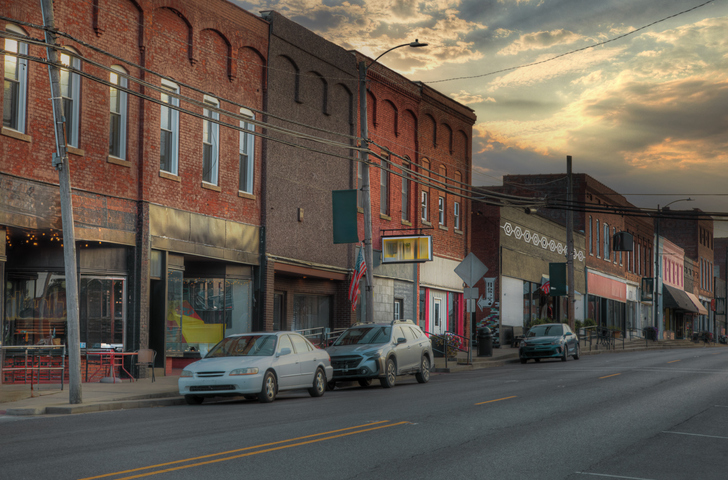
As night fell across America, many towns transformed into perilous landscapes for Black men and women, forcing them to flee under the cloak of darkness. Known as sundown towns, these communities explicitly enforced racist policies that made it clear: being Black after sunset was akin to signing a death warrant. While some might think these practices belong to a distant past, the legacies of sundown towns resonate deeply within the fabric of Black American history and identity.
Among the most infamous sundown towns was the town of Marion, Indiana, where the local populace maintained a strict, violent enforcement of its unwritten laws against Black residents. Notorious for the lynching of a Black man in the 1930s, Marion offered a haunting glimpse into the brutality Black Americans faced, not just from the law, but from their fellow citizens as well. These communities thrived on fear, creating a palpable sense of danger that reverberated through Black families, shaping their lives and choices.
Although many of these towns have since transformed, the scars they left are still visible. The legacy of these hostile environments continues to influence discussions about race in America today, reminding us of the socioeconomic disparities rooted in systematic racism. Understanding the history of sundown towns provides crucial context for the ongoing struggles against racial injustice, giving a voice to those who suffered in silence and paving the way for future generations to confront these ugly truths.
As we reflect on the painful chapter of sundown towns, we are compelled to acknowledge not only their existence but the resilience of the Black community. The stories of those who navigated these treacherous landscapes remind us of a shared history that should never be forgotten. By shedding light on the injustices of the past, we honor the sacrifices made by countless individuals and strive towards a more equitable future, one where color does not dictate safety or belonging. The impact of these sundown towns continues to shape our narrative, urging us to remain vigilant in the fight for justice and equality.
About The Author