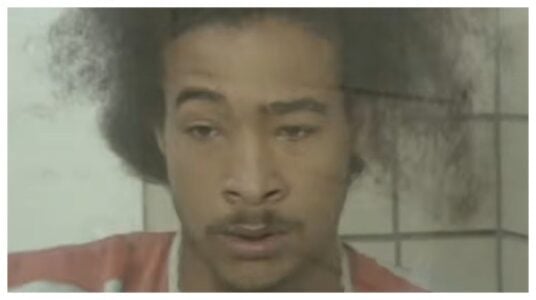
In a significant legal and cultural moment, the scheduled execution of James Broadnax in Texas has raised intense scrutiny and sparked a nationwide conversation about the role of rap lyrics in judicial proceedings. Broadnax, who is set to face lethal injection on April 30, has become the focal point of a debate that has drawn the attention of some of hip-hop’s most influential figures. Stars like Travis Scott and Killer Mike are stepping up, urging the Supreme Court to examine the implications of using artistic expression as evidence in criminal cases.
The controversy surrounding Broadnax’s execution stems largely from the prosecution’s reliance on his rap lyrics to argue that he posed a danger to society. Critics argue that this practice not only unfairly targets the hip-hop community but also undermines the very essence of artistic freedom. As lyrics are often rooted in personal experiences, storytelling, and creative expression, many believe equating them to confessions in a courtroom is a dangerous precedent.
In a genre that has consistently pushed boundaries and sparked dialogue about social issues, the involvement of high-profile rappers may change the narrative around how artists are viewed in legal contexts. The push for a Supreme Court review isn’t merely about Broadnax; it’s about protecting the rights of artists and ensuring that their work is not misused or misinterpreted in a way that jeopardizes their freedom. As more voices join the fray, it’s clear that this case has the potential to redefine the relationship between art and law.
As the April 30 execution date looms, the stakes are incredibly high—not just for Broadnax but for the future of rap as a legitimate form of expression. The hip-hop community’s mobilization signals a broader resistance against systemic injustices and the misunderstandings that often surround the culture. The outcome of this case could resonate well beyond the courtroom, challenging existing norms and prompting a reevaluation of how society views both art and the artists who create it.
About The Author