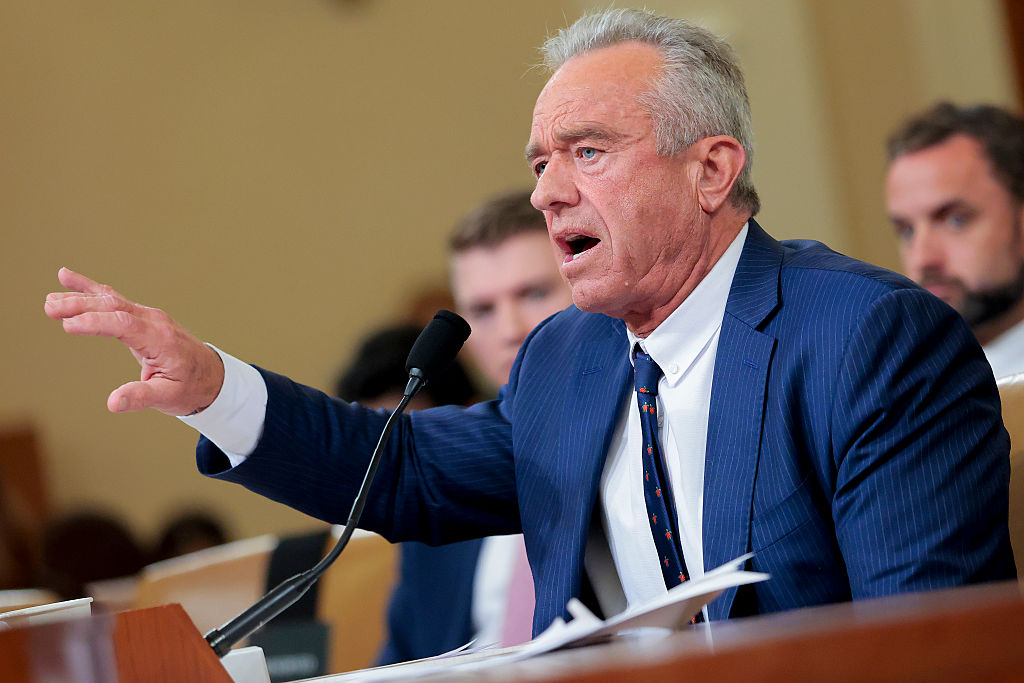
In a recent public discussion, Robert F. Kennedy Jr. made headlines for suggesting that Black children need to be ‘re-parented’ due to high rates of ADHD diagnoses and medication use within the community. This statement, laden with stereotypes and assumptions, not only undermines the complex realities faced by Black families but also serves as a glaring reminder of the need for more nuanced conversations around race and health in America. It’s an alarming yet familiar narrative, echoing the misguided perceptions that often come from those who are detached from the lived experiences of marginalized communities.
Let’s be clear: the implications of Kennedy’s comments extend beyond just the surface. They reflect a broader trend of white nationalism creeping into discussions about health and welfare, questioning the competence of Black parents while ignoring systemic issues that contribute to disparities in mental health diagnoses and access to care. The reality is that these conversations are often dominated by individuals who have little understanding of the social, economic, and historical contexts that shape Black lives. It’s frustrating to see how health policies can sometimes bypass the voices that should lead them, leaving communities to grapple with solutions that don’t really address their needs.
Kennedy’s remarks come at a time when discussions around mental health and medication are more critical than ever. The stigma surrounding ADHD in Black children, coupled with underdiagnosis and misdiagnosis, paints a complex picture. Instead of offering insight or support, Kennedy’s words felt more like an attempt to place blame on parents rather than acknowledging the systemic barriers they face. ADHD is not simply a matter of parenting; it reflects broader societal failings that impact education, healthcare, and economic stability.
In a nation where a federal administration filled with figures who often sidestep the significance of race in policy is in power, we must remain vigilant. It’s imperative that Black voices are uplifted in discussions concerning health, education, and well-being. The conversation should move away from harmful stereotypes and towards a collective understanding that respects and values the perspectives of the communities most affected. As we navigate these complex issues, let’s ensure that we aren’t just talking about Black children, but listening to them—and their families—too.
About The Author