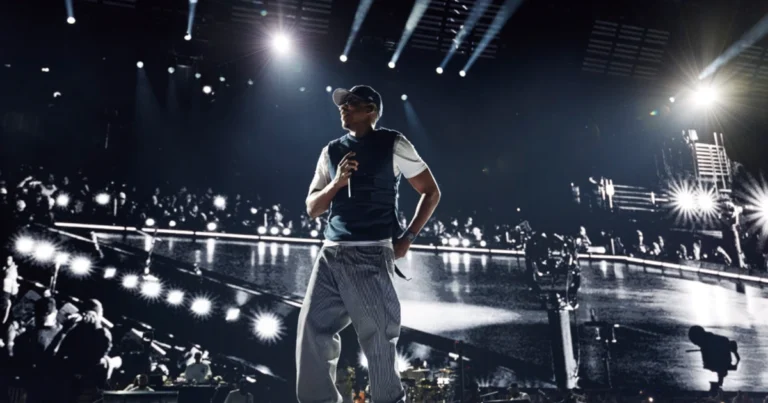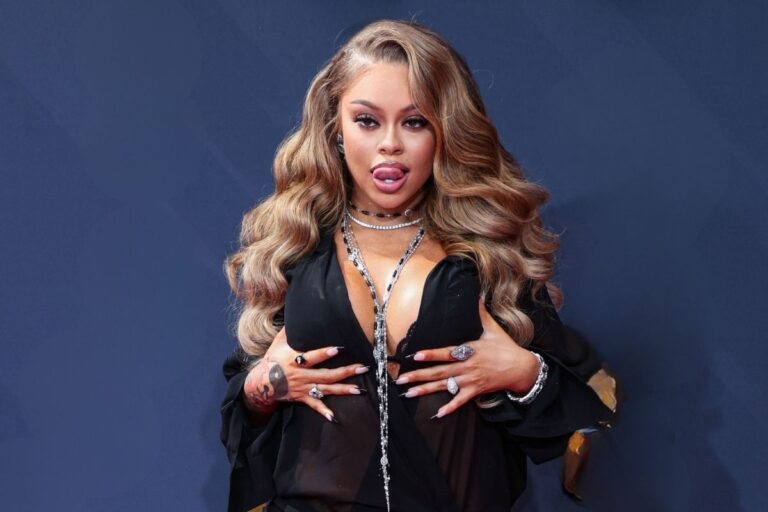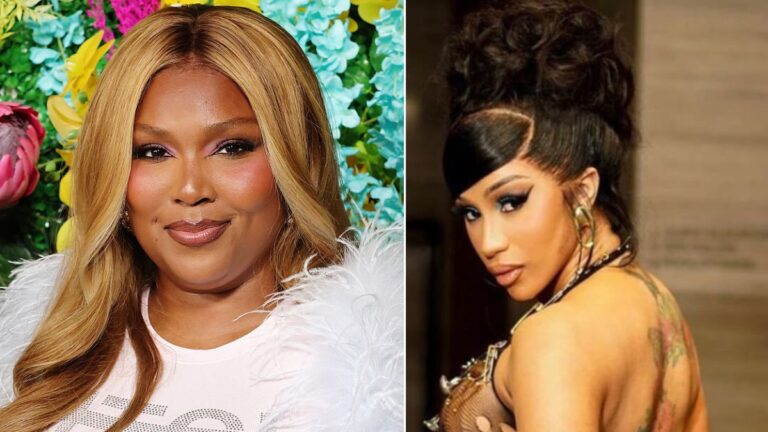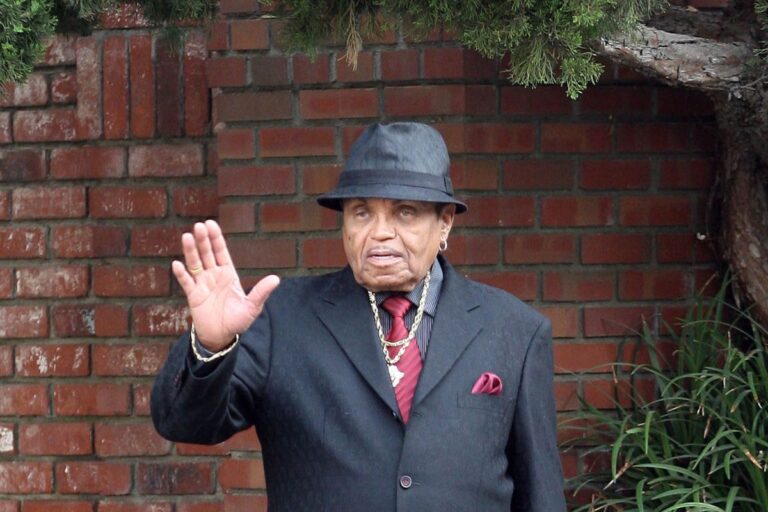
The Rock & Roll Hall of Fame Class of 2026 has set the stage for a pivotal moment in music history, with the inclusion of iconic figures like Wu-Tang Clan and Queen Latifah. This year’s lineup reflects a powerful acknowledgment of hip-hop’s undeniable influence on the music scene, but it also raises eyebrows as it conspicuously omits some of the biggest names in the industry. Fans and critics alike are questioning the exclusion of pop and R&B legends such as Mariah Carey and Lauryn Hill, whose contributions have shaped not just their genres, but the entire landscape of popular music.
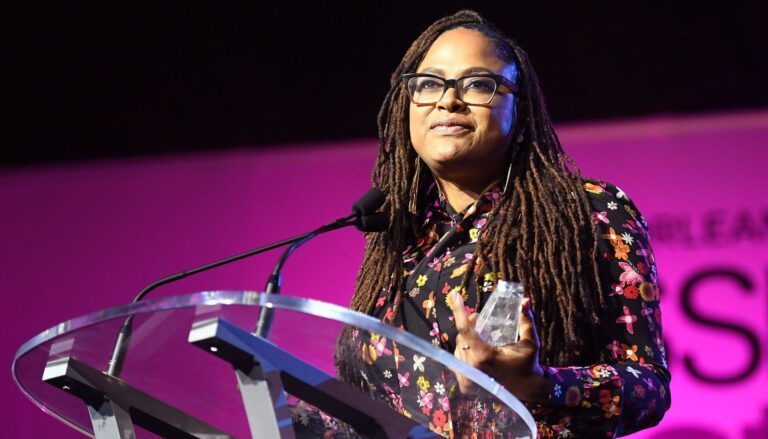
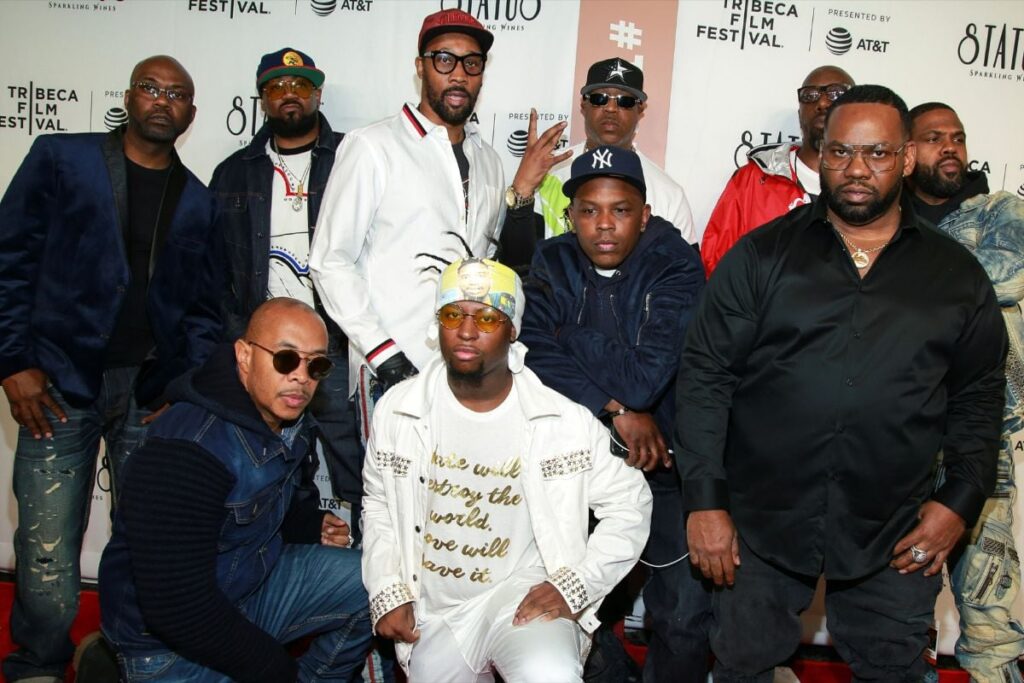
Wu-Tang Clan’s induction is a triumphant nod to the artistry and cultural significance of the group that revolutionized hip-hop in the ’90s. Their innovative sound, lyrical depth, and the communal spirit of their music continue to resonate with fans old and new. Likewise, Queen Latifah’s inclusion celebrates her multifaceted career as a rapper, actress, and producer, highlighting her role as a pioneer for women in hip-hop.
Yet, the absence of Mariah Carey’s name is particularly striking. With her chart-topping hits and vocal prowess, Carey is not just a pop icon but a musical institution. Similarly, Lauryn Hill’s impact on both hip-hop and soul with her groundbreaking album “The Miseducation of Lauryn Hill” marked a seismic shift in music, making her omission all the more perplexing. Both artists have left indelible marks on the industry, and fans are left lamenting what seems to be an oversight by the Hall.
This year’s nominations have sparked discussions about representation and recognition within the Rock Hall. Are they overlooking artists who blurred the lines between genres? The conversation surrounding these omissions emphasizes a larger cultural dialogue on how history remembers artists of color and the contributions they’ve made. With debates heating up on social media and in music circles, the stakes are high as fans rally for recognition of the artists who paved the way.
As the Rock & Roll Hall of Fame continues to evolve, it’s clear that the legacy of hip-hop is finally being acknowledged, yet the conversation about who is deserving of that honor remains contentious. Will future classes rectify these omissions, or will we continue to witness a disconnect between the Hall’s selections and the cultural significance of black artists? One thing is certain: the music community will keep pushing for the respect and recognition that these legends so rightly deserve.
In a world where musical genres often meld and intertwine, it’s essential to remember that the story of music is incomplete without the contributions of artists like Mariah and Lauryn. The Hall’s decisions will undoubtedly influence how future generations perceive the history of American music, sparking debates that are likely to endure well beyond the 2026 class announcement.
About The Author