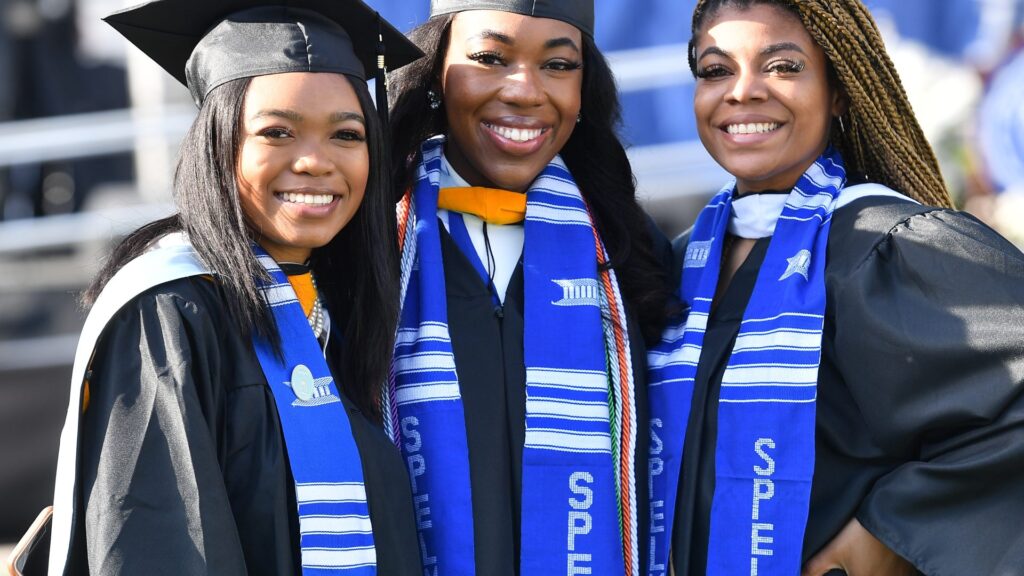
Spelman, thy name we praise. The mere mention of Spelman College commands attention. Founded in 1881, the Georgia liberal arts college is universally recognized as the premiere institution of higher learning for Black women. However, the recent decision to honor two students as co-queens for the school’s annual Miss Spelman Pageant has ignited a firestorm of debate among students and alumnae alike. While some celebrate the inclusivity of this decision, others feel it undermines the traditional values of competition and excellence that Spelman has long championed.
This year’s co-queen decision has sparked conversations that extend far beyond the pages of a pageant program. Critics argue that the title of Miss Spelman holds a special historic significance, one that embodies the strength, leadership, and individuality of each woman who has held it. By bestowing the title on two queens, they worry that Spelman risks diluting its legacy and the individual accomplishments of its students. On the flip side, supporters believe that co-queens represent a modern, inclusive approach to leadership, one that reflects our growing understanding of gender and identity.
Current students have taken to social media to express their views, while alumnae from various decades have weighed in with nostalgic perspectives rooted in their Spelman experiences. The tension illustrates a deeper rift that runs through many institutions of higher learning today: how do we balance tradition with progress? Many alumnae reflect fondly on their time competing for the title, asserting that the pageant propelled their leadership journeys, while others see this shift as a necessary evolution amid changing societal views.
As Spelman navigates this controversy, the college stands at a crossroads between honoring its rich legacy and embracing a future that includes diverse identities and experiences. The outcry surrounding the co-queen decision serves as a reminder that the conversation about Black womanhood is complex and multifaceted, and that every voice deserves to be heard. In a world where the clarion call for inclusivity resonates louder than ever, Spelman’s journey reflects the broader cultural shifts we are witnessing in our communities, whether they be in the classroom, the boardroom, or beyond. Ultimately, the outcome of this debate may not only impact Spelman’s tradition but also shape how institutions of higher learning approach representation in the years to come.
About The Author