In a pivotal decision that echoes across the landscape of American politics, the Supreme Court recently ruled on Louisiana’s congressional map, drawing attention from both sides of the political aisle. The case arose after a lower court’s ruling suggested that Louisiana’s prior map, which only afforded representation to one majority-Black district, likely violated Section 2 of the Voting Rights Act (VRA) by diluting the voting power of Black citizens. In response, the state produced a new map, SB8, which added a second majority-Black district. However, this change was met with a challenge from white voters who argued that this map was unconstitutional.
The implications of this ruling are substantial, as it sets a precedent that could affect similar cases across the nation. Observers are concerned that the Supreme Court’s stance may weaken the protections afforded under the Voting Rights Act, a landmark piece of legislation designed to ensure that all Americans, regardless of race, have equal access to the ballot box. This is not just a legal battle; it’s a cultural and political one, raising questions about representation and the ongoing struggle for civil rights in America.
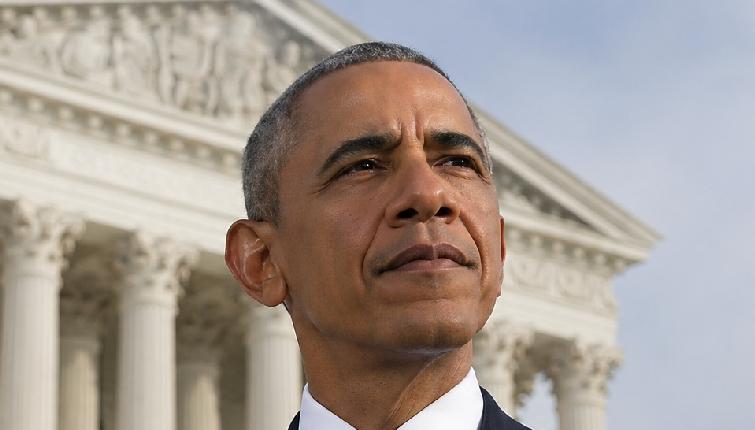
Prominent figures from both sides of the political spectrum voiced their opinions on the matter. Former President Barack Obama emphasized the importance of ensuring fair representation for all communities, urging citizens to remain vigilant and engaged in the fight for equitable voting rights. In contrast, former President Donald Trump praised the ruling, claiming it upheld the Constitution and the rights of all voters. This dichotomy in responses highlights the ongoing national debate surrounding voting rights and race relations.
As we navigate these complex issues, it’s essential to recognize the larger context of this case. The fight for voting rights is far from over, and the outcome of this ruling will resonate in upcoming elections, urban centers, and rural communities alike. It serves as a reminder that while progress has been made, the struggle for equality and justice continues, and every voice must be heard in the halls of power.
About The Author