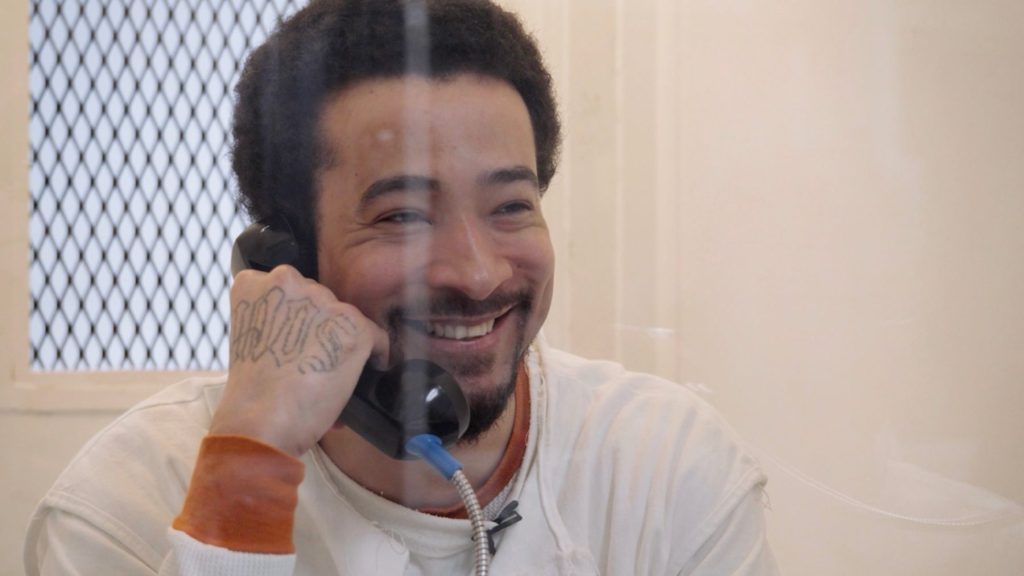
In a chilling twist of justice, James Broadnax is facing a death sentence in Texas, a fate shaped not just by evidence presented at trial but largely by the bullets of his own artistic expression. Prosecutors leaned on rap lyrics that had never seen the courtroom, painting him as a violent figure simply because his words echoed the realities of a life entwined with struggle. This raises profound questions about the intersection of art, identity, and justice in America, particularly for Black artists whose work often reflects the raw and unfiltered essence of their environments.
Broadnax’s case exemplifies how the criminal justice system can weaponize creativity, turning a form of self-expression into evidence of guilt. It’s a narrative familiar to many in the hip-hop community, where the lines between art and life can be perilously blurry. The notion that someone should be held accountable for their artistic musings, especially when those musings are rooted in lived experiences, fuels a broader conversation about freedom of speech and the ways society interprets cultural expression. In a world where the stakes are life and death, Broadnax’s story becomes a grim reminder of the power dynamics at play.
As we look toward the April 30 execution date, we are left grappling with whether Texas Governor Greg Abbott will intervene, providing a lifeline against a verdict steeped in artistic interpretation rather than tangible evidence. The implications of this case extend beyond Broadnax himself; they resonate deeply within the cultural fabric of Black America, challenging us to reconsider how we honor and protect the voices that emerge from our communities. The fear of misrepresentation hangs heavy, as artists like Broadnax find themselves trapped in a system that too often criminalizes their truth.
In a nation that prides itself on the freedom of expression, the specter of capital punishment looms large over those whose art reflects the harsh realities of their lives. The urgency to advocate for justice is amplified as we watch a man’s fate teeter on the edge of a cruelly interpreted verse. As the hip-hop community rallies to amplify Broadnax’s plight, we are reminded that art is not merely an outlet; it’s a lifeline, and when it leads to such dire consequences, we must take a stand. This is not just about one man’s lyrics; it’s about the systemic failures that allow art to be twisted into a tool of execution.
About The Author