By Andre Coleman, PowerVault Staff
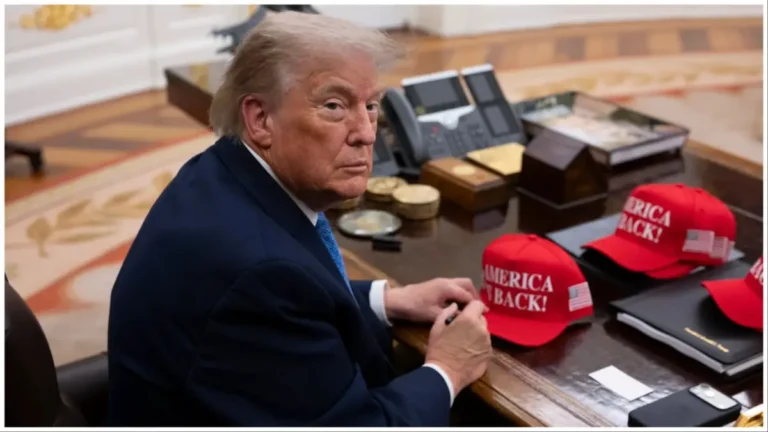
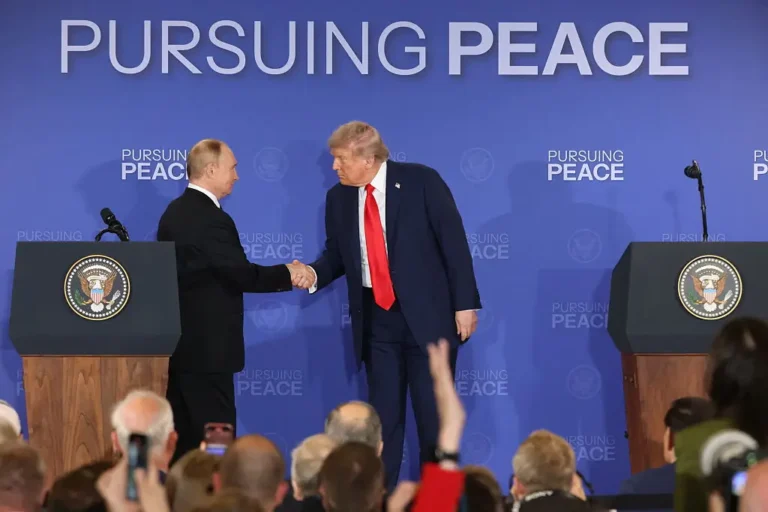
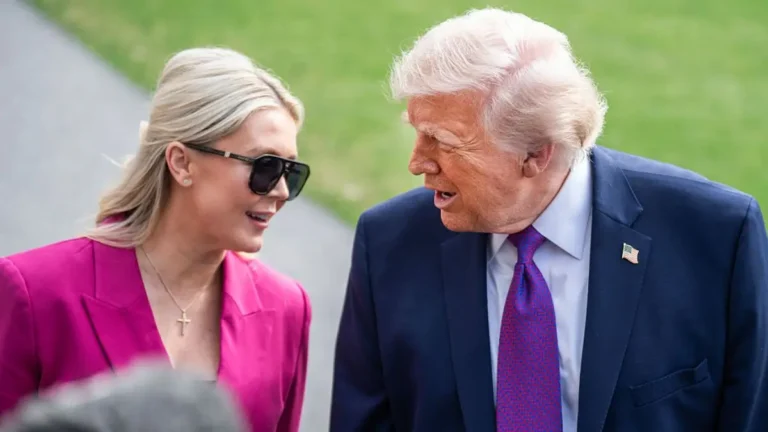
In a recent press conference rife with tension, President Donald Trump found himself corrected on a crucial point regarding international relations, only to respond with attitude and dismissiveness. The gravity of the situation, given the backdrop of an unfolding war, seemed lost on him as he stumbled into yet another embarrassing faux pas. This moment, where decorum and competence were expected, illuminates not just the president’s shortcomings but a profound concern about leadership in our society.
To understand the magnitude of Trump’s blunders, we must revisit the context of his presidency. In an era characterized by escalating global tensions and domestic disunity, leaders are expected to provide clarity and confidence. Yet, here we are, witnessing a president who appears unfazed by the factual errors he makes, seemingly more invested in ego than in the vital matters at hand. His dismissal of the correction serves as a microcosm of a broader trend we’ve seen throughout his administration: a shocking disregard for facts and a penchant for bravado that leaves much to be desired.
The implications of this moment resonate deeply within our communities. As we continue to navigate our own challenges—be it systemic racism, economic disparities, or social injustice—leadership demands a certain level of authenticity and responsibility. We need figures who can articulate our struggles and hope with clarity and sincerity. Instead, Trump’s antics reflect a brand of leadership that is undercutting the very essence of what it means to represent the people. The disconnect is alarming; it’s as if he is playing a role in a reality show rather than guiding a nation through real-life crises.
This isn’t the first time we’ve witnessed a leader falter at a critical juncture. Historical parallels can be drawn to past leaders who faced monumental pressures but ultimately rose to the occasion—think of President Obama during the Great Recession or even leaders during the Civil Rights Movement who had the weight of a generation on their shoulders. Those leaders, unlike Trump, were defined by their ability to connect with the public in moments of uncertainty, embodying the hope and resilience of their constituents. This contrast further highlights the current administration’s failures.
As we look forward, the question remains: what will it take for authenticity and accountability to return to the forefront of leadership? The upcoming elections will undoubtedly be a crucible for potential candidates, providing a platform for those willing to break from the cycle of performative politics. The political landscape is shifting, and as a community, we must keep a keen eye on those who not only speak to us but also listen and learn from our collective experiences. Ultimately, the standard for leadership should be rooted in humility, integrity, and a deep commitment to serving the people—qualities that many of us are yearning for in these tumultuous times.
About The Author