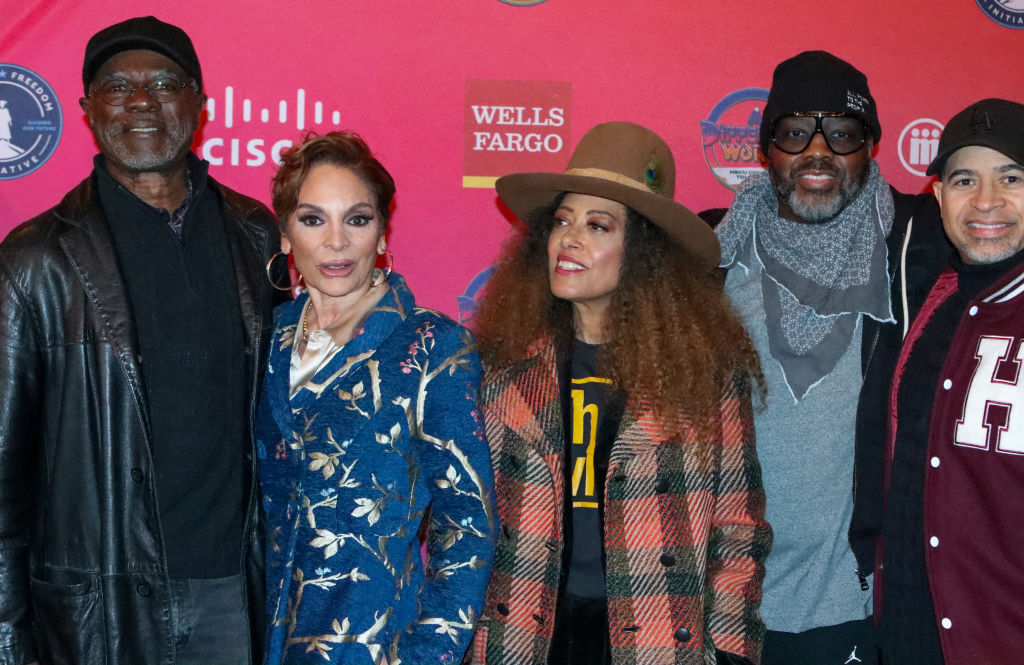
The buzz surrounding the proposed sequel of ‘A Different World’ has both fans and critics weighing in, and BOSSIP and Cassius recently took a trip to Hillman College to discuss the show’s potential revival on Netflix. As the iconic series, which originally aired from 1987 to 1993, captured the essence of Black college life, its modern update raises mixed emotions among longtime viewers. For many, the original show was a cultural touchstone—highlighting the trials and triumphs of young Black adults navigating academia while blending humor and important social commentary.
During their visit, the conversation illuminated the expertise of the creative team behind the sequel, as they expressed their commitment to honor the legacy of the original series. The panel reflected on how the new iteration aims to stay relevant to today’s audiences while retaining the charm and wit that made ‘A Different World’ a classic. This balance is essential, as many feel a responsibility to ensure that the cultural nuances and experiences that resonated so strongly with viewers in the ’80s and ’90s do not get lost in translation.
While some skeptics worry that a sequel might dilute the original’s impact, others believe that revisiting those familiar characters in a contemporary setting can provide fresh narratives that resonate with current social issues. The essence of youth culture, especially within the Black experience, has evolved, and a new generation deserves a chance to see their stories reflected on screen, just as those who came before them did.
Ultimately, the consensus among the participants was clear: a revival isn’t just a nostalgic trip down memory lane—it’s an opportunity for growth, dialogue, and representation. As the entertainment industry continues to grapple with the complexities of race and identity, a well-crafted sequel to ‘A Different World’ could serve as a much-needed lens through which to explore today’s societal challenges, all while preserving the humor and heart that endeared the original to its fans. In this way, the revival isn’t merely wanted; it’s essential for the fabric of Black storytelling in Hollywood today.
About The Author