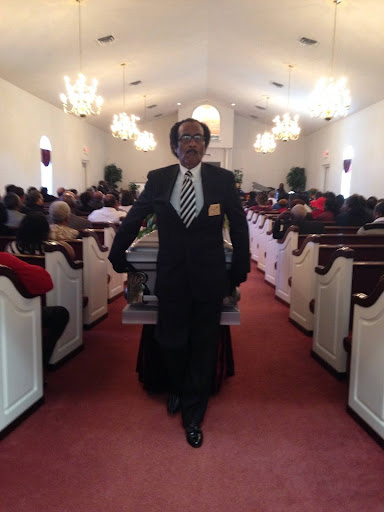
In the heart of the South, where the rhythms of life and death intertwine, Black funeral homes stand as resilient pillars of community, rooted in tradition and the enduring legacy of care. These spaces are more than just places to say goodbye; they are sanctuaries that echo the rich cultural practices of a people who have historically navigated the complexities of grief with grace and dignity. After the agonizing period of slavery, when the lives of Black people were often reduced to mere commodities, these establishments emerged as vital centers for honoring the deceased, preserving rituals that speak to the very soul of Black identity.
However, the reality today is starkly complicated. The funeral industry, much like many sectors of American life, is marred by systemic inequalities that disproportionately affect Black families. In a culture where death often comes too soon due to a myriad of social and economic factors, the burden of funeral costs can be overwhelming. While the traditions of a proper ‘homegoing’ ceremony are cherished, many families find themselves grappling with exorbitant prices, exacerbated by the ongoing struggles against poverty that plague communities. This stark financial reality forces families to navigate a treacherous minefield where the dignity of a farewell is frequently weighed against the harshness of economic survival.
As we delve deeper into these funeral homes, we uncover the intersection of tradition and profit. Some establishments are managed by families who understand the profound responsibility they bear, employing practices that honor ancestral customs while also providing a vital service to their communities. Yet, the lure of profit can tempt even the most well-intentioned providers into compromising their ethical foundations. The stark contrast between maintaining cultural integrity and facing the pressures of a capitalist system creates a complex dynamic, leading to difficult choices about how to balance service with sustainability.
The narrative of Black funeral homes is a reflection of broader societal issues. As we continue to confront systemic racism and economic disparity, it becomes crucial to understand the role these establishments play in the lives of Black families. They are not merely businesses; they are communal lifelines, providing solace in times of need while upholding traditions that connect generations. As we honor those who have passed, it is essential to also advocate for a system that respects the dignity of Black lives, both in life and in death.
In acknowledging the cost of dying while Black, we must also celebrate the resilience of those who refuse to let their traditions be overshadowed by economic hardship. These funeral homes are more than sites of mourning; they are testaments to a community’s strength and resolve, navigating the complexities of loss while striving to ensure that every goodbye is as beautiful as the lives that preceded them. As we reflect on these stories, we are reminded that in the tapestry of Black culture, even in death, there is a vibrant, unyielding thread of honor, love, and remembrance that binds us together.
About The Author