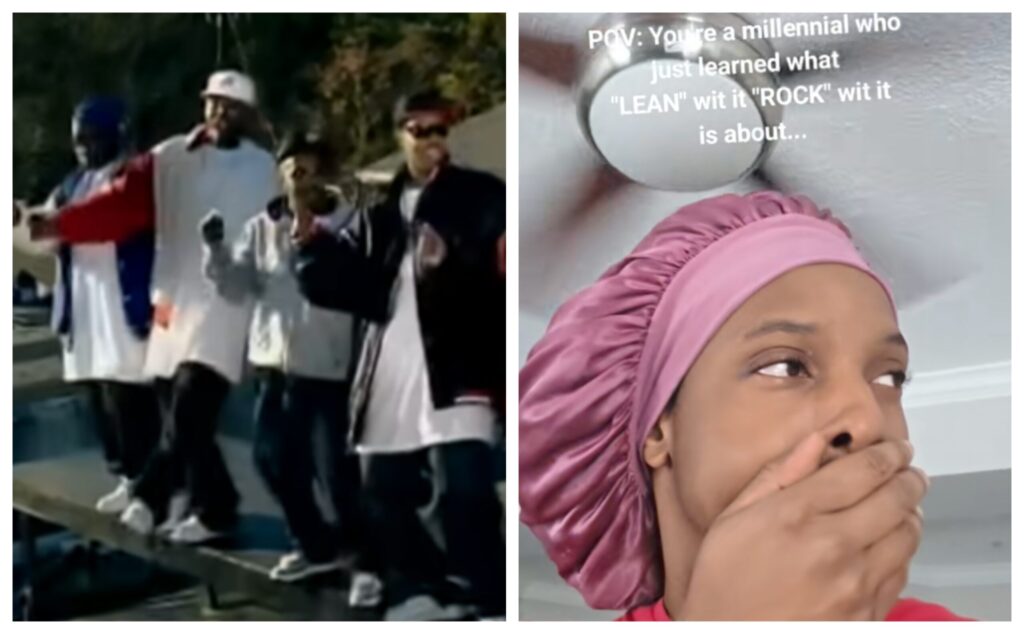
The nostalgia surrounding the anthem “Lean Wit It, Rock Wit It” has been reignited with a recent revelation about its true meaning. Originally released in 2006 by the the Atlanta-based group Dem Franchize Boyz, the catchy song has long been a staple at parties and gatherings, driving countless people to the dance floor. However, as fans across social media digest the new insight, many are grappling with a sense of disbelief and confusion.
In a surprising twist, it turns out that the lyrics carry a deeper significance that some Black folks are struggling to accept. The song’s founding message wasn’t just to encourage a carefree dance vibe; it also encapsulates the complexities of survival in a world where communal joy can often be overshadowed by the harsh realities of life. With this context emerging, many listeners are confronted with the idea that this beloved bop has historical resonance that goes far beyond its catchy hook.
For many, the revelation feels like a betrayal of sorts. How could such a lively tune have roots that intertwine with the struggles and resilience of the Black community? The dance, which once felt like pure escapism, now feels loaded with an unexpected weight that complicates its enjoyment. While some are embracing this newfound understanding as part of the evolution of Black music, others feel that it tarnishes the carefree spirit the song encapsulated for nearly two decades.
The ongoing discourse surrounding the song highlights a broader conversation about how art reflects life, particularly within the Black experience. It serves as a reminder that even the most upbeat anthems can carry underlying narratives that deserve exploration. As we navigate these revelations, it’s essential to recognize that our cultural expressions are often multifaceted, blending joy, sorrow, and everything in between.
As social media continues to pulse with reactions, the legacy of “Lean Wit It, Rock Wit It” evolves, prompting both celebration and critical reflection in equal measure. Whether you dance to it with the same vigor or with a sense of newfound awareness, the conversation it sparks is undeniably important. This moment serves as a testament to the depth of Black art and the ongoing journey of understanding our narratives in the music we love.
About The Author