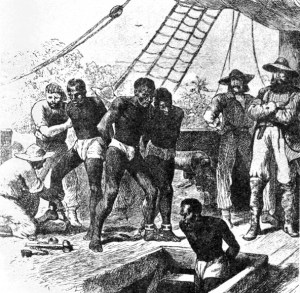
In a monumental step toward global acknowledgment of historical injustices, the United Nations has passed a resolution declaring the transatlantic slave trade as “the gravest crime against humanity.” This landmark vote was championed by Ghana’s president, John Mahama, who passionately rallied the international community to confront the lingering scars of this dark chapter in human history. The resolution holds significant weight, shining a light on the painful legacy that has shaped the Black experience and the socio-political landscape of many nations today.
The decision comes at a crucial moment when conversations surrounding race, reparations, and historical accountability are more prominent than ever. It resonates deeply with the sentiments of African nations, many of which are still grappling with the repercussions of colonialism and systemic racism. By recognizing the transatlantic slave trade as a crime against humanity, the UN not only honors the memory of millions who suffered under this brutal system but also propels the dialogue toward greater healing and restitution. Across the continent, reactions have been overwhelmingly positive, with leaders and citizens alike embracing the resolution as a vital step toward justice.
This recognition marks a pivotal moment in the ongoing struggle for racial equality and justice worldwide. It calls into question the narratives that have often been sanitized or ignored, demanding that we confront the truths of our past with honesty and courage. As we reflect on the generations lost and the cultural erasure that accompanied this trade, the UN’s resolution serves as a clarion call for future generations to remain vigilant in the fight against all forms of oppression.
In a world where the echoes of history continue to shape present realities, this resolution provides a framework for nations to grapple with their pasts. It lays groundwork for discussions on reparations and systemic change, emphasizing that acknowledging the wrongs of history is integral to fostering a more equitable future. As we commemorate this significant moment, let us remember that the fight for justice does not end with recognition; it must be accompanied by actionable steps toward healing and reparative justice for those affected by this abhorrent crime against humanity.
About The Author