By Jasmine Reed, PowerVault Staff
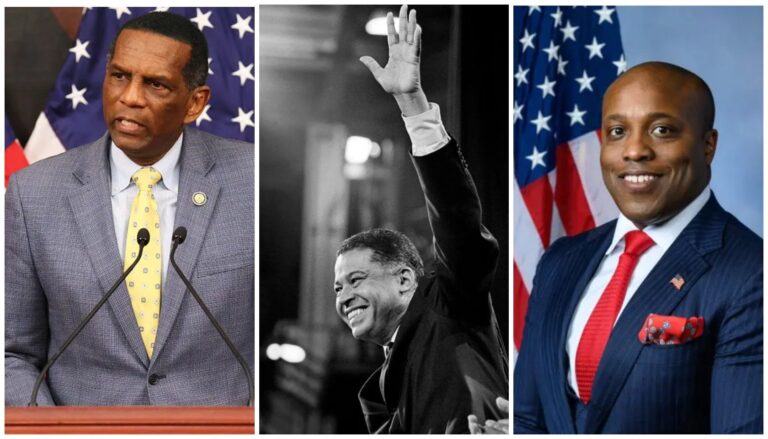
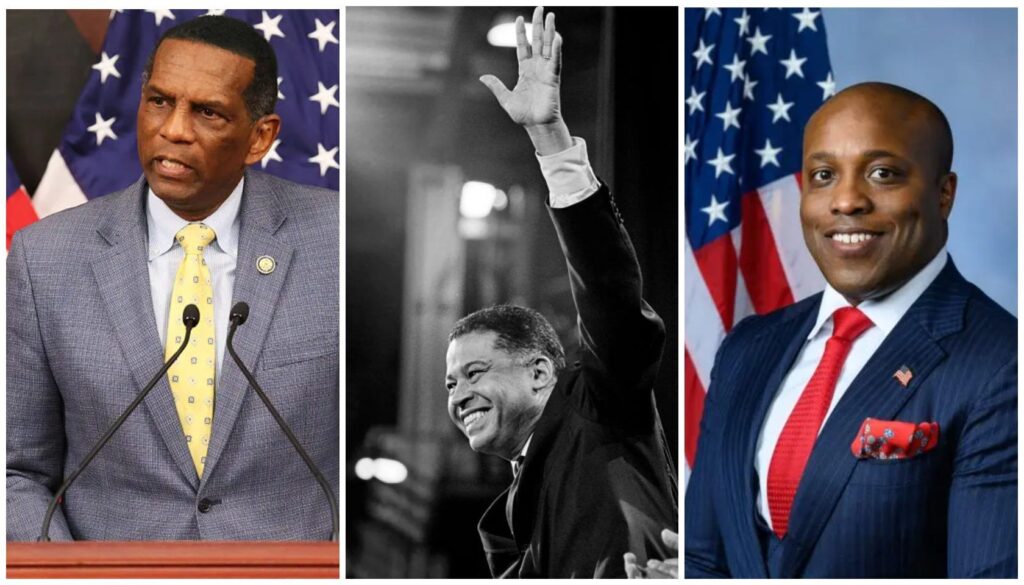
The recent discussion surrounding Black GOP leaders shines a glaring spotlight on the Republican Party’s complex and often tumultuous relationship with Black Americans. These leaders are not just figures in the party; they are embodiments of a history that stretches from the Reconstruction era to today’s ongoing debates about race, identity, and political allegiance. Their rise to prominence challenges the narrative that the GOP has relegated Black voices to the sidelines while raising crucial questions about representation, authenticity, and the future of political discourse in America.
To understand the significance of Black leaders within the GOP today, we must first acknowledge the historical context of Black political representation. From Hiram Revels, the first Black man elected to the U.S. Senate in 1870, to contemporary figures like Tim Scott and Nikki Haley, Black Republicans have existed at the intersection of race and politics. Historically, the GOP positioned itself as the party of emancipation and civil rights. However, that narrative has dramatically shifted, particularly in the past few decades, as the party has increasingly aligned with conservative ideologies that often contradict the interests of many in the Black community. This paradox highlights a critical tension: can Black individuals truly represent a party that, at times, appears to neglect the very struggles that define their community?
As we reflect on the implications of Black leadership within the Republican Party, it’s vital to consider what this means for the broader culture. The presence of Black GOP leaders serves as a reminder that the political landscape is not monolithic. However, their existence also raises vital questions about cultural authenticity and loyalty. Can someone advocate for a party that often perpetuates policies detrimental to their community? Navigating this terrain isn’t simply a political maneuver; it’s a reflection of the internal dialogues many Black Americans grapple with daily—questions of belonging, identity, and what it means to be both Black and politically engaged.
This conversation also draws parallels to the historical moment during the Civil Rights Movement when some Black leaders, like the late Congressman John Lewis, found themselves at odds with more conservative factions within the political sphere. At that time, the stakes were high, and the division was clear: fight for the rights of the oppressed or compromise for acceptance. Today, we see echoes of this dynamic, as Black leaders within the GOP face scrutiny not just from their constituents, but also from their peers advocating for social justice and equity. The choice they make can shape not only their careers but also the trajectory of the party itself.
Looking toward the future, the evolution of Black leadership within the GOP will be a critical narrative to follow. As the nation grapples with issues of race, representation, and political authenticity, the actions and choices made by these leaders will undoubtedly influence both their party and the Black community. Will they push for a more inclusive platform that resonates with the broader spectrum of Black voices, or will they continue to walk a perilous tightrope, caught between their party’s agenda and their community’s needs? One thing is certain—the conversation is far from over, and how these leaders navigate the complexities of their roles will have lasting implications for both the GOP and Black Americans alike.
About The Author