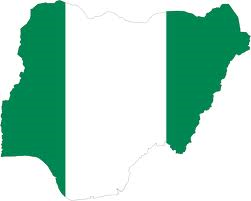
The World Bank recently made headlines, urging Nigeria to open its oil market for imports of premium motor spirit, a move that has sparked intense debate among policymakers and industry leaders. As Africa’s most populous nation grapples with its energy needs and the repercussions of global oil dynamics, the recommendation has been interpreted as a strategic push against the burgeoning influence of Dangote Refineries, one of the largest single-train refineries in the world. This call to action comes amid Nigeria’s ongoing struggles with fuel supply shortages and soaring costs, which have had a profound impact on the economy and the daily lives of its citizens.
The backdrop to this situation is complex. Nigeria is rich in crude oil reserves, yet mismanagement, corruption, and infrastructural deficiencies have hampered its potential as a leading energy player. The World Bank’s suggestion to allow increased imports is viewed by some as a necessary step to diversify supply and stabilize the market. However, it also raises questions about the reliance on foreign imports versus nurturing local production capabilities. For many, this isn’t just an economic issue; it’s a matter of national pride and sovereignty.
Critics of the World Bank’s stance argue that opening the market could undermine local refineries like Dangote, which have made significant investments to bolster Nigeria’s self-sufficiency in fuel production. They fear that a flood of imports could deter further investments in local refining capacity, ultimately making Nigeria dependent on outside sources for its fuel needs. This delicate balance between importation and local production poses a pivotal challenge for the Nigerian government.
As discussions unfold, the implications of these recommendations will resonate far beyond the boardrooms of policymakers. They reflect a broader narrative about Africa’s economic independence and the need for a sustainable energy strategy that empowers local industries while meeting the demands of a growing population. For a country like Nigeria, where energy poverty is a daily reality for many, the path forward will require careful navigation of both local ambitions and global pressures, ensuring that the benefits of any changes are felt by all Nigerians. While the World Bank presents a solution, it remains to be seen whether this direction aligns with the aspirations of the Nigerian people and the nation’s long-term vision for its energy future.
From The Source
About The Author