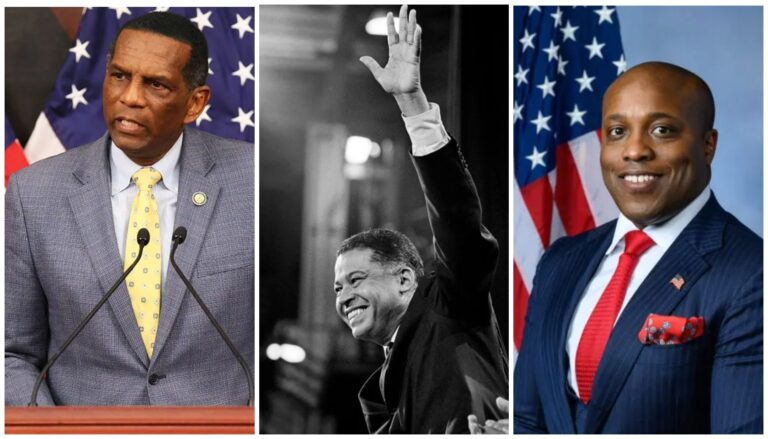
The journey of Black leaders within the Republican Party is a complex narrative woven through the fabric of American history. From the era of Reconstruction, when the GOP emerged as a champion of civil rights, to the contemporary challenges surrounding race and identity, the relationship between Black Americans and the GOP has undergone significant transformations. Notable figures like Frederick Douglass and Hiram Revels initially found refuge in the party, advocating for emancipation and civil liberties. However, as the political landscape shifted, the GOP’s commitment to those values appeared to wane, leading to a gradual estrangement of Black voters.
In the decades following the Civil Rights Movement, Black representation within the GOP became both a point of pride and controversy. Leaders like Colin Powell and Condoleezza Rice emerged as prominent figures, showcasing the potential for diversity within the party. Yet, their presence often sparked debates on authenticity and the ongoing struggle against systemic racism. As the national dialogue around race evolved, so did the criticisms aimed at the GOP, particularly around issues of voter suppression and immigration, which many felt disproportionately affected Black communities.
The party’s recent embrace of figures such as Tim Scott and Nikki Haley reflects an attempt to reclaim a narrative that resonates with Black Americans. However, this effort is not without its challenges. The GOP often grapples with perceptions of being out of touch with the needs and aspirations of the Black community. The backlash against certain policies and rhetoric from prominent party members has further complicated this relationship, leading many to question whether the GOP can genuinely advocate for Black interests while staying true to its conservative base.
As we reflect on the history of Black GOP leaders, it’s essential to understand that this relationship is not merely political; it is deeply personal. The stories of individuals who have navigated the intersection of race and party politics illuminate the broader struggles for representation and equity. Moving forward, the GOP faces a pivotal moment: will it openly acknowledge the systemic barriers that have historically marginalized Black voices, or will it continue to wrestle with its identity amid an ever-changing political landscape? The future of Black leadership within the party remains uncertain, yet the history is rich with lessons that are vital for shaping the path ahead.
From The Source
About The Author