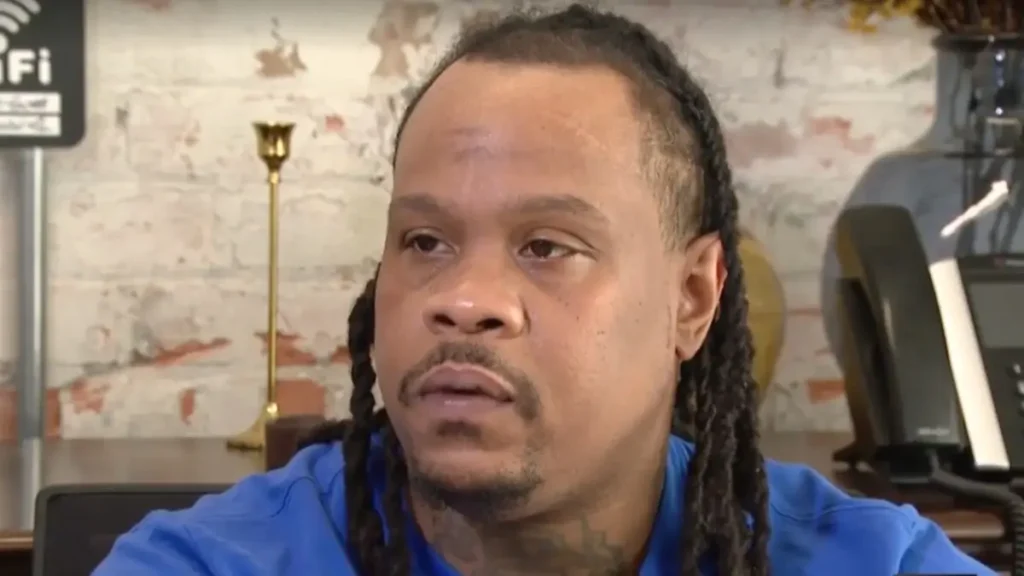
In a shocking case that exposes the systemic failures within the American prison healthcare system, a federal jury recently awarded a staggering $307 million to a former Michigan inmate who faced unimaginable suffering during his incarceration. The jury found that both a state prison health contractor and a doctor were culpable for violating his civil rights by denying him essential medical care. For two long years, this man endured the indignity of wearing a colostomy bag, a situation so dehumanizing that he later described it as being treated ‘like an animal.’ This verdict not only serves as a financial recompense for the pain and humiliation he suffered but also as a loud clarion call for reform in prison healthcare services.
The details of this case are heart-wrenching and raise serious questions about the treatment of inmates in the United States. The former inmate, who was diagnosed with a condition requiring surgical intervention, was repeatedly denied care while in custody. Instead of receiving the necessary medical attention, he was subjected to conditions that no human should have to endure, all while being held to a system that prioritized budgets over dignity and health. Such neglect illustrates a broader societal issue: the tendency to overlook the humanity of those behind bars, often treating them as mere numbers rather than individuals with rights and needs.
As we reflect on this verdict, it’s essential to consider the implications for the broader conversation surrounding prison reform. This case serves as a critical reminder that the narrative surrounding incarceration often glosses over the cruel realities faced by inmates, particularly those who require medical care. The repercussions of such neglect extend beyond the individual, affecting families and communities and perpetuating cycles of trauma and suffering. It’s a stark indictment of a system that fails to uphold basic human rights and the sanctity of life, regardless of a person’s past.
In awarding such a monumental sum, the jury has taken a stand against the negligence that permeates the correctional healthcare system. It sends a clear message: inmates deserve humane treatment and the right to adequate medical care. As we move forward, it’s imperative that we begin to see changes that prioritize the health and wellness of those incarcerated. The fight doesn’t end here; it is a call to action for advocates, policymakers, and society at large to ensure that no one else has to endure the same horrific treatment that this man faced. We must demand accountability and work towards a future where justice is truly served, not just behind bars but in the very framework that governs our justice system.
About The Author