By Tanya Brooks, PowerVault Staff
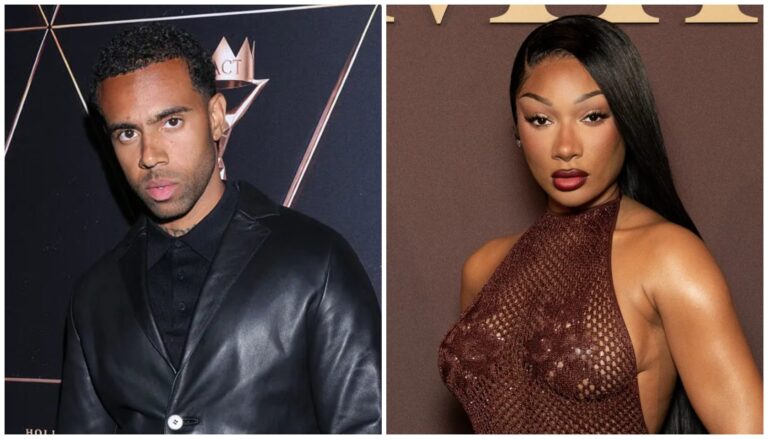
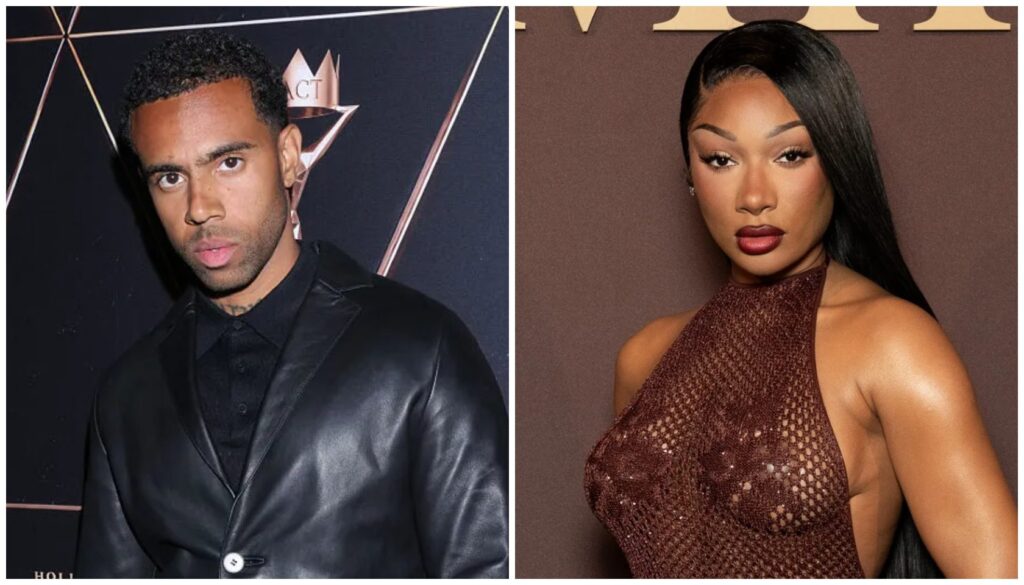
Vic Mensa has once again raised his voice in the ongoing conversation about the treatment of Black women, calling attention to Megan Thee Stallion as a ‘barometer test’ for how society responds to misogyny in the music industry. His remarks come on the heels of a poignant piece he wrote addressing the rampant sexism and violence that women, particularly Black women, face in the industry. Drawing from Megan’s harrowing experience after being shot, Mensa underscores the troubling reality that Black women are often subject to scrutiny, blame, and an unnerving amount of disrespect, even when they are the victims of violence.
This is not just a critique of the music industry; it is a reflection of a broader societal issue that has long plagued our communities. Megan Thee Stallion, a powerhouse in hip-hop with a voice that resonates far beyond her lyrics, has faced an avalanche of judgment and criticism following her traumatic experience. Instead of receiving the support and empathy that one would expect for a survivor, she has been met with skepticism and attacks, highlighting a pervasive culture that too often vilifies Black women rather than uplifts them. Vic’s words serve as a much-needed reminder that the treatment of Megan is not an isolated incident but rather a symptom of deeper, systemic misogyny that extends beyond the music scene.
The significance of Mensa’s commentary cannot be understated. In many ways, Megan’s experience serves as a litmus test for the industry and the culture at large. How we collectively respond to her pain and resilience is indicative of our values and our commitment to feminist principles. For too long, Black women’s narratives have been marginalized, and their suffering has been trivialized. Vic’s call to action challenges us to confront these uncomfortable truths and demands accountability from those who perpetuate the cycle of violence and disrespect. It is a clarion call for all of us to stand in solidarity with Black women, to listen to their experiences, and to affirm their worth.
Looking back at similar moments in history, we can draw parallels to the public reactions following incidents involving other notable figures, such as the treatment of R&B singer K. Michelle. After her own experiences with abuse and discrimination were exposed, she faced public ridicule and skepticism instead of the support she desperately needed. The music industry has often allowed misogynistic attitudes to fester, resulting in a culture that prioritizes the feelings of men over the safety and dignity of women. The time has come for this to change, and Vic’s analysis is a crucial step forward in that direction.
As we look ahead, the question remains: will the industry heed these calls for change, or will we continue to witness the same patterns of behavior? As listeners and consumers of hip-hop, it’s essential for us to amplify the voices of Black women and create a culture that demands accountability. The future of hip-hop depends on our collective willingness to challenge misogyny and uplift those who have been silenced for far too long. Megan Thee Stallion’s journey is just beginning, and it’s up to us to ensure that she is met with the respect and support she truly deserves.
About The Author