By Andre Coleman, PowerVault Staff
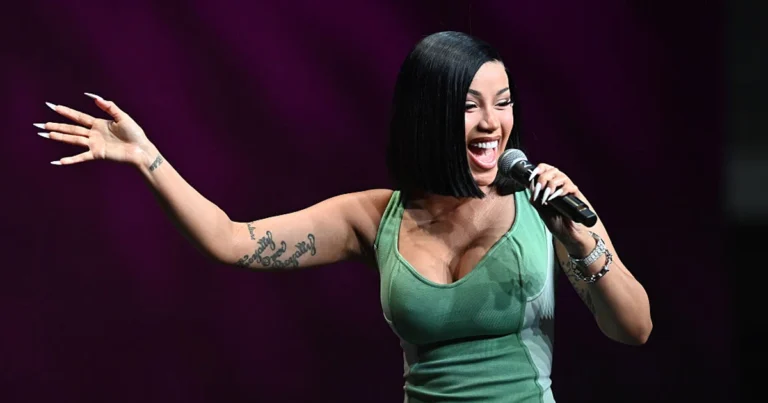
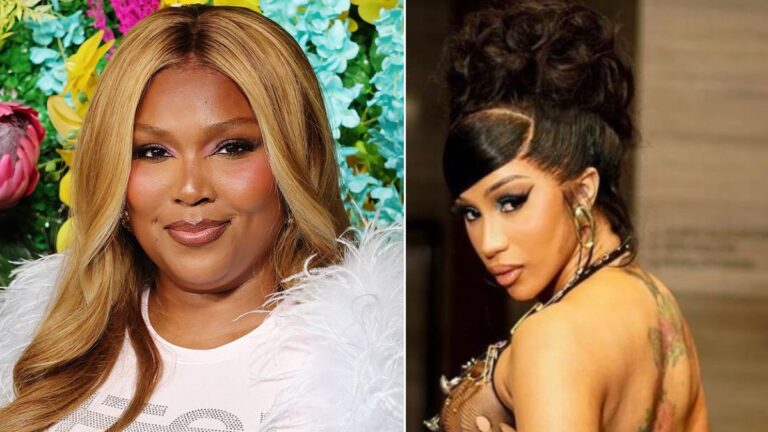
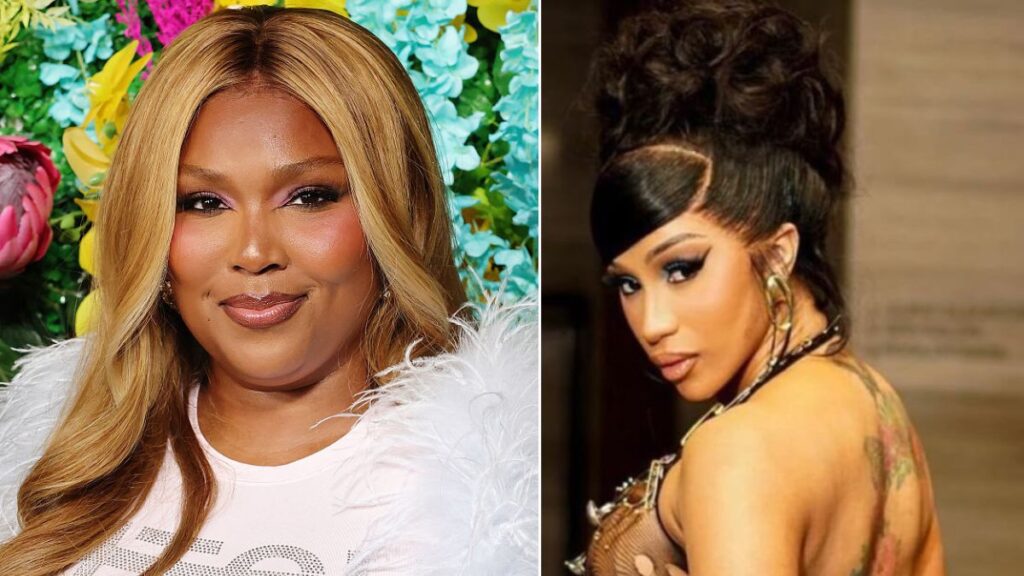
Lizzo is gearing up to release her new album, but instead of the excited buzz we might expect, the anticipation has been clouded by controversy. Fans have begun to notice striking similarities between her work and that of Cardi B, raising eyebrows and sparking conversations about originality, label influence, and the pitfalls of the music industry. As Lizzo attempts to carve out her next chapter, it seems the critics are less focused on her artistry and more on comparisons that could undermine her unique voice.
To fully grasp this situation, we need to take a moment to appreciate the context. Lizzo burst onto the scene with a refreshing blend of self-love, body positivity, and musical talent that redefined what a pop star could be, especially for Black women in a space often dominated by a narrow set of ideals. However, as she navigates the complex waters of fame, her artistry is now under the magnifying glass of fans who are quick to point out perceived missteps, particularly in relation to Cardi B, an artist who has dominated the charts with her unapologetic authenticity. This comparison is not merely a matter of musical style; it reflects a broader narrative about the pressures artists face from their labels to conform and replicate what is commercially successful.
Lizzo’s current predicament highlights the tug-of-war between artistic integrity and market demands. In a world driven by streaming numbers and social media trends, the pressure to create “hits” can overshadow the innovative spirit that artists like Lizzo initially brought to the table. This situation begs the question: how much control do artists truly have over their own narratives and the music they produce? The similarities between Lizzo and Cardi B could be seen as a lack of creativity, but they might also point to the systemic issues within the industry that push artists to mimic successful formulas to secure their place in a crowded market.
Looking back, we can draw parallels to moments like the backlash against artists such as Drake when he released songs that many felt were too derivative or uninspired. The music industry has a long history of artists being scrutinized for their originality, especially when they become popular. However, this scrutiny often falls disproportionately on Black artists, who face a unique set of challenges when it comes to defining their art in a way that resonates commercially while staying true to their roots. The comparisons to Cardi B might feel like a departure from Lizzo’s unique sound, but they also reflect a larger issue: the struggle for Black artists to maintain their authenticity amidst the clamor for marketable music.
As we look ahead, it’s crucial to monitor how this situation unfolds. Will Lizzo double down on her distinct style, or will she lean into the commercial formula that could compromise her artistry? The conversation around her album serves as a reminder that the music industry is not just about the art; it’s about the systems that shape it. As fans, we must advocate for artists to create freely, fostering an environment where originality is celebrated rather than stifled. Whatever happens next, the true measure of an artist’s legacy is not just in the commercial success they achieve but in the authenticity they bring to their work.
About The Author