By Tanya Brooks, PowerVault Staff
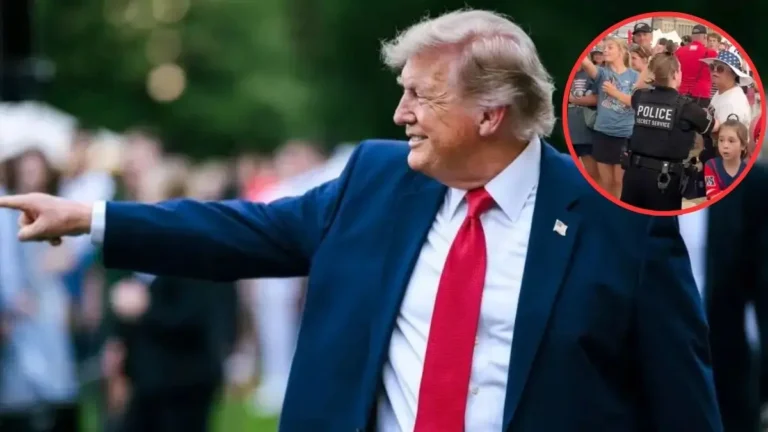
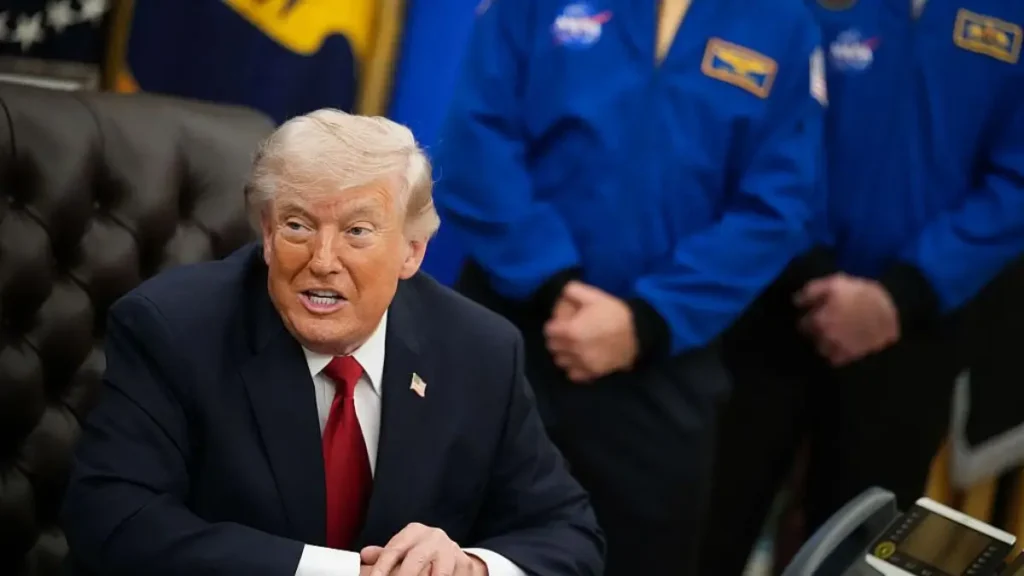
Recently, the world witnessed yet another spectacle from Donald Trump—this time on Independence Day, as he paraded NASA astronauts onstage in a manner that felt more like a show than a salute to achievement. Seemingly unable to remember their names or contributions, he used these highly trained professionals as mere props to bolstering his own narrative about America’s space future. In that moment, rather than celebrating the truth of human innovation and exploration, he turned a significant cultural milestone into a cringe-worthy display of ignorance and self-aggrandizement.
To understand the weight of this moment, we need to reflect on what the astronauts represent. These are men and women who have dedicated their lives to pushing the boundaries of human knowledge and exploration, often overcoming systemic barriers and biases in a field not historically welcoming to diversity. Their accomplishments tell stories of resilience and achievement that should be celebrated, but Trump’s onstage performance reduced them to a backdrop for his theatrical ambitions. It’s a vivid reminder of how culture and the narratives surrounding it can be manipulated for political gain, often at the expense of real people who deserve respect and recognition.
This moment resonates deeply within the Black community, especially as we navigate a socio-political landscape that often seeks to erase our contributions or package them neatly into palatable bites for mainstream consumption. When leaders turn to Black culture or achievements, it’s crucial to interrogate whether they are genuinely honoring these legacies or merely using them to bolster their image. The astronauts should symbolize America’s potential for greatness, yet they became part of a show highlighting the very opposite: a president more concerned with spectacle than substance.
This isn’t the first time we’ve seen leaders in power utilize figures from marginalized backgrounds as props. Recall the 2016 election when Trump’s campaign appropriated Black culture during rallies while neglecting to listen to the voice of the community. From calling for the ‘Leave it to Beaver’ America of the past to representing Black individuals as mere tokens, the narrative remains disturbingly similar. These moments serve as a reminder of how far removed many political leaders are from the communities they claim to represent.
Looking ahead, it’s essential for us to keep a watchful eye on the ways cultural narratives are shaped and reshaped by those in power. As we advocate for visibility in a society that often relegates our achievements to the shadows, we must ensure that we are the ones telling our stories—not letting them be turned into a sideshow. Ultimately, the future should hold a space for genuine celebration of Black excellence, not a stage where it’s used as a backdrop for someone else’s narrative. It’s time to reclaim our stories and assert our presence in a way that demands respect and dignity.
About The Author