By Renee Fontaine, PowerVault Staff
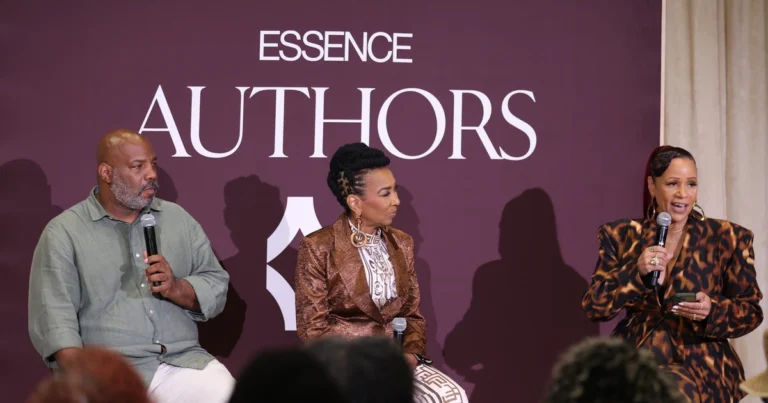
In the world of business, as in hip-hop, not every story is as glamorous as it first appears. Behind every chart-topping single or successful business launch, there’s a journey filled with setbacks, resilience, and sometimes a hard reset. That’s part of what makes the culture dynamic but also relatable. Kiara Imani Williams, co-founder of LikeU Cards, knows this all too well. Her recent experience with getting dropped by Target and facing public backlash has provided a reality check on the hustle culture and what it really means to be a successful mompreneur.
Target, a retail giant with the power to make or break emerging brands, recently axed the LikeU Cards, a unique line of educational flashcards aimed at celebrating diversity and promoting self-love among children. On the surface, it seemed like the perfect partnership—a Black-owned business aligning with a major retailer to bring cultural awareness to the masses. But the situation turned upside down when Target decided to pull the plug, igniting a firestorm of speculation and critique.
Williams’ story is one that resonates deeply within the Black community. Many entrepreneurs face similar challenges, often walking a tightrope between maintaining their cultural authenticity and scaling their businesses in spaces historically dominated by those who don’t look like us. In Williams’ case, the ending of her Target partnership could have been a devastating blow. However, it ushered in a period of reflection, allowing her to reassess what really matters in her business journey.
The hustle culture, often glorified as the ultimate path to success, is something Williams had to reconsider. For many Black entrepreneurs, the hustle is real, but it is also exhausting and sometimes unsustainable. The constant push to do more, be more, and achieve more can lead to burnout and even cause one to lose sight of the original mission. Williams’ decision to step back and let go of the hustle reflects a growing trend among entrepreneurs who are seeking a more balanced life.
Williams’ situation echoes some of the challenges faced by other cultural icons. Take Kanye West, for example. His decision to perform in Russia might raise eyebrows, but it also signifies a moment of breaking norms and expanding boundaries. Similarly, Williams’ shift from the hustle to a more balanced approach is a signal to other Black entrepreneurs that it’s okay to rewrite the rules of success to better suit personal health and happiness.
In the broader context of Black excellence and culture, Williams’ experience is a reminder that success doesn’t have to conform to a single narrative. Just as DiJonai Carrington’s rant in the WNBA resurfaced discussions on authenticity and representation, Williams is sparking a dialogue on what it means to stay true to oneself while carving out a space in mainstream markets.
Looking ahead, Williams’ journey offers several lessons for aspiring entrepreneurs. First, the importance of resilience—a quality that is often the only thing standing between success and failure. Secondly, the value of community support cannot be underestimated. As Williams navigates this challenging time, one can only hope that her story inspires others to prioritize mental health over relentless hustle and to seek partnerships that align with their core values.
For Black entrepreneurs and the culture at large, Williams’ story is a reminder that setbacks are not the end. They’re just another chapter in a larger narrative. As consumers and fans, we should continue to advocate for and support businesses that enrich our culture and represent our diverse experiences. In the long term, the lessons learned from Williams’ journey could very well change the way we approach business and success in our communities.
With more Black-owned businesses gaining recognition, there is an optimistic outlook for change. Williams may have let go of the hustle, but she hasn’t let go of the dream. The next chapter for LikeU Cards is yet to be written, and if there’s one thing the culture teaches us, it’s to watch this space. Because when we rise, we rise together.
About The Author