By Simone Walker, PowerVault Staff
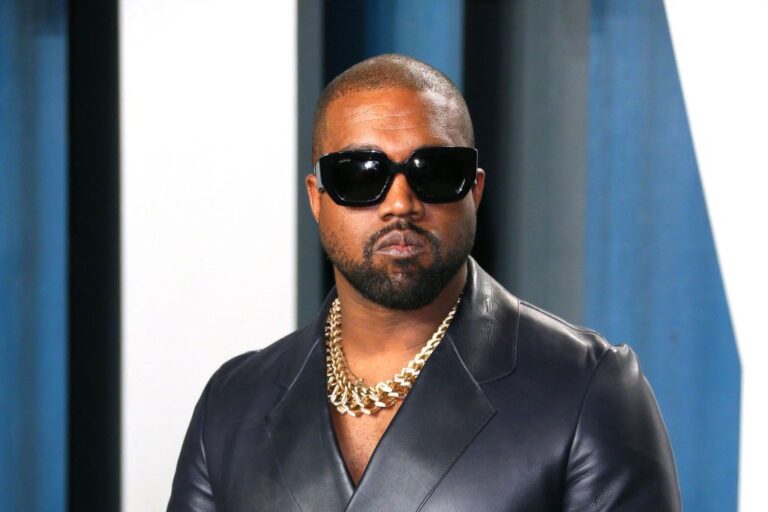
Picture this: a packed room at the Urban One Summit buzzing with energy, anticipation hanging in the air. Suddenly, the crowd is taken by surprise when Larry Jackson, co-founder of Gamma, dials up Kanye West, a man who needs no introduction. In true Ye fashion, Kanye doesn’t just say a few words; he drops a bombshell. According to Kanye, the term ‘bully’ holds more weight than his iconic albums ‘Graduation’ and ‘Watch The Throne.’ But why does this matter, and what does it mean for the culture?
Let’s not forget, hip-hop isn’t just music; it’s a movement, a voice for the voiceless. Over the decades, artists have used their platforms to address social issues, from racial inequality to personal struggles. Kanye’s assertion that ‘bully’ carries more significance than his celebrated albums might raise eyebrows, but it’s a reflection of the artist’s evolving perspective and the cultural landscape we’re navigating today.
Kanye West has always been more than just a rapper. He’s a provocateur, an innovator, an enigma. His earlier works like ‘Graduation’ and the collaborative masterpiece ‘Watch The Throne’ with Jay-Z, are cornerstones of hip-hop history. They symbolize triumph, creativity, and the heights hip-hop can reach. Now, Ye suggests that the concept of ‘bully’ is more impactful, which prompts us to explore its deeper meaning.
Bullying is not a new phenomenon. It’s a universal issue that transcends age, race, and socio-economic status. But in the context of hip-hop and Black culture, it takes on an added layer of complexity. From battling stereotypes to fighting for representation, the community has long been subjected to systemic and societal ‘bullying.’ Kanye’s comment could be a nod to these broader struggles, emphasizing the pervasive nature of bullying in various forms.
This isn’t the first time a hip-hop artist has used their platform to highlight societal issues. Think about Future’s influence on the genre. His albums have consistently been a reflection of personal and collective struggles, defining a new era of hip-hop. Artists like him have carved a niche by addressing real-world issues, creating music that resonates on a deeper level. Kanye’s recent remarks fit within this larger tradition of socially conscious rap that challenges listeners to look beyond the beats and bars.
Kanye’s comments also come at a time when the world is witnessing a resurgence of activism and awareness. Movements like the 2026 March on Washington are crucial for defending rights and pushing back against systemic ‘bullying’ of marginalized communities. In this light, Ye’s words could be seen as a call to action, urging us to recognize and confront the bullies in our own lives and societies.
The question remains: what does this mean for Kanye’s musical legacy? Are we seeing a shift from the celebrated musical genius to a more outspoken activist? Or is this another chapter in the complex narrative that is Kanye West? Only time will tell, but what is clear is that Kanye’s words continue to spark conversation and reflection within hip-hop and beyond.
Looking ahead, the conversation around bullying and its implications in our culture is likely to grow. Artists, creators, and communities will continue to use their voices to challenge injustice and champion change. As Kanye West reminds us, sometimes it’s the conversations that go beyond the music that hold the most significance. And just like that, we’re reminded that hip-hop is not just about beats and rhymes; it’s a powerful vehicle for change.
For those paying close attention, keep an eye on how this narrative unfolds. Will more artists echo Kanye’s sentiment? Will the industry take a stronger stance against bullying in all its forms? This moment matters because it highlights the power of words and the responsibility of those who wield them. As the conversation continues, remember to stay connected, stay informed, and always question what you hear because, in hip-hop, every word counts.
About The Author